
25 September 2026, 09:51
Loading...
Gas price falls towards this year's low. Stocks, however, lower than in the past two years

Martin Voříšek
22 July 2025, 06:14
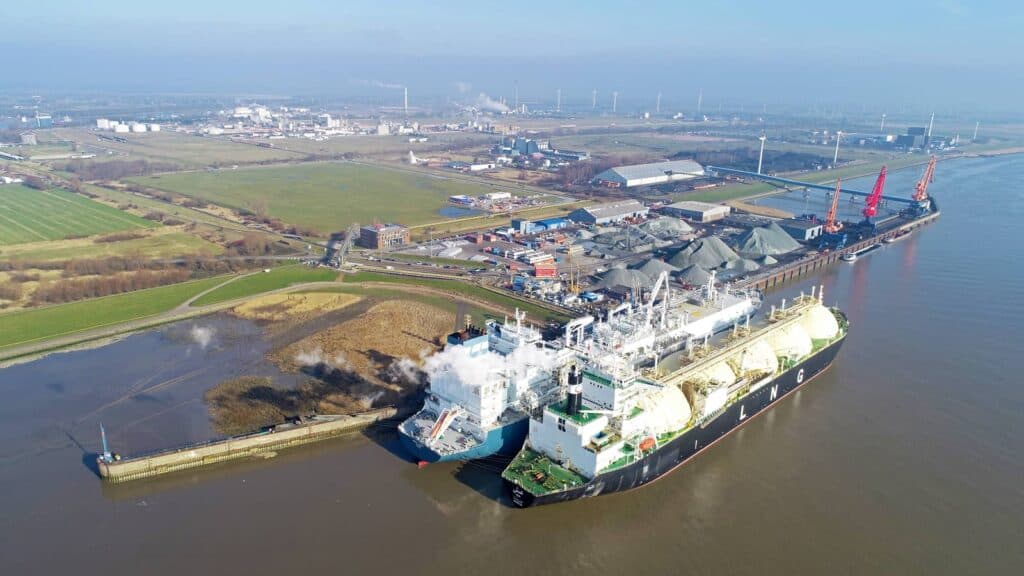
The price of natural gas on the European benchmark contract is at its lowest level in the past three weeks, according to the latest data from the TTF trading hub. Gas is currently trading at around 33 EUR/MWh. Higher gas supplies, both by pipeline and in liquefied form, have helped drive prices lower. However, gas storage facilities are still less full than in the past two years.
The price of natural gas for the following month on the benchmark contract has only exceptionally been lower than it is now this year. A MWh can currently be purchased on the wholesale market for around 33 EUR. Prices were lower only at the end of April and June. Current prices are approaching this year's low – the lowest price at which natural gas could be bought on the exchange this year was around 31 EUR/MWh.
The main reason for the price decline is high gas supplies to Europe, both by tankers in liquefied form and via pipelines, according to Bloomberg. Supplies of gas in liquefied form have been at record levels in recent months. In every month this year from February to June, imports of liquefied natural gas into European terminals were the highest in history. July is also heading for a record, although data for this month are not yet complete.
Translation disclaimer
This article is a machine translation of the Czech original and has not yet been fully reviewed. In case of any doubt, please refer to the Czech version.
The article continues for subscribers
Premium content
The rest of this article is available to premium subscribers only. Get access to all premium articles on oEnergetice.cz.
Best value: annual subscription
Monthly option 4 € / month
3.25 €/ month
You might also like

24 September 2026, 11:23

24 September 2026, 10:30
24 September 2026, 06:56