
23 October 2026, 14:38
Loading...
GasNet inspects Czech gas pipelines with electric vehicles
oEnergetice.cz
9 June 2025, 10:14

The Czech Republic’s largest gas distributor, GasNet, has put its first electric vehicles for mobile gas pipeline inspections into full operation. By using this modern technology, GasNet is enhancing the safe operation of its network, which relies on regular and effective leak-tightness inspections. The electric detection vehicles can inspect up to 20 kilometres of gas pipelines a day, without emitting any exhaust fumes.
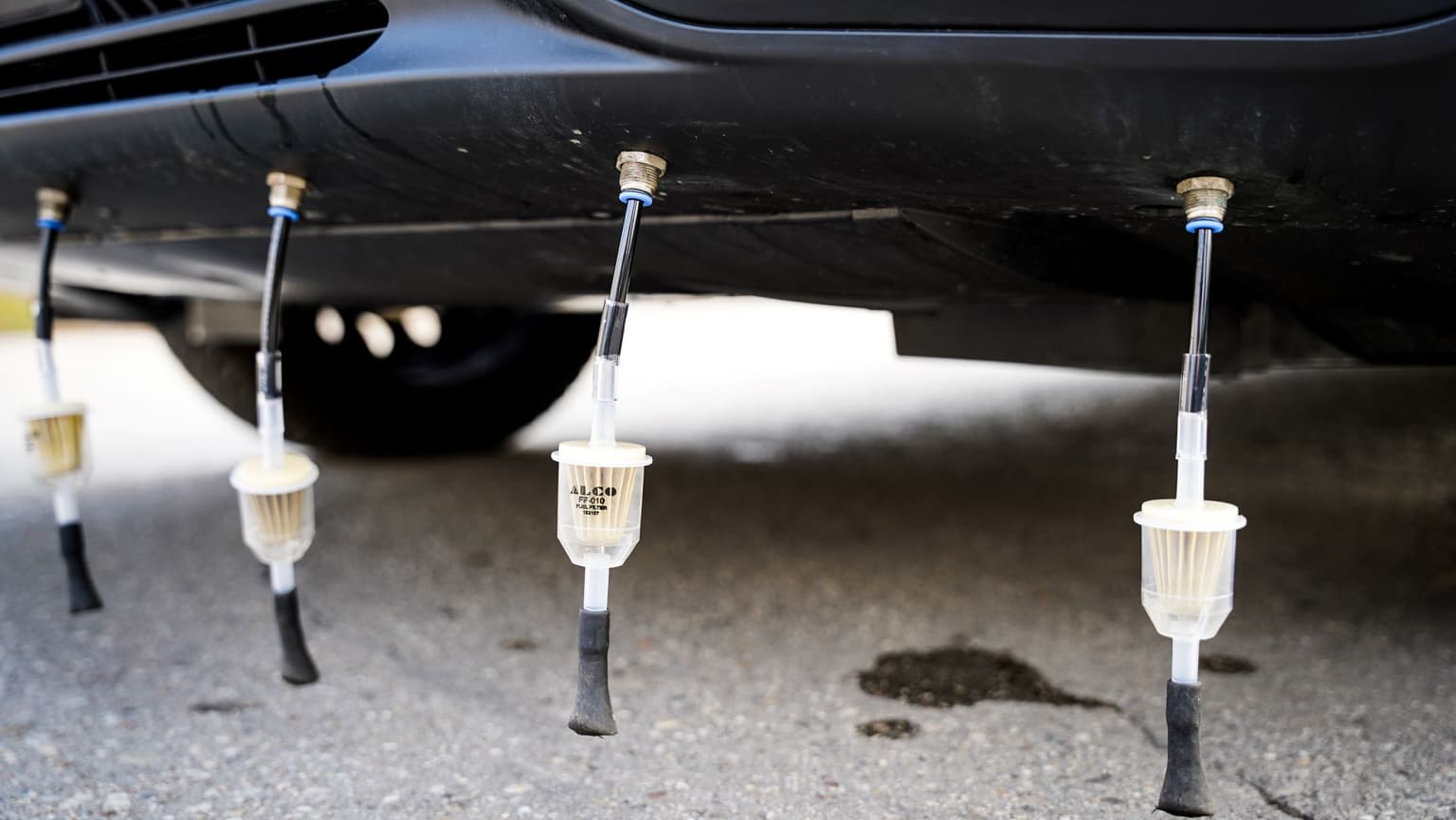
At the end of last year, GasNet expanded its existing fleet with two new detection vehicles. For the first time, it opted for electric vehicles. Both cars are fitted with intake probes in the front bumper and a modern LGP 800 Sewerin laser detection device in the boot. It can detect even the smallest leaks. The vehicles complement the wide range of tools used by the distributor—from inspectors’ patrols with handheld detectors for precise measurements in challenging conditions to large-scale aerial inspections along high-pressure gas pipeline routes.
„We have been working for a long time to make inspections of our gas facilities more efficient. This is an integral part of our strategy. That means introducing modern technologies, new tools for checking leak tightness and digital processing of these measurements. This expands our ability to inspect the distribution network. Mobile inspections meet our most stringent quality requirements,“ says GasNet CEO Andrzej Martynek.
Environmentally friendly inspections in cities
Electric vehicles have the advantage of producing no exhaust emissions, so they do not affect measurement results. City residents will certainly appreciate their quiet, emission-free operation. This also makes it possible to carry out measurements in more sensitive locations, such as around hospitals, schools and spas, or in residential areas. The vehicle conducting the mobile inspection travels at a speed of 15-20 km/h. A car equipped with a detector is ideal for inspecting longer stretches of gas pipeline running beneath or alongside a road. Inspections are carried out in normal traffic, and the cars are marked with an orange warning beacon. A vehicle can inspect up to 20 kilometres of gas pipelines a day. Its working time also includes travel to the section being inspected and, if necessary, locating leaks with a handheld detector where the inspection includes hard-to-access gas service connections.
Source: GasNet
Gas workers will deploy the first electric detection vehicle in Bohemia and the second in Moravia. The two electric cars will join two GasNet detection vehicles with combustion engines that have been in use for a long time.
„Mobile inspections of gas facility leak tightness improve the safety and reliability of the gas pipeline network. Together with other physical inspection methods, they form a cornerstone of gas leak prevention. This helps reduce methane emissions from the operation of the distribution network,“ adds Andrzej Martynek of GasNet.
Detecting even the smallest gas leaks
The cars use a laser detection device that can detect gas leaks from as little as 0,5 ppm (particles per million, i.e. 0,5 particles per million particles in the total volume). To put this in perspective, that is 0,0005 ‰ (per mille), a concentration of methane in the air considered practically negligible. This makes for highly accurate measurements. A computer program evaluates all the data during the inspection.
The vehicle operator also has a handheld “rifle-style” laser detector for remote measurements. This enables inspections at fenced-off sites and along sections that cannot be driven through, for example. In the future, gas workers also plan to equip the detector with an anemometer to measure wind speed and direction.
Translation disclaimer
This article is a machine translation of the Czech original and has not yet been fully reviewed. In case of any doubt, please refer to the Czech version.
Sdílejte článek prostřednictvím:
You might also like


23 October 2026, 11:01


23 October 2026, 06:34