
23 October 2026, 14:38
Loading...
GasNet modernizes key gas pressure station in eastern Czechia
oEnergetice.cz
18 March 2025, 08:30
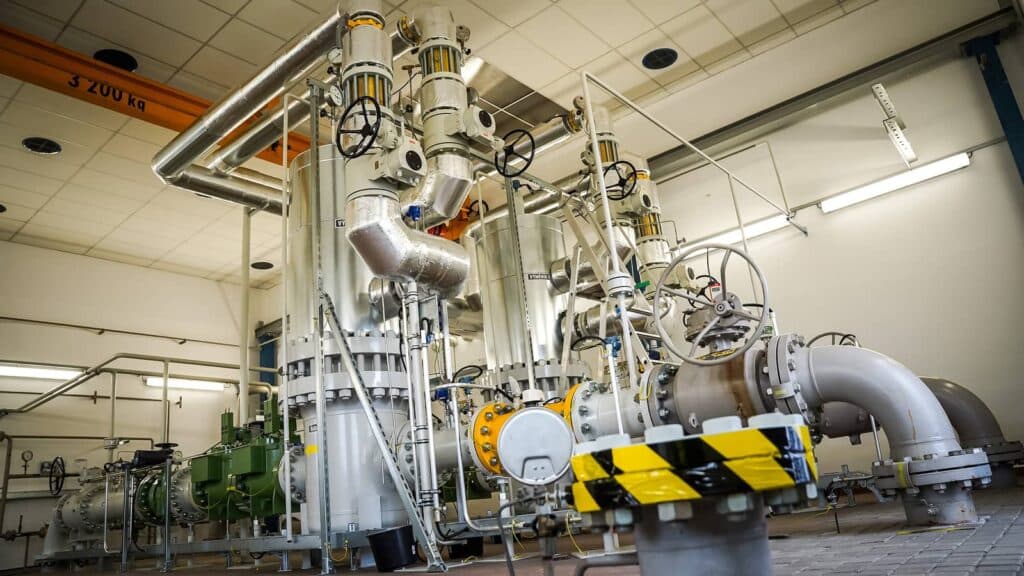
GasNet Group, the largest gas distributor inthe Czech Republic, has completed the modernization of the strategically important Černá za Bory delivery and pressure regulating station near Pardubice. The company has strengthened the security and reliability of gas supplies in eastern Bohemia while also reducing the station’s emissions and operating costs. In terms of capacity, the station is ready for growing demand for gas across all segments, including large energy sources switching from coal to gas. In the region, these include the Opatovice power plant.
The Černá za Bory delivery and pressure regulating station is a key part of the gas infrastructure in eastern Bohemia. It enables GasNet to receive gas from the transmission system operator, NET4GAS. At the station, the gas pressure is then reduced to an outlet pressure of 2.3 MPa, and gas is distributed through high-pressure pipelines to all surrounding regions—for example, towards Pardubice, Hradec Králové, Turnov, Litomyšl, Moravská Třebová and Havlíčkův Brod.
“Our absolute priority remains the safe and reliable distribution of gas to existing and new customers. That is why we invest systematically and over the long term in renewing and developing our network. This year alone, we plan to spend nearly six billion crowns on modernizing gas infrastructure. The comprehensive modernization of the Černá za Bory station is a good example: we invested 50 million crowns in it,” says Andrzej Martynek, CEO of GasNet.
The gas boiler house, which is essential for regulating the gas temperature as its pressure is reduced at the station, was renovated. The newly installed technologies have improved operational control, meet emissions standards and reduce operating costs. “We also modernized the station’s process and mechanical engineering equipment, as well as its digital control systems connected to the central control room. The project also included improved security for the entire site. Thanks to careful planning and the use of other gas facilities, we completed the construction work without interrupting gas supplies to our customers,” explains Pavel Komsa, GasNet’s construction director.
Station ready for growing demand for gas and the transformation of district heating
The station has a maximum capacity of 200 thousand m3 per hour. “In terms of capacity, the station is well prepared for growing demand for gas across all segments, including large energy sources switching from coal to gas,” Martynek continues. He also points to the fact that investment in gas infrastructure goes hand inhand with growing demand for gas from industry and households.
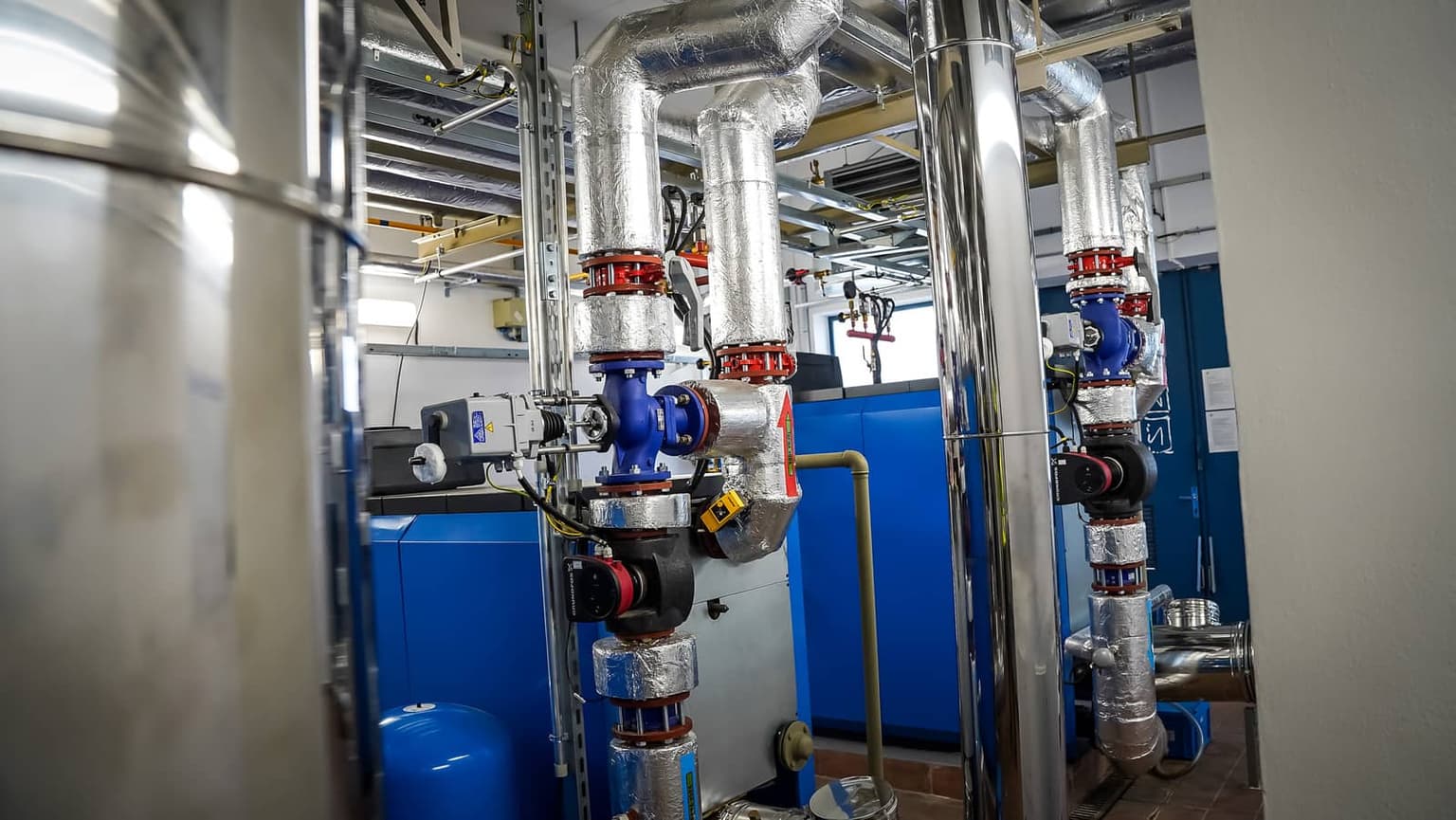
Černá za Bory regulating station near Pardubice. Source: GasNet
In 2024, nearly 10 thousand households contacted GasNet to request a connection to the gas distribution network. That was an increase of more than a third compared with the previous year. Most applications came from customers who had decided to replace solid fuels with natural gas. Interest is also growing among owners of newly built homes, who now account for around 40% of new connection points.
The total volume of gas distributed also increased. In 2024, GasNet distributed a total of 59.16 TWh of natural gas, an increase of 0.45 TWh year on year. The main driver of this growth was higher consumption by large and medium-sized customers, particularly industrial companies, chemical plants and energy companies. As district heating plants and large energy sources switch to natural gas, GasNet expects consumption to grow in the coming years as well.
“We are working intensively to prepare our distribution network for increased demand for gas across a range of segments; this is our key task for the coming years. More than a hundred larger customers in GasNet’s distribution area could replace coal with gas. More than half are already connected to the distribution network, and further connections are being prepared for the coming years. In this context, we expect gas consumption to increase by 18 TWh by 2030,” Martynek concludes.
Translation disclaimer
This article is a machine translation of the Czech original and has not yet been fully reviewed. In case of any doubt, please refer to the Czech version.
Sdílejte článek prostřednictvím:
You might also like


23 October 2026, 11:01


23 October 2026, 06:34