
23 October 2026, 06:34
Loading...
Russian gas flows to the EU are stable, but half last year's level

Eduard Majling
3 December 2025, 10:39
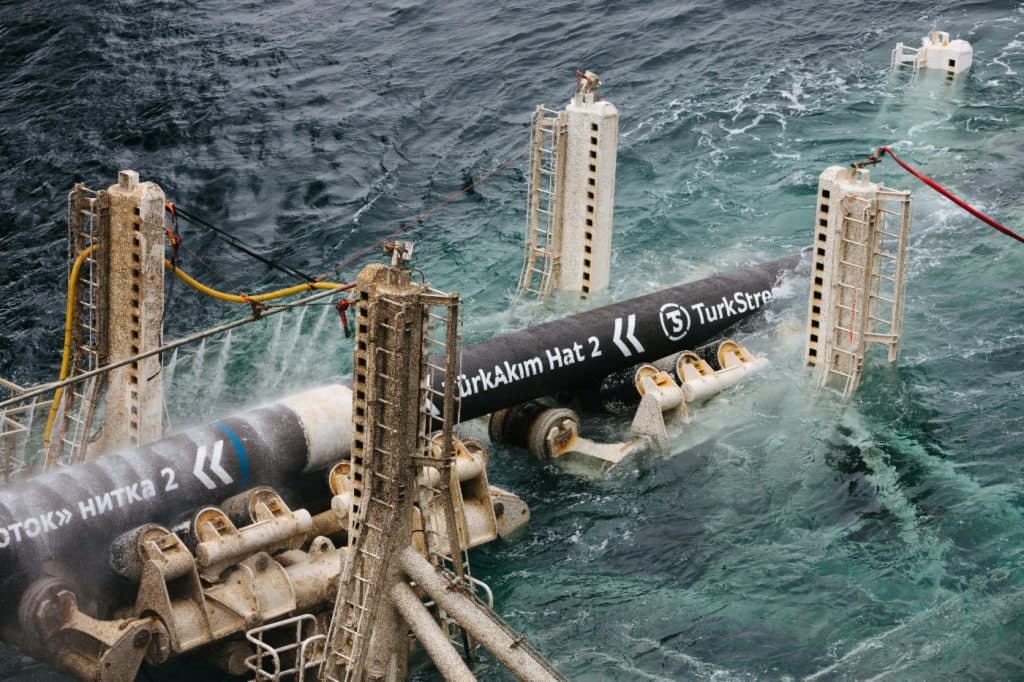
Natural gas supplies from Russia to the EU via pipelines continue, with November volumes comparable to those in October. Following the end of transit through Ukraine at the start of the year, the TurkStream pipeline is now the last route carrying Russian gas into the EU, bringing gas through Turkey to Bulgaria and beyond. Russia also continues to supply Europe with gas in liquefied form (LNG), although the EU plans to phase out supplies in both cases in the near future.
As winter gas demand gradually ramps up during the heating season, pipeline gas supplies are one of the key factors influencing prices on European markets. However, following the gradual decline in flows from Russia, which was Europe's leading gas supplier before the war in Ukraine began, the share and importance of liquefied natural gas (LNG) supplies have also grown.
Russia now has only one active pipeline route to the EU: a connection through Turkey and the pipeline onward to Bulgaria. In November, an average of 54.3 million cubic metres of gas per day flowed along this route, according to Reuters, a volume comparable to the previous month.
Since the beginning of this year, 16.3 billion cubic metres of gas have flowed into Europe via TurkStream. Flows along this route have therefore risen by around one billion cubic metres compared with last year. Overall Russian pipeline gas supplies, however, have fallen year on year, with Gazprom delivering just under 30 billion cubic metres to the EU between January and November. The decline this year was caused by the halt in gas transit through Ukraine.
Gazprom, which stopped publishing its own monthly statistics in 2023, did not respond to questions from Reuters. If the current pace of deliveries is maintained, total Russian pipeline gas supplies could reach 18 billion cubic metres, according to Reuters. Gazprom's highest-ever deliveries to Europe were in 2018 and 2019, when supplies reached 175 to 180 billion cubic metres—ten times this year's levels.
Translation disclaimer
This article is a machine translation of the Czech original and has not yet been fully reviewed. In case of any doubt, please refer to the Czech version.
Sdílejte článek prostřednictvím:
You might also like



22 October 2026, 10:45
