
23 October 2026, 14:38
Loading...
A different approach to nuclear power: 80-year reactor lifetimes and small modular reactors

Martin Voříšek
15 July 2019, 07:51
The US energy sector should focus primarily on further extending the operating lifetimes of nuclear power plants and on new technologies such as small modular reactors. Dan Brouillette, US Deputy Energy Secretary, said this at an International Energy Agency conference.
Nuclear power in the United States is currently not going through its most successful period. Several nuclear reactors have been shut down in recent years due to increasing competition from cheaper gas-fired and renewable sources.
Moreover, the construction of new nuclear capacity is not going according to plan either – an example is the construction of the VC Summer plant, which was halted because the project was uneconomic only after its construction bill had climbed to $9 billion.
It is therefore no surprise that the Department of Energy is changing its approach to nuclear power and choosing a different path for its development. This is not particularly complicated – extending the lifetimes of existing reactors to 80 years and developing new nuclear technologies, primarily small modular reactors.
Most nuclear reactors already have their operating licences extended to 60 years from the original 40 years.
For comparison, the Dukovany nuclear units currently have their operating lifetimes extended to 50 years, although an extension to 60 years, i.e. until 2045, is being intensively discussed.
“We believe that our existing nuclear capacity, which we will support with revolutionary nuclear technologies, is absolutely crucial for our energy and national security and environmental sustainability,” said Dan Brouillette, US Deputy Energy Secretary.
The US has thus opted for a relatively pragmatic approach to nuclear power. It is well aware that climate commitments are currently difficult to meet without nuclear power plants.
Renewable sources do not yet have sufficient support from batteries or other energy storage technologies, making nuclear power the main zero-emission source for baseload. Extending operating lifetimes creates room for the development of new technologies that can replace the current generation of reactors.
The US also wants to secure the further development of nuclear power. According to the Deputy Secretary, there are currently 50 innovative companies in the US actively involved in developing new types of nuclear reactors. The main advantage of these projects, he said, is the lower amount of nuclear waste per unit of electricity generated.
Reuters adds that the Department of Energy has already paid out more than $125 million this year for public-private partnerships aimed at developing new nuclear technologies.
The United States currently has nearly 100 nuclear reactors in operation, accounting for 20% of total electricity generation in the country.
Besides the US, France is also interested in extending the lifetimes of its nuclear power plants and plans to extend the operating lives of its 58 reactors – however, the national nuclear safety authority has not yet issued a final decision allowing this.
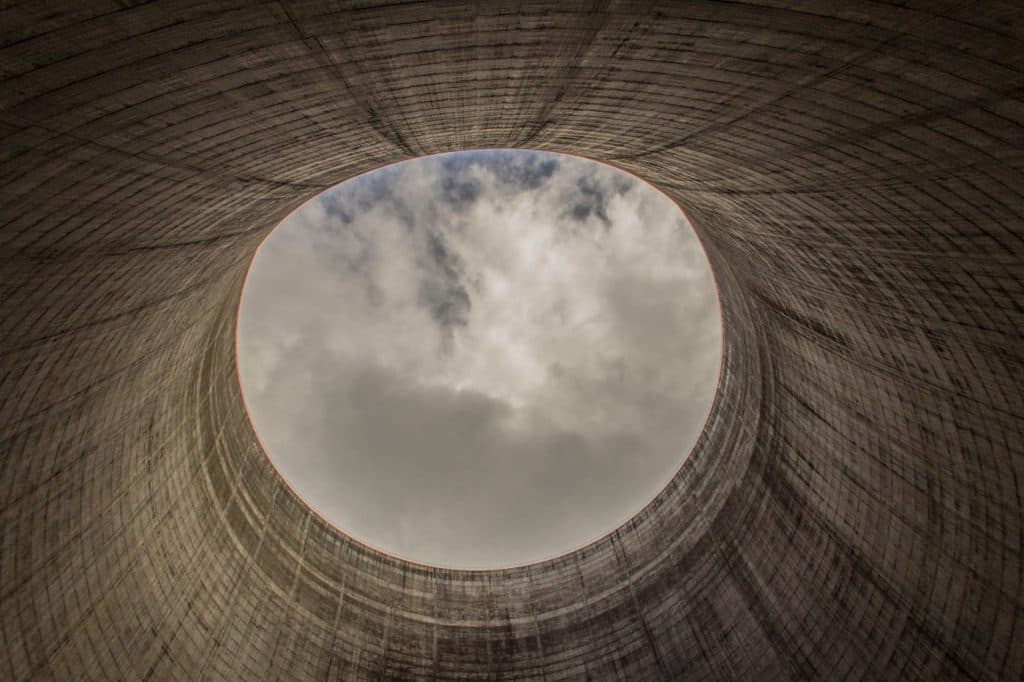
Lead photo: The cooling tower of the unfinished Satsop nuclear power plant – only one of five units was brought into operation
Translation disclaimer
This article is a machine translation of the Czech original and has not yet been fully reviewed. In case of any doubt, please refer to the Czech version.
The article continues for subscribers
Premium content
The rest of this article is available to premium subscribers only. Get access to all premium articles on oEnergetice.cz.
Best value: annual subscription
Monthly option 4 € / month
3.25 €/ month
You might also like

23 October 2026, 11:01

23 October 2026, 06:34