
23 October 2026, 14:38
Loading...
Belgian parliament scraps country's nuclear phase-out over Ukraine

oEnergetice.cz, ČTK
15 May 2025, 21:05
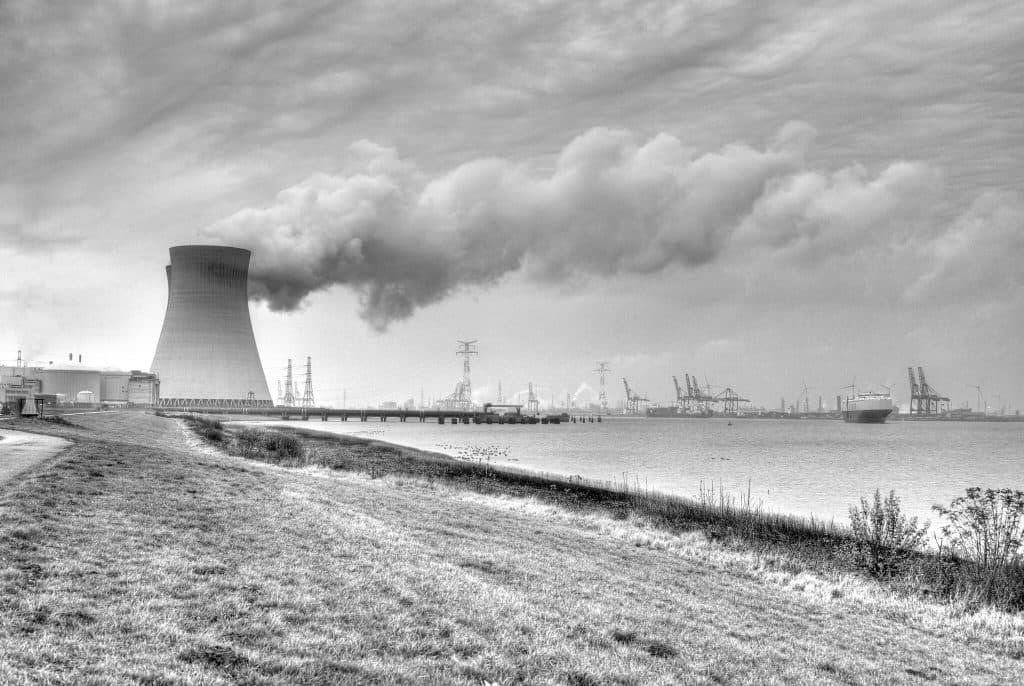
Belgium's parliament today scrapped the nuclear phase-out enshrined in a 2003 law, AFP reports. The move was prompted by Russia's invasion of Ukraine more than three years ago. Parliament acted in line with the wishes of the government led by Flemish conservative Bart De Wever.
The new wording of the law removes all references to phasing out nuclear power generation in 2025 and to the ban on building new nuclear reactors in Belgium, while allowing the lifetimes of existing reactors to be extended. The text was passed by a large majority, with 102 votes in favour, eight against and 31 abstentions.
"The federal parliament has turned the page on two decades of deadlock and hesitation, paving the way for a realistic and resilient energy model," Belgian Energy Minister Mathieu Bihet, who championed the changes, said in welcome.
He assured lawmakers that Belgium intends to "relaunch an innovative sector" that is likely to strengthen its energy independence and decarbonisation efforts.
In mid-March, French energy company Engie reached an agreement with the Belgian state to extend the operation of two Belgian nuclear reactors. The Tihange 3 plant in the east of the country and Doel 4 near Antwerp will operate for another ten years. The reactors began operating in 1985.
Belgium had originally planned to abandon nuclear power entirely by this year and rely more heavily on natural gas. But it reconsidered its plans following Russia's invasion of Ukraine in February 2022.
The Netherlands, Sweden, Poland, Slovakia and Hungary have also since decided to build new reactors, while Czechia and Bulgaria are planning to do so. France has traditionally been a strong supporter of nuclear power plants and plans to build at least six new reactors and extend the lifetimes of older ones.
Some German politicians also want to return to nuclear power. Bavarian premier Markus Söder, for example, is calling for the restart of three nuclear power plants that were shut down two years ago. The government of Chancellor Angela Merkel decided to end nuclear electricity generation in the country in May 2011 in response to the accident at Japan's Fukushima nuclear power plant. Merkel's conservative party, the CDU, whose current leader Friedrich Merz was elected the new chancellor by the Bundestag last week, now considers the decision a mistake.
Translation disclaimer
This article is a machine translation of the Czech original and has not yet been fully reviewed. In case of any doubt, please refer to the Czech version.
Sdílejte článek prostřednictvím:
You might also like


23 October 2026, 11:01


23 October 2026, 06:34