
23 October 2026, 14:38
Loading...
Belgian plans to extend nuclear plant lifetimes to be reviewed by EU

Jiří Puchnar
26 July 2024, 15:22
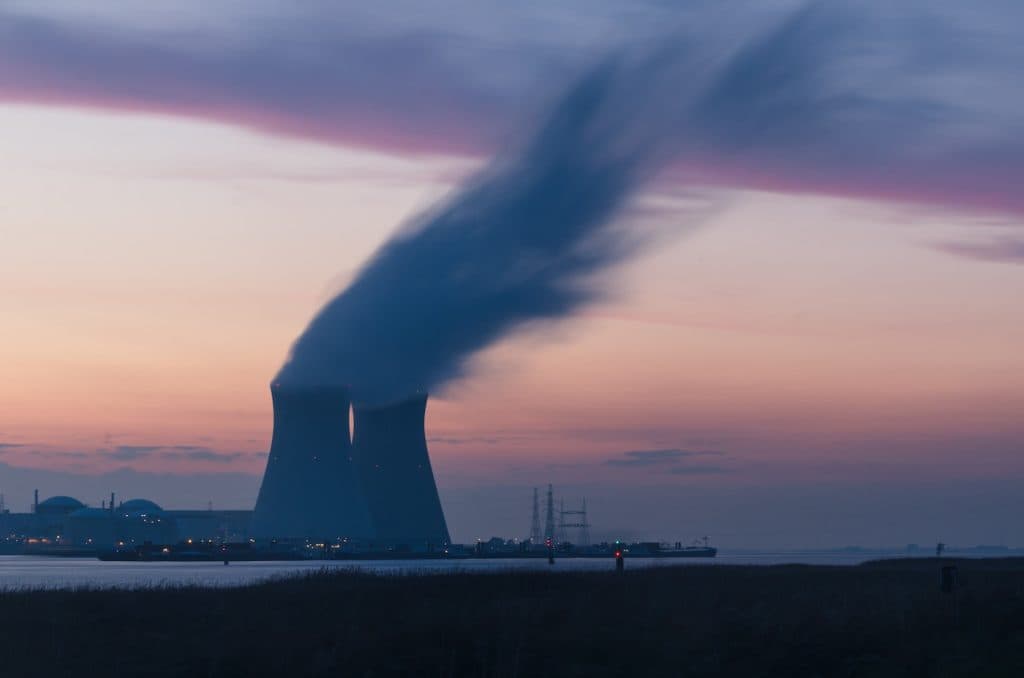
The European Commission has launched an in-depth investigation into a plan to extend the lifetimes of two Belgian nuclear reactors. It wants to determine whether the state aid is acceptable and complies with European Union rules.
Belgium completed its plan in December to extend the lifetimes of the Doel 4 and Tihange 3 reactors by 10 years, securing 2 GWe of capacity from the reactors, which are 89.8% owned by Engie Electrabel and 10.2% by its subsidiary EDF Luminus. The decision to extend the reactors’ lifetimes was proposed to strengthen the country’s energy security while keeping carbon emissions as low as possible.
The agreement reached by the Belgian government includes the creation of a 50:50 joint venture between the state and Electrabel, which would own and operate the plants together with Luminus. Shareholder loans of approximately 2 billion EUR (55.9 billion CZK) are planned to cover the capital expenditure required to extend the reactors’ lifetimes. According to the European Commission, this involves “financial support mechanisms provided by the Belgian state, including the pre-financing of Electrabel’s costs and expenses for development activities, the application of a Contract-for-Difference (CfD) mechanism throughout the extended operating period, a loan of approximately 580 million EUR and a guarantee of operating cash flow”.
Transfer of responsibility for nuclear waste
The proposal is also expected to include “the transfer of responsibility from Electrabel to the Belgian state for the long-term storage and final disposal of nuclear waste and spent fuel, in exchange for a one-off payment of 15 billion EUR (381 billion CZK). It also includes risk-sharing and legal protection in the event of future legislative changes affecting Belgian nuclear power plant operators or Electrabel’s nuclear activities”.
The Commission says the measures appear justified, but it has “doubts about their compliance with EU state aid rules and has therefore decided to launch an in-depth investigation”. The issues to be investigated further include the need for additional financial support beyond the CfD, the design of the CfD itself, and “the proportionality of the combination of financial and structural measures and the one-off payment of 15 billion EUR for the disposal of nuclear waste”.
Belgium and interested parties now have the opportunity to submit comments. European Union member states are free to decide on their energy mix. State financial support “should remain proportionate and should not adversely affect trading conditions to an extent that would be contrary to the common interest”.
Background and technical conditions
Under the Belgian coalition government’s plan from December 2021, the Doel 3 reactor was shut down in September 2022, while Tihange 2 was shut down at the end of January 2023. The newer Doel 4 and Tihange 3 reactors were due to be shut down by 2025. However, after Russia launched its invasion of Ukraine in February 2022, the government and Electrabel began talks on the possibility and terms of extending the reactors’ operation by a further 10 years, with a final agreement reached in December.
The business model agreed for the extended operation will provide a balanced allocation of risk, notably through a Contract-for-Difference mechanism that ensures a stable price for the electricity generated.
The amount of support will be based on the actual costs of extending the nuclear units’ operation. These costs are not yet known, but will be estimated based on nuclear safety requirements set by the Federal Agency for Nuclear Control. An initial price will be set in 2025 and updated in 2028 to reflect the known final costs of continued operation through 2035.
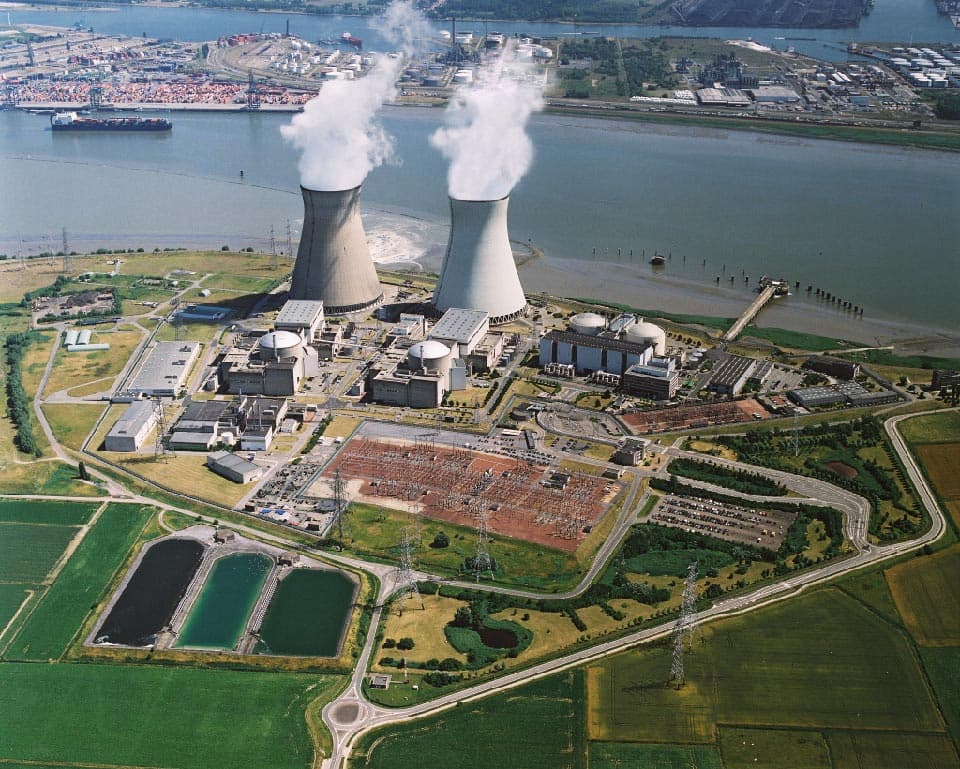
Doel nuclear power plant. Source: Electrabel
The final text also sets out the technical and operational conditions for restarting both reactor units from November 2025, with full nuclear safety guarantees. Engie said that operating the two reactors and the ongoing decommissioning of the other units would sustain approximately 4000 direct and indirect jobs.
Translation disclaimer
This article is a machine translation of the Czech original and has not yet been fully reviewed. In case of any doubt, please refer to the Czech version.
Sdílejte článek prostřednictvím:
You might also like


23 October 2026, 11:01


23 October 2026, 06:34