
23 October 2026, 14:38
Loading...
Drábová: KHNP-Westinghouse cooperation could make licensing new Czech units easier

oEnergetice.cz, ČTK
23 July 2024, 15:42
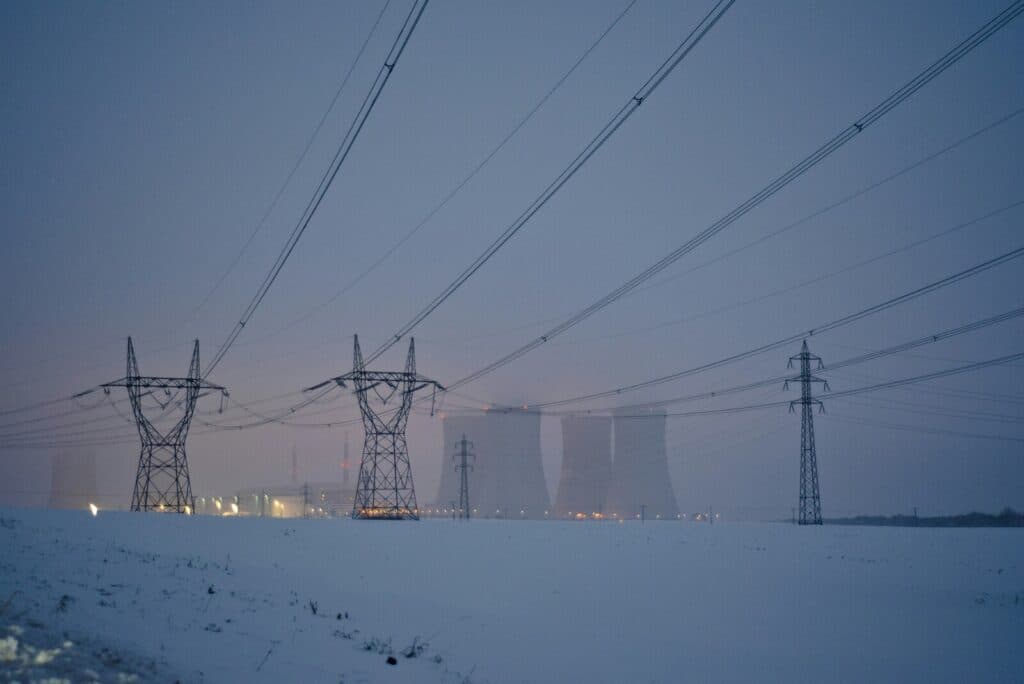
Licensing the new nuclear reactors at Dukovany from Korean company KHNP could be made easier if the Koreans cooperate with US company Westinghouse on some parts of the system. Some of these, such as Westinghouse’s instrumentation and control system, are already in operation at Temelín. The two companies, which are embroiled in a commercial dispute over the use of the technology, have cooperated in the past on supplying a system for another project. Dana Drábová, chair of the State Office for Nuclear Safety (SÚJB), told Czech Radio Plus. The office will need to strengthen its staff, she said. The Czech News Agency is seeking comment from KHNP.
Korean company KHNP won the nuclear tender in the Czech Republic and will build two nuclear units at Dukovany in the Třebíč region, the government decided last week. After the result was announced, however, US company Westinghouse objected, saying KHNP is not entitled to use the reactor technology it offered the Czech Republic in the tender. The Americans accuse the Korean company of failing to comply with US export control regulations and intend to take legal action over the matter. KHNP said it has a different view on the right to use the technology and declared that it would comply with US regulations.
In the interview, Drábová said she understood Westinghouse’s objections. „All pressurised water reactors, including the French ones, ultimately have their origins in Westinghouse technology. Cooperation between the US and South Korea was intensive, but I don’t know to what extent that technology was naturalised,“ she said.
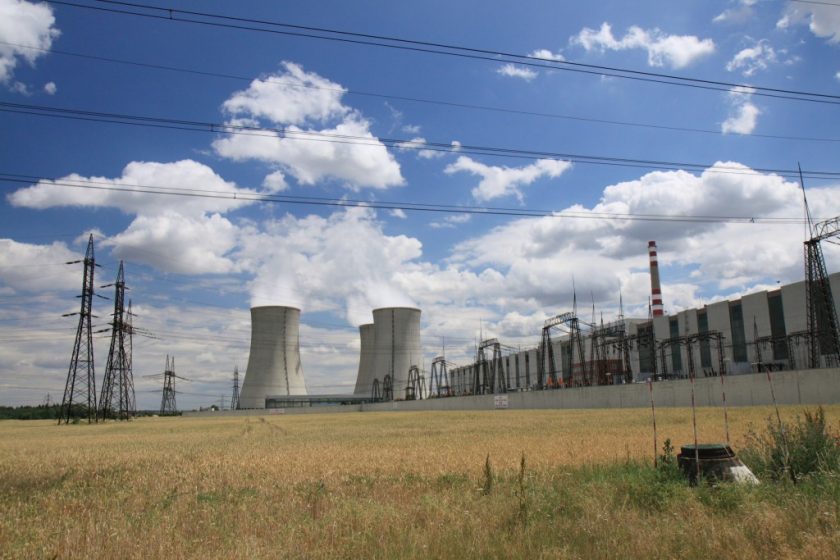
The head of the office hopes, however, that the two companies could reach an agreement for the Czech project similar to the arrangement in the United Arab Emirates, where Westinghouse worked on part of KHNP’s contract to build the Barakah nuclear power plant. „It was the instrumentation and control system, supplied by Westinghouse. That would make licensing enormously easier for us, because the Eagle system is at Temelín,“ Drábová explained.
The Koreans offered a new reactor technology, the 1050 MW APR1000, in the tender. Construction in the Czech Republic will require a licence from the SÚJB, which must confirm that the technology can be operated safely. According to Drábová, the office will have an administrative deadline of 18 months from the submission of the documentation. However, the SÚJB will need more staff and funding to do this, its chair said. „We carried out a fairly thorough and rigorous analysis using the International Atomic Energy Agency’s methodology. It showed that the ideal situation would be for us to have roughly 50 more people than the current staff of 218. And just as that is about a quarter more people than we have now, it would mean a budget roughly a quarter higher,“ Drábová said. The SÚJB’s budget is currently around half a billion crowns a year.
According to the cabinet, the total cost of the two reactors at current prices will be around CZK 400 billion, although some analysts warn that the cost could rise as much as threefold and the construction could be delayed. The state will also discuss with KHNP an option for two more reactors at Temelín in South Bohemia.
Translation disclaimer
This article is a machine translation of the Czech original and has not yet been fully reviewed. In case of any doubt, please refer to the Czech version.
Sdílejte článek prostřednictvím:
You might also like


23 October 2026, 11:01


23 October 2026, 06:34