23 October 2026, 14:38
Loading...
EDF announces plans to establish EPR1200 nuclear technology centre in Czechia
oEnergetice.cz
20 June 2024, 15:33
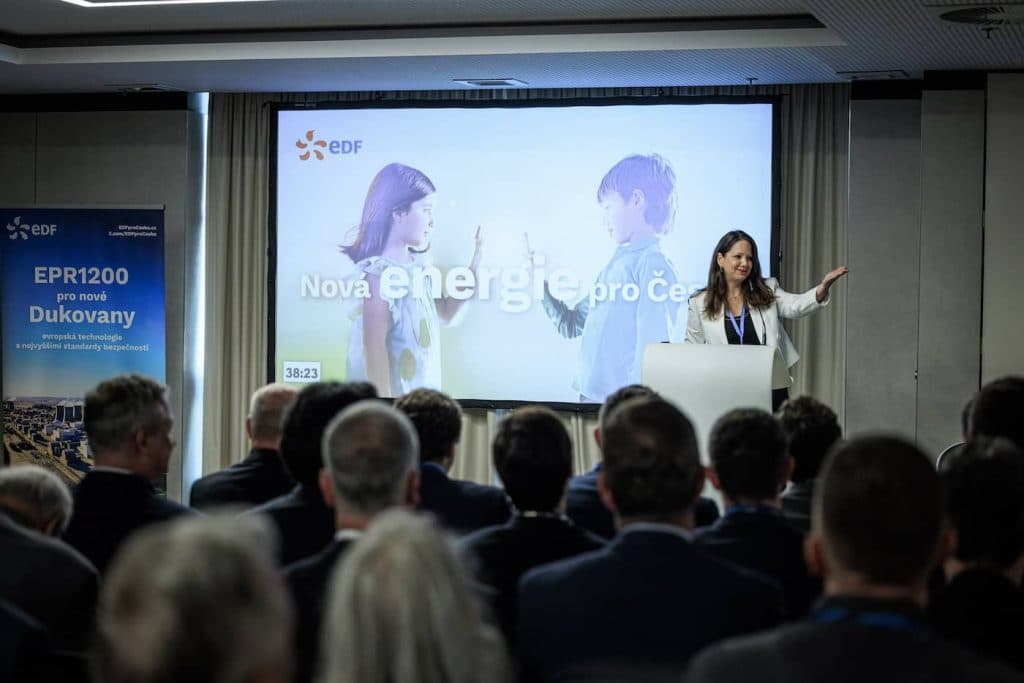
Czech industry is ready to build on its existing experience with EPR technology.
Existing experience with EPR nuclear technology and the shared regulatory environment in Europe position Czech industry to secure a substantial share of supplies for new Czech units and offer broad opportunities to participate in further EPR projects. This is, in brief, how the EPR1200 Technical Symposium, organised by EDF and its key partners in Prague on 18 June under the auspices of the Confederation of Industry of the Czech Republic, could be summarised.
No similar event has previously been held in Czechia. More than a hundred nuclear experts, academics and representatives of Czech industry had a unique opportunity to become acquainted in detail with the EPR1200 technology that EDF is offering for the construction of new nuclear capacity in the Czech Republic. The symposium was opened by French Ambassador to Czechia Stéphane Crouzat and Tomáš Ehler, deputy director general of the energy and nuclear resources section at the Czech Ministry of Industry and Trade. During the all-day event, around 30 leading global experts from EDF, Framatome and Arabelle Solutions (formerly GE Steam Power) presented the EPR1200 nuclear unit to the Czech audience in exceptional detail.
“EDF intends to build strong industrial and technical ties with Czechia. This is why we want to make EPR1200 technology available not only to ČEZ, but to the entire Czech nuclear community,” says Roman Zdebor, director of EDF’s Czech branch.
EPR1200 is the latest design in the EPR family, incorporating experience from the operation of 57 reactors in France as well as feedback from the operation of the first EPRs in Europe. This technology has been operating worldwide since 2018, while the first European EPR began operation in Finland in 2023. EDF is commissioning another at Flamanville in France and is also building two new EPRs in the United Kingdom. Several Czech companies are currently involved in the Hinkley Point C project.
“Czech industry has no doubts about the high quality of EPR technology in nuclear power. A number of individual companies’ supplies are already under implementation, so the process of adapting Czech firms to EPR technology is ongoing,” said Josef Perlík, executive director of the Czech Energy Alliance.
Cooperation between the Czech and French nuclear industries has been under way for decades, whether through supplies of components from Czechia to French power plants or Framatome’s modernisation of control systems at the Dukovany and Temelín nuclear power plants.
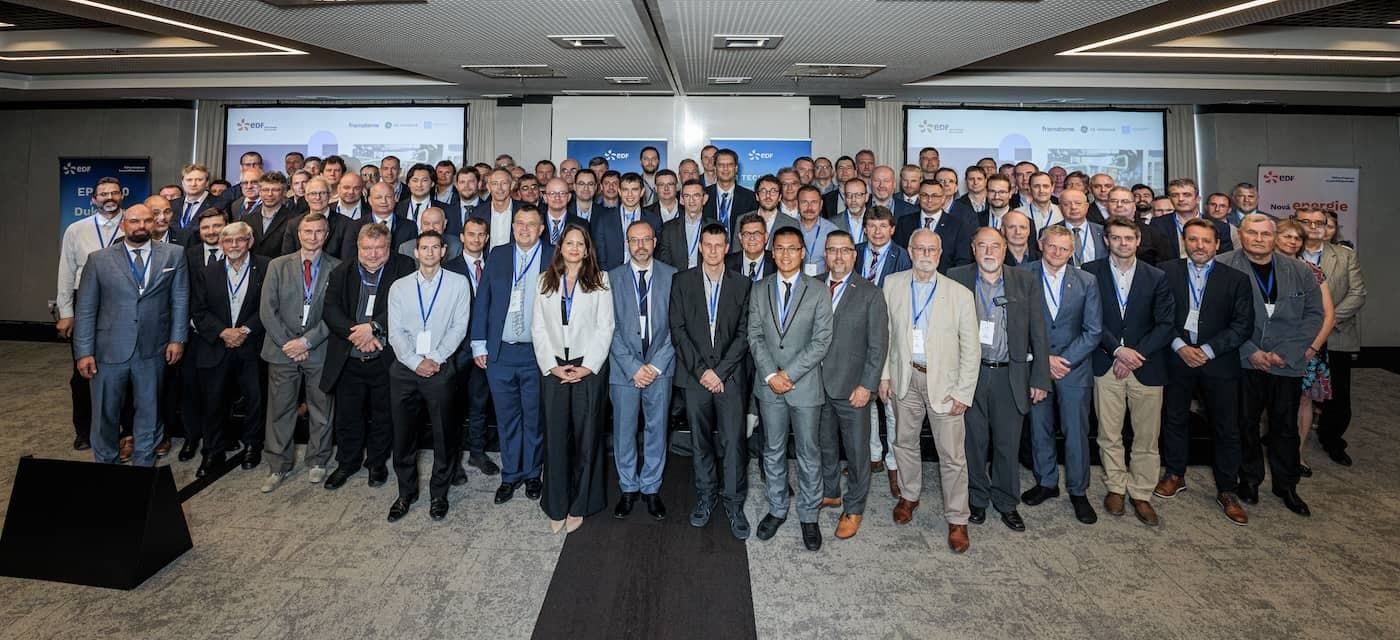
Source: EDF
EDF currently has around 200 Czech companies on record that could become suppliers for new nuclear units in the Czech Republic. Around 90 of them are at the pre-qualification stage. If they become qualified EDF suppliers, they could find opportunities not only in Czechia but also in a number of other EDF nuclear projects across Europe.
“The successful cooperation to date, as well as the fact that we are accustomed to European technical norms and standards, position Czech companies for extensive involvement in EDF projects,” said Bilel Ouertani, supplier audit manager at EDF.
EDF plans to cooperate not only with Czech industry, but also to mobilise Czech engineering and research capacity. The company said that up to 50 nuclear power plants will need to be brought into operation in the coming decades to meet European carbon-emissions reduction targets, and it is seeking for a large proportion of these plants to be built using EPR and EPR1200 technologies.
“Czechia is no newcomer to nuclear power. It has not only a very strong nuclear industry, but also an excellent engineering, academic and research environment across many technical fields that are crucial for the nuclear industry. As part of our vision to build a fleet of European reactors, we want to make Czechia a technology centre for EPR1200 that will serve not only the Czech programme, but also EDF’s other projects in Europe,” announced Sarah Illouz, director responsible for EDF’s offer to ČEZ.
New cooling requirements
The symposium topics covered in detail all key functions, architecture and features of EPR1200, from ensuring safety and nuclear fuel to control and instrumentation systems, as well as a discussion of how EPR1200 is fully adapted to meet operational, climate and regulatory requirements in Europe.
As a landlocked country, Czechia can locate nuclear power plants only on riverbanks and must use a cooling-tower system for their cooling.
“With growing challenges caused by climate change, the question of selecting suitable technology adapted to the new conditions is very important. Since 36 of the 57 reactors operating in France are cooled by river water, it is clear that EDF has extensive experience in optimising its cooling solutions for such conditions,” said Jiří Marek, chairman of the Nuclear Veterans association.
Three European licences
In the potential licensing of EPR1200 by the nuclear regulator, the Czech Republic can rely on licences for EPR technology from three European countries: Finland, France and the United Kingdom. The French nuclear regulator ASN is ready to fully support the Czech State Office for Nuclear Safety in its role as an independent assessor. ASN has also confirmed that the baseline EPR design and its EPR1200 adaptation have identical safety systems. *(https://www.asn.fr/l-asn-reglemente/bulletin-officiel-de-l-asn/installations-nucleaires/avis/avis-n-2022-av-0413-de-l-asn-du-10-novembre-2022)
Likewise, all key components, such as the pressuriser, steam generator and reactor coolant pump, are virtually identical for EPR and EPR1200. The exceptional degree of similarity between the baseline reactor and its medium-sized counterpart, together with EDF’s experience in licensing and construction in Europe, provides a high degree of confidence in the successful implementation of the EPR1200 project in the Czech Republic.
Translation disclaimer
This article is a machine translation of the Czech original and has not yet been fully reviewed. In case of any doubt, please refer to the Czech version.
Sdílejte článek prostřednictvím:
You might also like
23 October 2026, 11:01
23 October 2026, 06:34