23 October 2026, 14:38
Loading...
EDF plans to manufacture key nuclear island components in Czechia
oEnergetice.cz
15 July 2024, 14:06
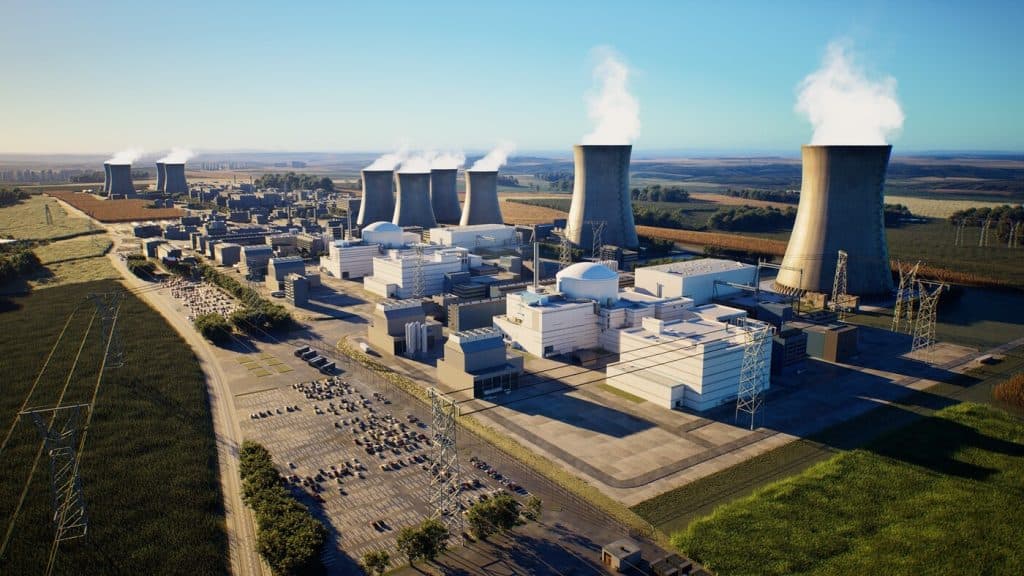
EDF continues to deepen and refine its cooperation plan with Czech industry as part of the future construction of new nuclear capacity in Czechia and other countries.
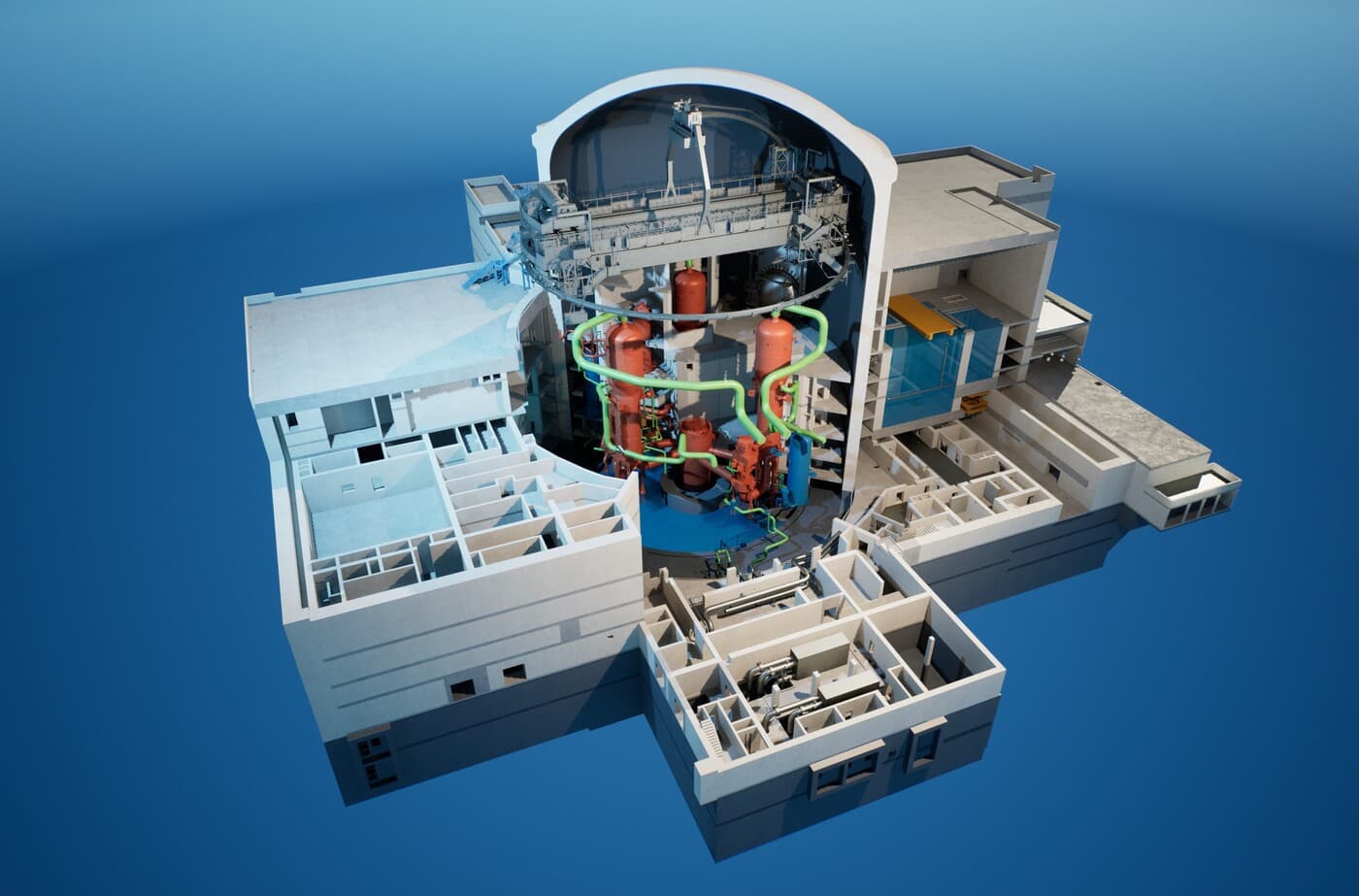
Czech industry is already supplying EDF with certain key components of the nuclear island for the EPR reactor the company is building at the UK’s Hinkley Point C, specifically reactor internals from Škoda JS. EDF now plans, together with its strategic partner Framatome, to extend this cooperation to critical components for the EPR1200 reactor offered for the Czech Republic, such as the pressuriser. This important component at the very heart of a nuclear power plant is almost fifteen metres long and weighs nearly 150 tonnes. It plays an important role in maintaining pressure in the reactor core and ensuring that the water in it remains liquid despite high temperatures. It regulates pressure using electric heaters and a spray system, either balancing pressure by heating water to increase it or spraying cooler water to reduce it.
Manufacturing these technologically advanced devices in Czechia would further expand the expertise of the domestic nuclear industry while creating opportunities for exports to other markets. EDF has previously announced that it proposes establishing a Czech-French industrial alliance to export nuclear energy globally. This “nuclear Airbus” would have a significant and long-term impact on the domestic economy.
In addition to the four EPR1200 units that EDF wants to build in Czechia, it plans to deliver up to 22 additional EPR or EPR1200 units in Europe by 2050. This plan will necessarily require the involvement of Czech industry. It is therefore not merely a customer-supplier relationship, but a long-term strategic partnership. In addition, EDF would establish an EPR1200 technology centre in Czechia – an engineering platform for further international projects. It also intends to set up a regional team in Czechia to support the operation and maintenance of EPR reactors, another element with long-term benefits for the domestic economy.
EDF’s analysis indicates that the above scenario should bring around CZK 1 trillion to the Czech economy by 2050.
Source: EDF
The analysis is based on specific EDF projects under preparation or already under way in France (14 EPR reactors), the United Kingdom (4 EPRs) and elsewhere in Europe, including Czechia. It takes into account EDF’s recent experience with localising the Hinkley Point C project, where British companies secured the majority of the contracts. It also includes a detailed assessment of the capabilities of the Czech nuclear industry.
EDF reached the well-founded conclusion that Czech industry has the industrial, human and technological capabilities to play a significant role beyond the Czech nuclear programme. EDF has identified more than 300 potential suppliers in Czechia, and 90 companies are prequalified to supply EPR reactors in the areas of mechanical engineering, electrical engineering, equipment manufacturing, installation, construction work and services.
In terms of cooperation with local industry, EDF wants to use its model proven in the United Kingdom, where British companies account for 64 % of the total contract value (a figure audited by the UK government). EDF’s aim is to achieve similar or higher levels of localisation in Czechia.
To this end, EDF has signed memorandums of cooperation with more than thirty Czech companies. In addition, in June EDF concluded new agreements with key companies in the domestic nuclear industry: Armatury Group, I&C Energo, Sigma Group, Škoda JS and ZAT. These agreements clarify the scope of potential supplies and significantly reinforce EDF’s commitment to future cooperation. Agreements were also concluded on that occasion with the Association of Building Entrepreneurs and the Czech Steel Construction Association.
Translation disclaimer
This article is a machine translation of the Czech original and has not yet been fully reviewed. In case of any doubt, please refer to the Czech version.
Sdílejte článek prostřednictvím:
You might also like
23 October 2026, 11:01
23 October 2026, 06:34