IEA: Interest in nuclear power is at its highest in decades, but the West has fallen behind

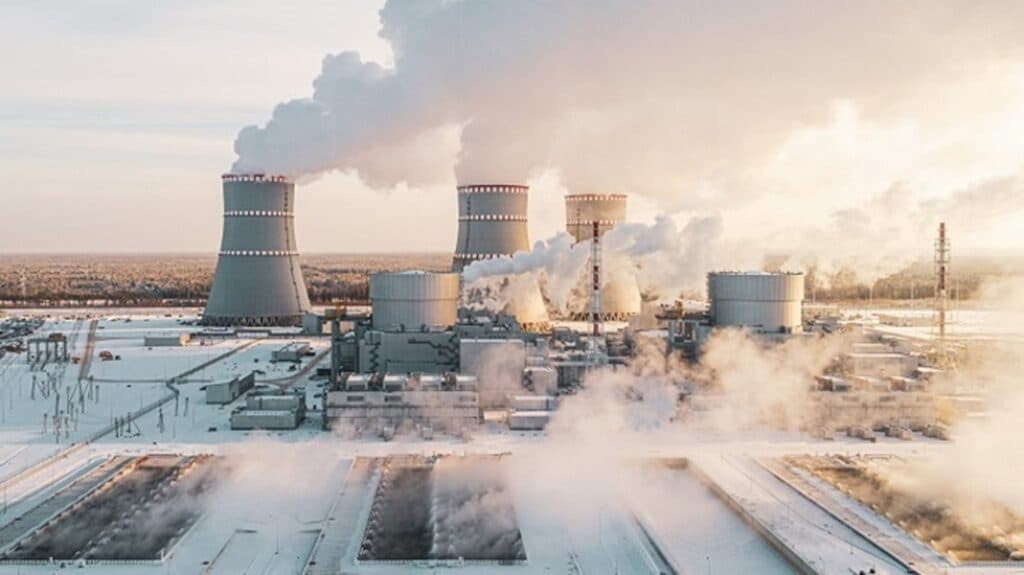
According to the International Energy Agency (IEA), nuclear power is back in the spotlight. Although some countries are moving away from nuclear power, global installed capacity is growing thanks to development in China, Russia and other regions. Investment in nuclear technologies has increased by nearly 50 % since 2020, reaching its highest level in decades. The sector is also gaining support from tech giants such as Google and Microsoft, which could have a major impact on its future.
Nuclear power plants generate just under 10 % of the world's electricity and are now the second-largest source of low-emission electricity after hydropower. Although in recent years it may have seemed that the sector was destined to stagnate and gradually decline, according to the IEA, interest in nuclear power is currently at its highest level since the oil crisis of the 1970s.
The trend is also reflected in the data. Although several countries, including neighbouring Germany, are gradually phasing out nuclear power plants, global generation from these sources is growing.
Japan is resuming generation, France is completing maintenance work, and new reactors in China, India and Korea are entering commercial operation. Support for expanding the use of nuclear energy has also now been adopted in more than 40 countries, while innovations such as small modular reactors (SMRs) are adapting the technology to today's needs.
The West is stagnating while China and Russia build
The figures also show that nuclear power is gaining momentum. Around 63 nuclear reactors are currently under construction worldwide, one of the highest levels since 1990. In addition, decisions have been made over the past five years to extend the operating lives of more than 60 reactors worldwide, covering nearly 15 % of the total nuclear fleet.
Annual investment in nuclear power, which includes both new plants and life extensions for existing ones, has also increased by nearly 50 % since 2020, surpassing USD 60 billion (approx. EUR 57 billion). For comparison, this is roughly half the amount EU member states invested in renewables in 2023 (EUR 110 billion).
This also makes it clear that nuclear development in recent years has been driven by regions other than the West. The report's authors make the same point, noting that the pace of nuclear development is uneven across regions. At present, the renewed momentum in nuclear power depends heavily on Chinese and Russian technology. Of the 52 reactors whose construction has begun worldwide since 2017, 25 are of Chinese design and 23 of Russian design.
Lower investment costs and the entry of technology companies
According to the report, small modular reactors (SMRs) could change this situation by addressing one key problem facing nuclear power today: high upfront investment. Under optimistic scenarios, modelling suggests that projects could eventually achieve costs comparable to those of large hydropower plants or offshore wind farms. According to the authors, this could reduce project payback periods to just 10 years.
In addition, the involvement of technology companies in supporting nuclear power could have two major effects. The first is their undeniable influence on public perceptions. Support for nuclear power from companies such as Google and Microsoft could significantly influence public opinion. The second is their credit rating and ability to finance large projects, a category that undoubtedly includes nuclear power plants.
Translation disclaimer
This article is a machine translation of the Czech original and has not yet been fully reviewed. In case of any doubt, please refer to the Czech version.




