
28 October 2026, 15:10
Loading...
Italy's ambitious plans: Nuclear power could account for a tenth of the country's installed capacity by 2040

Eduard Majling
30 May 2024, 14:40
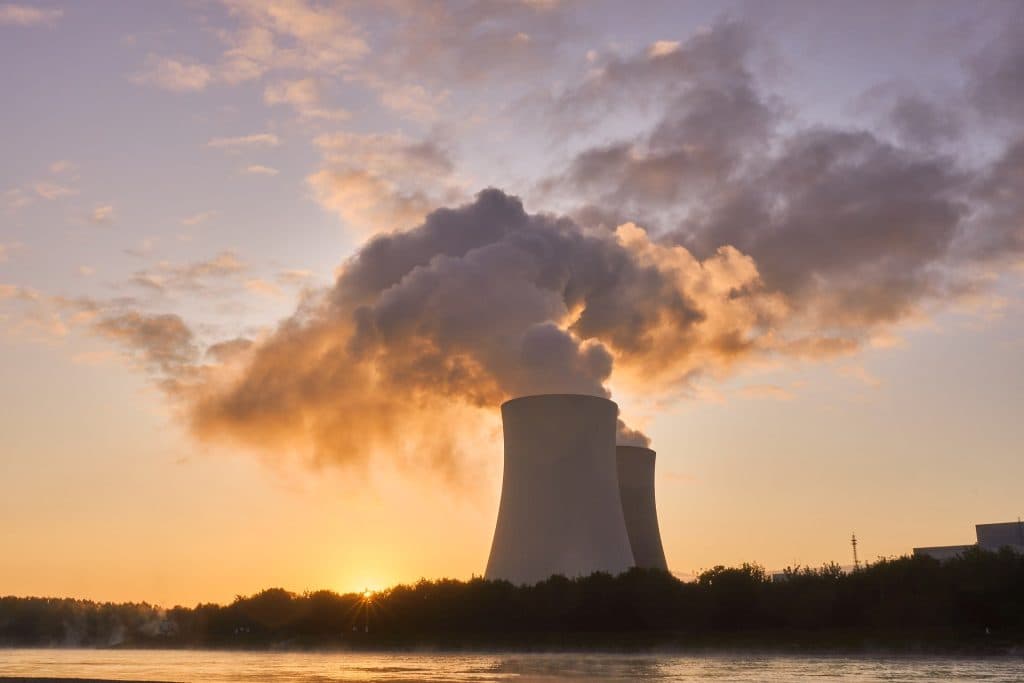
Like many other European countries, Italy has very ambitious plans for nuclear energy. After lawmakers there lifted the ban on building nuclear power plants relatively recently, those plans are beginning to take concrete shape. According to a representative of the Italian Ministry of Energy, nuclear power could account for around 10% of installed capacity by the end of the next decade.
Italy’s nuclear revival does not yet have fully concrete plans, but their outlines are gradually taking shape. According to Francesca Salvemini, head of the technical secretariat at the Italian Ministry of Energy, the country is working to speed up the development of future scenarios. In addition to nuclear power, the country also plans a massive expansion of renewable energy.
These scenarios could be ready as early as this June, around a quarter of a year ahead of the originally planned September. Italy should therefore be able to include nuclear power in its national energy and climate plan, which it must submit to the European Commission by the end of June.
"I don't have exact figures yet, but I can say that our scenarios indicate installed capacity of around 10% for new nuclear power plants," Francesca Salvemini said, according to Montel. The share cited refers to energy mix targets, or installed capacity, for 2040 and 2050.
Italy is no newcomer to nuclear power. In the past, the country had four nuclear reactors and planned to build more. However, anti-nuclear movements, combined with the accident at the Chernobyl nuclear power plant, halted further development of nuclear energy in the country. Italians also rejected nuclear power in a 2011 referendum, but the situation has been changing in recent years.
According to Salvemini, Italy's scenarios will take progress in nuclear energy into account. They are therefore expected to include both small modular water-cooled reactors and advanced lead-cooled reactors. However, she said these new nuclear technologies will not be technologically mature by the end of the current decade.
Translation disclaimer
This article is a machine translation of the Czech original and has not yet been fully reviewed. In case of any doubt, please refer to the Czech version.
Sdílejte článek prostřednictvím:
You might also like

28 October 2026, 13:08

28 October 2026, 11:10

28 October 2026, 09:08
