Japan restarted two more reactors last year, bringing the number in operation to 14

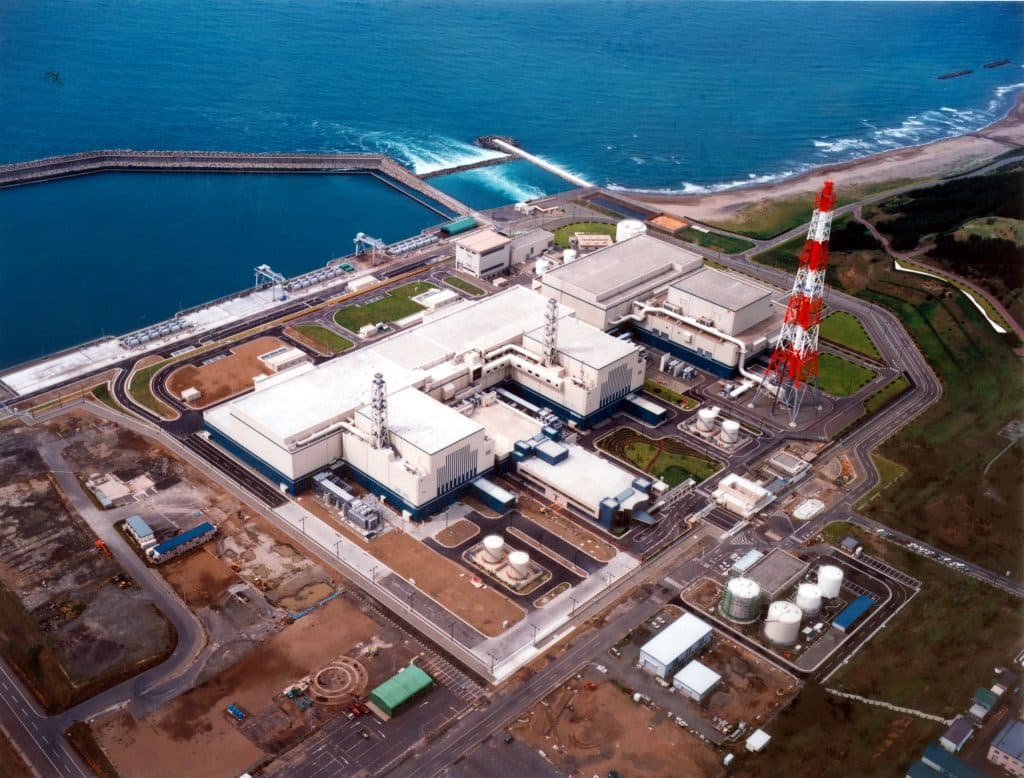
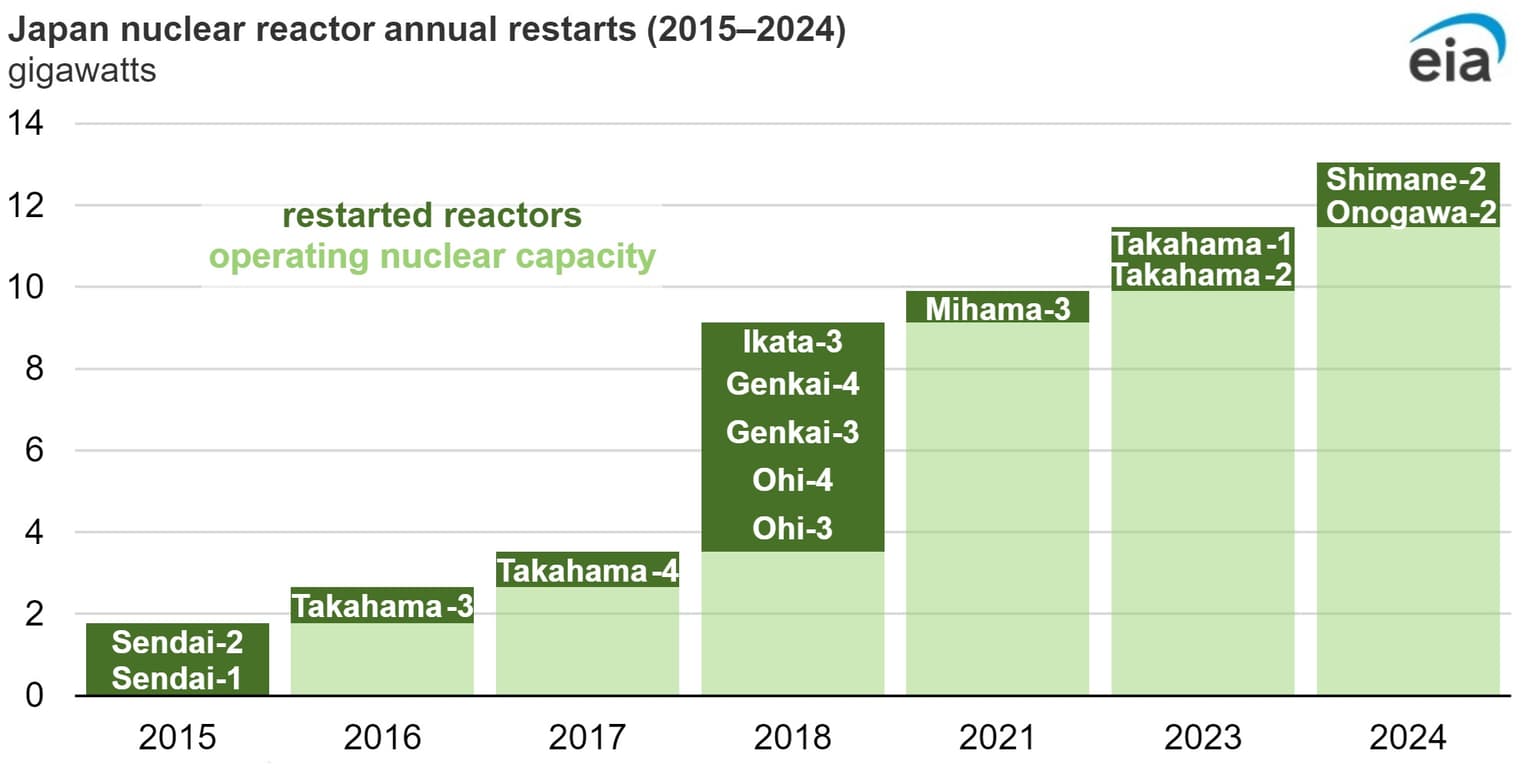
Japanese power companies continued restarting additional nuclear units last year, after they were shut down following the accident at the Fukushima nuclear power plant. After the 2011 disaster, Japan began gradually shutting down all its nuclear reactors, and only some have returned to operation so far. One of the units that resumed operation last year was unit 2 at the Onagawa nuclear power plant. It was the plant closest to the epicenter of the earthquake that triggered the devastating tsunami in 2011.
Japan continues to bring its original nuclear reactors back online. They were shut down between 2013 and 2015 for mandatory safety inspections and upgrades required in the wake of the March 2011 accident at the Fukushima Daiichi nuclear power plant. Before the accident, which was caused by an earthquake and the subsequent tsunami, Japan operated a total of 54 nuclear units. With installed capacity of around 40 GW, they supplied roughly 30% of the country's electricity consumption.
After March 2011, however, Japan gradually shut down all its nuclear units, and efforts to restore their operation are still ongoing. The first units to be restarted, in 2015, were units 1 and 2 at the Sendai nuclear power plant. Bringing units back online is a slow process. According to the U.S. Energy Information Administration (EIA), a U.S. government agency, tighter safety inspections and permitting processes, as well as ongoing court proceedings in some regions amid heightened public concern, have delayed the return of additional units to operation.
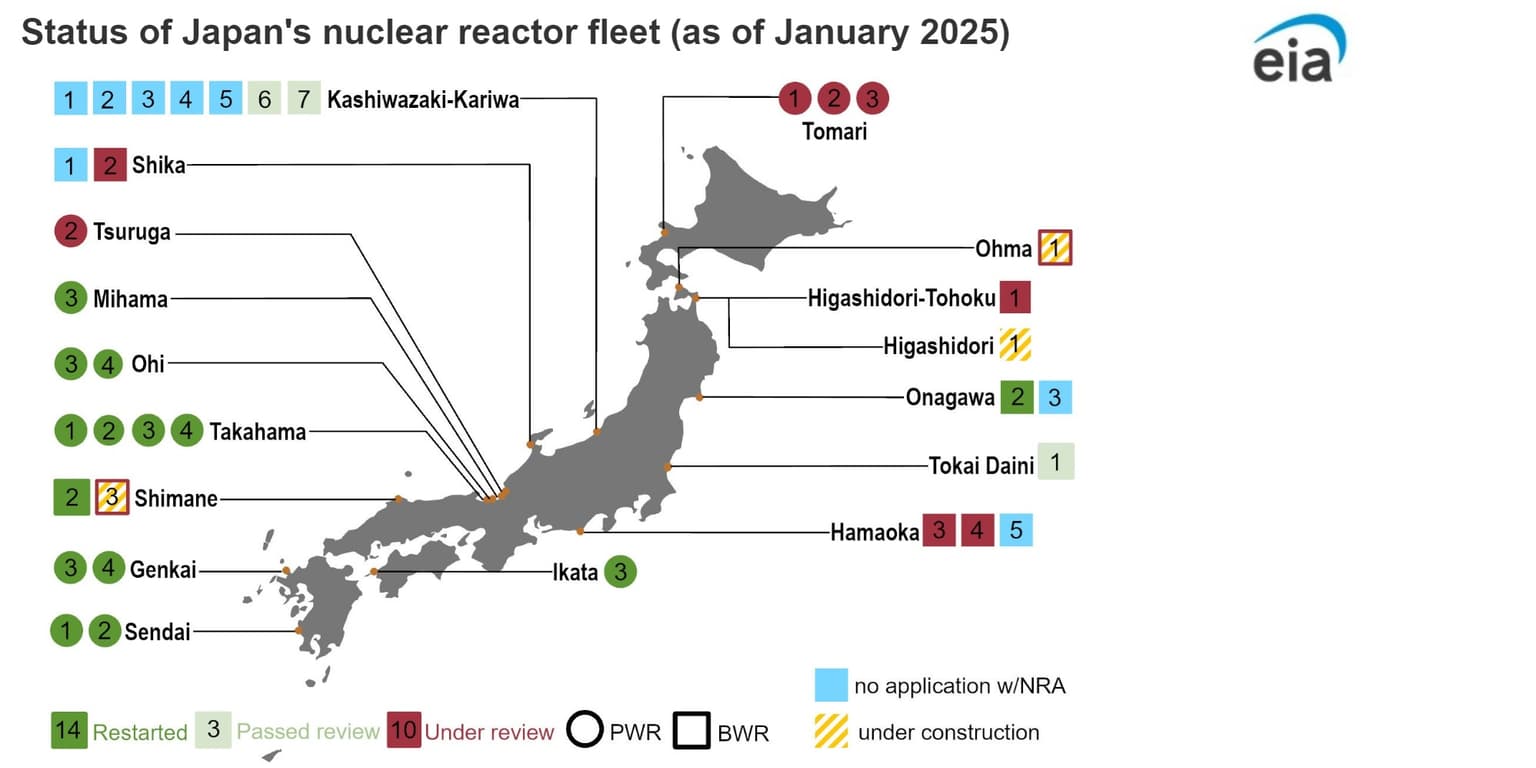
As part of the current restart process, local governments and prefectures are also consulted after regulators grant approval. In addition to the 14 units already restarted, three more units have received approval to resume operation, according to the EIA: units 6 and 7 at the Kashiwazaki-Kariwa nuclear power plant and one unit at the Tokai Daini nuclear power plant. These have not yet been brought online. Regulators are continuing to review the possible return to operation of a further 10 units.
Japan's government expects further reactor restarts
Restarting nuclear units is helping Japan reduce its dependence on fossil fuel imports, which have made up for the shortfall in electricity generation for more than 10 years. Under its 2021 energy plan, the government is targeting a 20% to 22% share of nuclear power in electricity generation by 2030. A draft of the next revision to the long-term energy plan envisages a 20% share by 2040. In 2023, nuclear power accounted for just 6% of the country's electricity generation.
Translation disclaimer
This article is a machine translation of the Czech original and has not yet been fully reviewed. In case of any doubt, please refer to the Czech version.




