15 October 2026, 10:01
Loading...
Merz called the end of nuclear power in Germany a mistake, but irreversible

oEnergetice.cz, ČTK
10 March 2026, 16:53
German Chancellor Friedrich Merz considers the end of nuclear power generation in Germany a mistake. However, he said, it is an irreversible step. He made the remarks today at a press conference following talks with Czech Prime Minister Andrej Babiš.
At the press conference, Merz was responding to a journalist’s question about whether he agreed with European Commission President Ursula von der Leyen. At a Paris summit on the civilian use of nuclear energy today, she said she considered it a “strategic mistake” that Europe had “turned its back on a reliable and affordable source of low-emissions electricity.” Merz said he personally shared this view. “The decision is irreversible. I regret it, but that’s how it is,” he added.
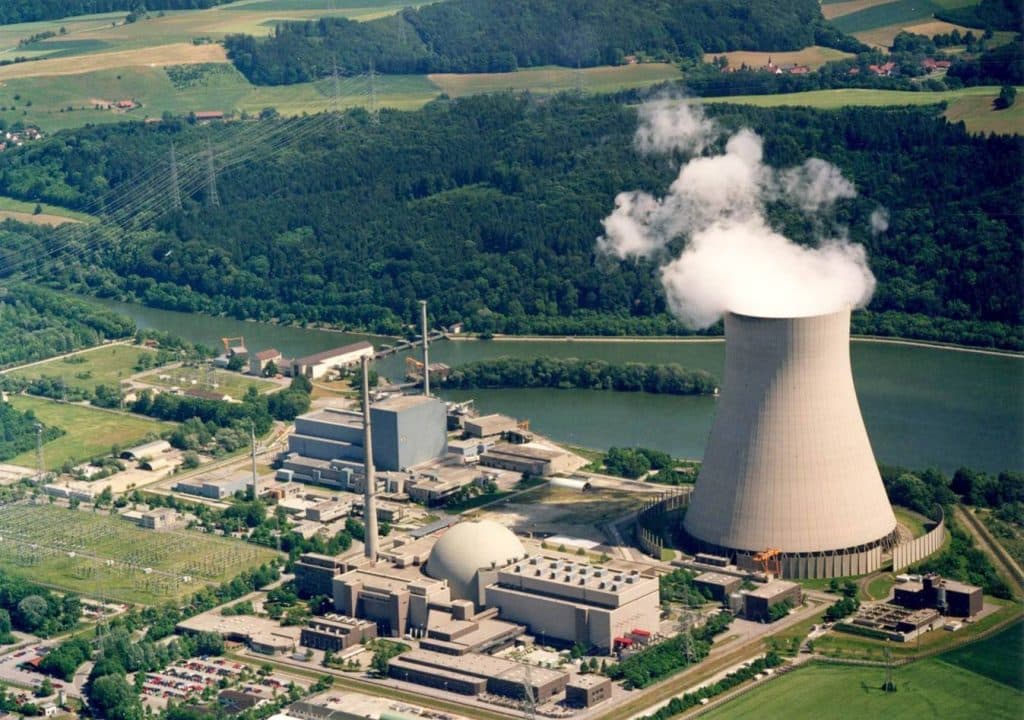
The decision to end nuclear power generation in Germany was originally made in May 2011 by the government of Chancellor Angela Merkel of the Christian Democratic Union (CDU), of which Merz is also a member. It was prompted by the nuclear accident in Fukushima, Japan, that same year. Germany disconnected its last three nuclear power plants from the grid in 2023, ending nuclear power generation after more than 60 years. The Czech Republic continues to include nuclear power in its energy mix.
At the press conference, Merz said Germany is now focusing on optimising its energy policy and that its electricity grids also need to be expanded. He said Prime Minister Babiš had also called for this during their talks.
Translation disclaimer
This article is a machine translation of the Czech original and has not yet been fully reviewed. In case of any doubt, please refer to the Czech version.
Sdílejte článek prostřednictvím:
You might also like
14 October 2026, 18:45
14 October 2026, 15:00