European Commission eases pressure on oil and gas importers, delays methane obligations by a year

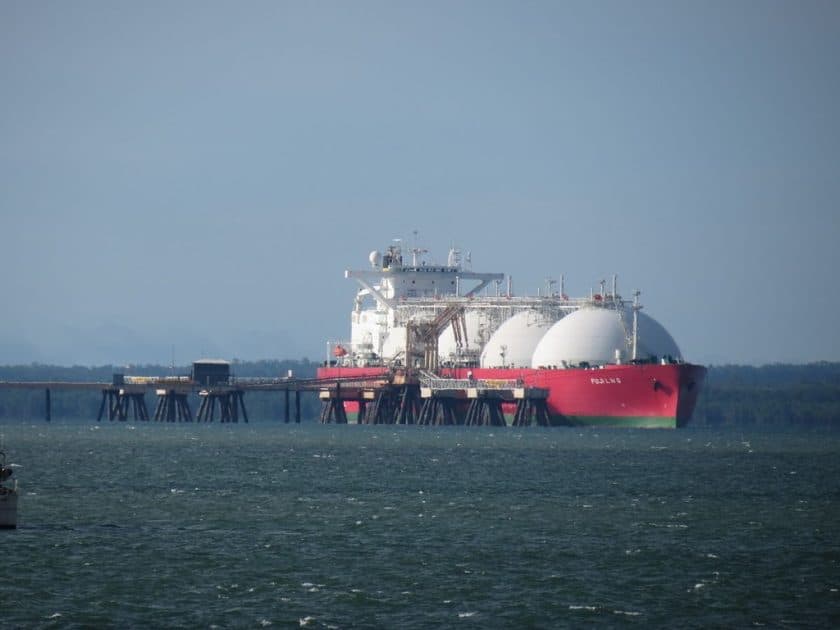
Brussels, Oct. 14 (CTK correspondent) - The European Commission has proposed a one-year delay to key methane regulation obligations for imported oil and gas. The Commission announced the move in its statement. The Czech Republic was among those seeking a delay, later winning the support of 19 other countries, including Germany. Prague pushed for a delay of up to three years, while France proposed one year. Czech Prime Minister Andrej Babiš welcomed the Commission's decision.
The methane regulation introduces stricter rules on methane emissions from oil and gas production and imports into the European Union. Czechia and other countries called for the entire regulation to be delayed, warning that the new obligations for companies could disrupt oil and gas supplies. Until now, the EU executive had only recommended that countries delay penalties for breaches of the rules by three years.
"This is an important result for the Czech Republic. Our companies need affordable energy so they can produce, invest and provide people with jobs," Prime Minister Babiš said.
"Households cannot be left without gas ahead of winter. We cannot allow Europe to make things even worse for them with rules suppliers are not prepared for," he added.
The EU regulation on methane emissions in the energy sector entered into force in August 2024, and its various obligations are being phased in. Rules due to take effect on Jan. 1, 2027, would require foreign oil and gas suppliers to the EU to monitor and report methane emissions. This was the part that prompted concern among some member states, which said there were not enough meters and independent verifiers in third countries. Methane is the second most significant greenhouse gas contributing to global climate change, after carbon dioxide.
The Czech Republic raised the issue as early as spring. In April, Czech representatives and other countries submitted a so-called non-paper to the European Commission calling for key obligations for importers to be delayed. Babiš later wrote to European Commission President Ursula von der Leyen. Concerns have meanwhile grown amid the energy crisis that followed the outbreak of conflict in the Middle East and the disruption of shipping through the Strait of Hormuz. Some member states warned that strict import requirements could complicate or increase the cost of bringing gas and oil into the EU at a time of tight energy markets.
Translation disclaimer
This article is a machine translation of the Czech original and has not yet been fully reviewed. In case of any doubt, please refer to the Czech version.