
23 October 2026, 14:38
Loading...
Moltex reactor can burn spent nuclear fuel

Jiří Puchnar
10 October 2024, 10:48
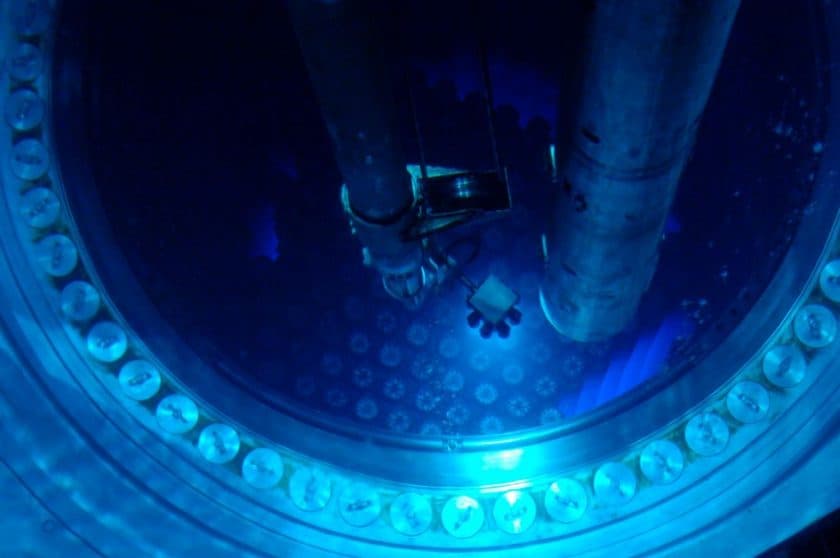
Moltex Energy Canada has announced that the results of new research confirm the “unique capability” of its Stable Salt Reactor-Wasteburner (SSR-W) to dispose of spent nuclear fuel. The research supports the development of a reactor that can “significantly reduce the amount of nuclear waste while also producing clean energy”.
The peer-reviewed research paper “demonstrates the SSR-W’s ability to consume most of the transuranic (TRU) elements present in used fuel bundles from Canadian CANDU reactors”. The reactor is being developed in cooperation with teams from New Brunswick, Ontario, the United Kingdom and the US.
Radioactive transuranic elements are produced during nuclear fission and can have half-lives of thousands of years (or much longer). Unlike in power reactors, where these elements gradually accumulate in the core, the SSR-W is designed to burn them as fuel, offering an innovative approach to reducing nuclear waste.
Fuel cycle modelling and recycling
The paper presents the results of this proposed fuel cycle and shows that repeated fuel recycling can achieve a steady state in which the concentration of all actinides decreases as they are burned in the reactor, allowing actinide burning to continue indefinitely. The combination of actinide burning in the reactor and the separation of most fission products during the recycling process significantly reduces waste volume and radiotoxicity, while producing useful thermal energy.
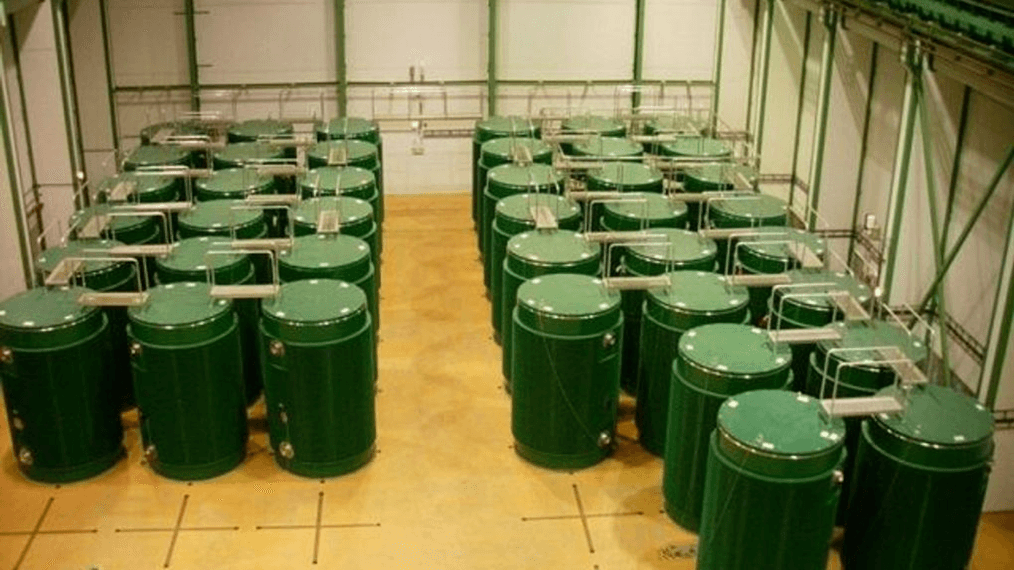
Interim storage facility at the Temelín nuclear power plant. Source: ČEZ
The research also demonstrates the flexibility of the fuel cycle, enabled by the recycling process, refuelling while the reactor is operating and the chemical composition of the fuel salt, which allows the conversion ratio to vary.
The research concluded that the 1200 MW thermal SSR-W fast salt reactor eliminates 425 kg of actinides a year, or approximately 25 metric tonnes over its lifetime. The fuel salt composition and isotopic vector change over time until equilibrium is reached. At this point, transuranics from recycled CANDU fuel need to be added in an amount equal to the TRUs transmuted. Equilibrium is also reflected in the composition of the isotopes produced, with the proportion of plutonium-239 significantly lower than in used fuel from CANDU reactors.
Moltex’s conclusions and plans
“The SSR-W was specifically designed to efficiently reuse and burn recycled nuclear waste,” said Moltex CEO Rory O'Sullivan. “This groundbreaking research, the result of years of collaboration, clearly demonstrates this capability.”
“We already have fuel resources available in storage facilities at nuclear power plant sites across the country. We can use these resources to produce clean energy for many years to come,” O'Sullivan added.
Moltex is developing three unique technologies:
- The SSR-W reactor, which uses recycled nuclear waste as fuel
- The WAste To Stable Salt (WATSS) process for recycling nuclear waste to produce fuel for the SSR-W
- GridReserve thermal energy storage units, which will allow the SSR-W to operate as a peaking power plant as well
The company plans to deploy the first WATSS unit near the existing Point Lepreau nuclear power plant in New Brunswick, where it also plans to bring the first SSR-W online by the early 2030s. The existing CANDU reactor at the Point Lepreau site is likely to be permanently shut down around 2040.
Translation disclaimer
This article is a machine translation of the Czech original and has not yet been fully reviewed. In case of any doubt, please refer to the Czech version.
Sdílejte článek prostřednictvím:
You might also like


23 October 2026, 11:01


23 October 2026, 06:34