Discussion about our electricity sector is dominated by questions such as “whether and how to protect coal-fired power plants”, and we rely heavily on building nuclear capacity. The notion is gradually taking hold in public debate that, alongside the new Dukovany units, we will achieve this through small modular reactors. Yet the debate around them somewhat resembles that about the Yeti – everyone talks about it, but (almost) no one has seen it (except in China and Russia).
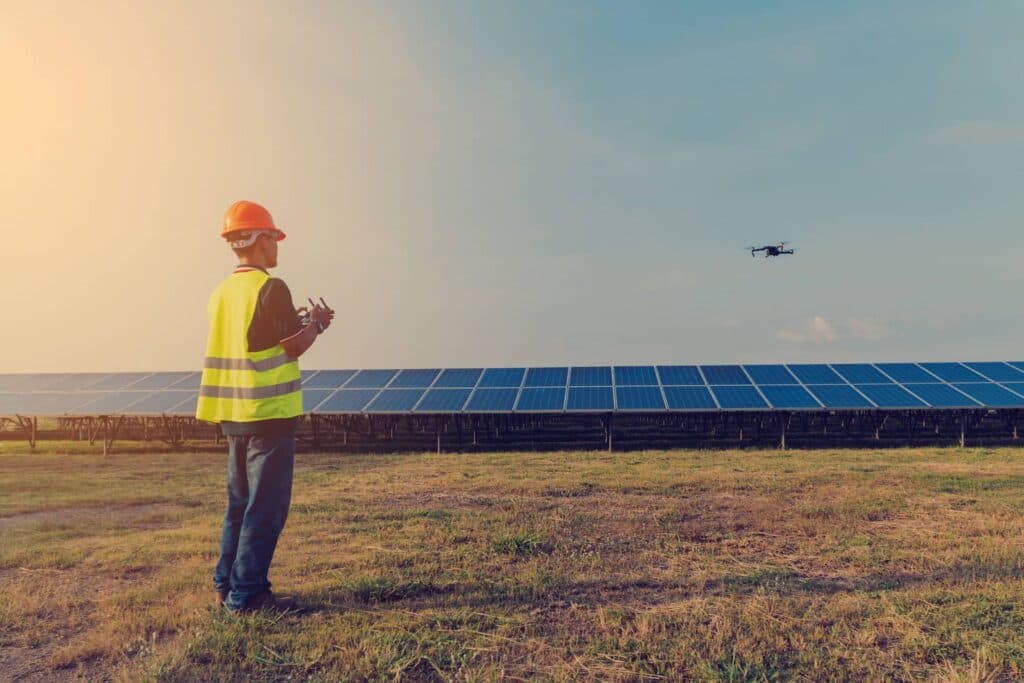
Meanwhile, we are letting slip the opportunity to invest in technologies that already exist and are cost-effective. While in Brussels we jointly pushed through an obligation for states to ensure permits for strategic investments (including renewables, of course) within one year, the reality remains that it is still almost impossible to implement these projects. This is particularly tragic in the case of wind farms, which we urgently need for a balanced energy mix.
The fact that the government (especially the previous one) ignored its commitment to modernise our energy legislation means that the development of storage and aggregation is only now getting under way, with considerable delay. These technologies make it possible to use renewable energy capacity more efficiently and reduce electricity prices.
The planned state support worth tens of billions for converting district heating to natural gas also raises doubts – as if there were no ways to reduce heat consumption or technologies such as the use of waste heat or heat pumps, which can reduce the need for fossil-fuel heating.
Apart from complaining about the “Green Deal”, the energy debate in Czechia is dominated by a nuclear future that is not expected to materialise for many decades. And there are no doubts about it, which contrasts with the fact that, “here and now”, we are unable to sufficiently support the investments we need within a timeframe of a few years, and around which there is far less uncertainty.
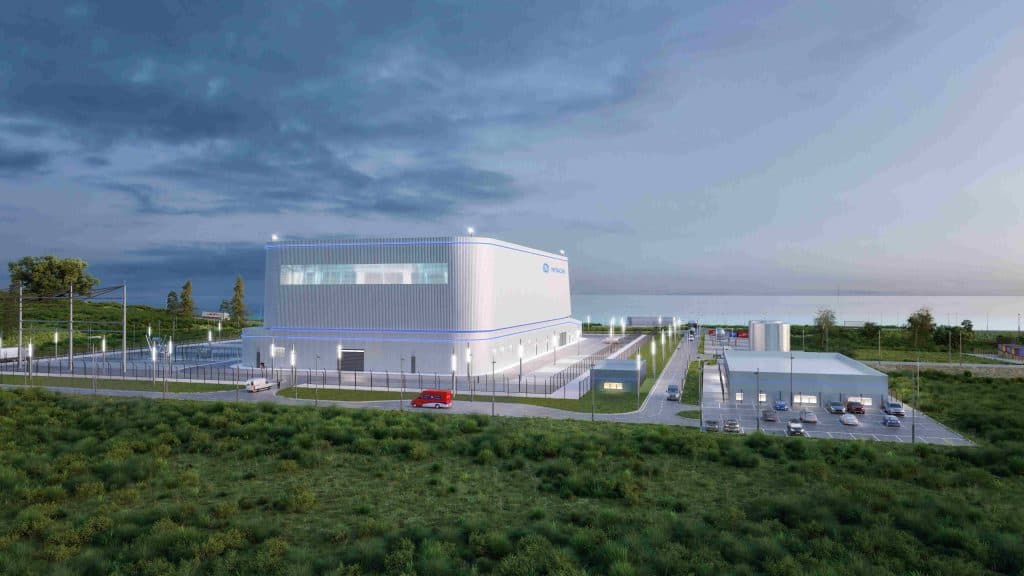
Yet what can (and cannot) be expected from modular reactors (not all of them are as small as some people imagine) was recently outlined, for example, by a representative of Rolls-Royce, one of the favourites to build them in Czechia. Incidentally, the Czech semi-state-owned utility ČEZ has also invested in this company.
The earliest date for the start of the first construction project is estimated at 2032, while the price of electricity from the first installations will be higher than from large units and, even at current levels, will be at best around €100 per MWh. That is not far from the market price for next year, but while the market price is falling (below €80 in subsequent years), the price of nuclear power is expected to rise.
I am not saying that this is “mission impossible”, but we should get our priorities in order. The indisputable and major priority is supporting the transformation of our electricity sector into a “post-coal world”. And of course, we must do everything to ensure that electricity is as cheap as possible here (including strengthening interconnections), while ensuring security of supply.
An emphasis on nuclear power will not help us with any of these priorities, because nuclear plants represent only one of the ways in which the energy sector may develop over the next one to two decades. And certainly not the only one.
In recent weeks, an opportunity has emerged to accelerate otherwise rather faltering nuclear development. It comes in the form of strong demand for electricity from technology companies in the US that intend to operate large AI facilities or data centres. Given the highly fragmented US power system, they face the question of where to obtain the energy. For a private investor operating a huge IT centre running around the clock, the logic of a nuclear source makes sense. And these investments are apparently not as price-sensitive as elsewhere.
However, uncertainty over this technology’s electricity consumption is considerable. It is not only a question of how great demand for it will be, but also of the development of the technologies themselves – chips and algorithms alike. The emergence of China’s DeepSeek AI showed that assumptions in both these areas can change very quickly.
It remains a question how great the demand could be from customers capable of privately financing the development, construction and operation of a nuclear unit at a scale that would enable the emergence of a technology able to compete on price with other sources (which, as is clear, is by no means easy).
For, as many examples show, such demand could fundamentally advance development. Betting on AI, for instance, generating such demand would be bold. And a renaissance of nuclear technologies through the standard route of demand for power plants from companies operating in the energy sector has simply not been happening for several decades, outside China (which, however, is investing massively mainly in an energy system based on renewables).