
23 October 2026, 14:38
Loading...
Political tensions in South Korea will not affect construction of Czech Dukovany units, says KHNP chief

oEnergetice.cz, ČTK
25 January 2025, 19:23
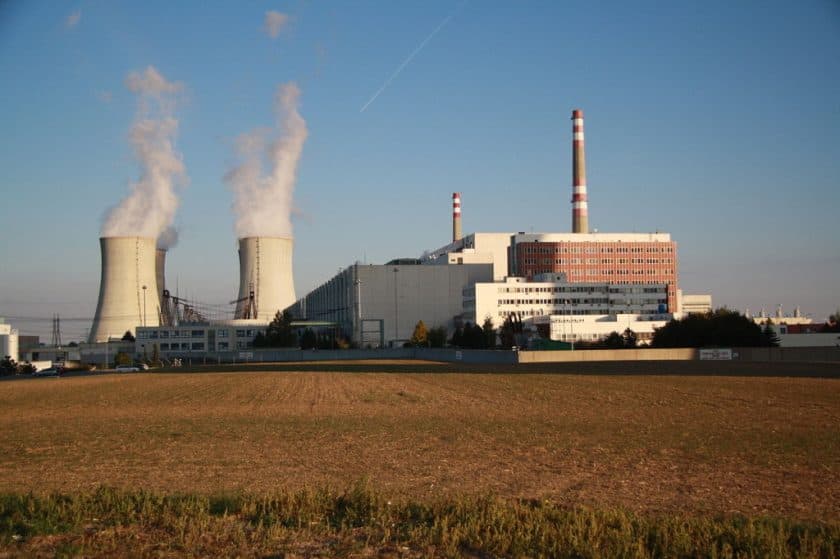
The tense political situation in Korea will have no impact on the planned construction of new nuclear units at the Dukovany power plant. The project has the support of both the Korean government and the opposition, KHNP CEO Chu Ho-wang said in an interview with Czech Television broadcast today. The Korean company won the tender to build the new nuclear units, and a final agreement with Czech energy company ČEZ. is expected to be signed in March.
The political crisis in South Korea erupted on December 3 last year, when President Yoon declared martial law, citing the opposition’s alleged sympathies toward North Korea and alleged anti-state activities by opposition figures. Just hours after martial law was announced, however, parliament opposed the president’s move, and the government eventually lifted the emergency measures. On December 14, the opposition-controlled parliament suspended Yoon from his presidential duties and is seeking to remove him from office.
The KHNP chief said he was confident the political situation in the country would soon stabilize. He also stressed that developments would have no impact on the Dukovany project. “The government and opposition parties agree on the importance of the project. There is political will and support for the Czech project across the political spectrum,” he said.
Chu Ho-wang also highlighted the resolution of a dispute with US company Westinghouse, which had legally challenged the Koreans’ right to use the technology they also offered in the Czech tender. He declined to discuss the details of the agreement, citing commercial confidentiality. However, he acknowledged that Westinghouse could take part in the construction at Dukovany, as it did as a subcontractor when KHNP built a nuclear power plant in the United Arab Emirates.
The KHNP chief did not specify the extent to which Czech companies would be involved in building the plant, saying only that it would be “significant”. He has previously said that Czech industry could account for 60 percent of the contract. He told Czech Television that KHNP was in talks with around 200 Czech companies about the possibility of becoming suppliers, and had signed agreements on future cooperation with 50 of them.
In an interview published on Friday by the Seznam Zprávy news website, Chu Ho-wang nevertheless said it was unlikely that Czech companies would also supply components for the plant’s nuclear island, or primary circuit. He said this would require massive investment from Czech companies, which would be made solely for the two Dukovany units, meaning they would probably not recoup the money invested.
The first of the new reactors at Dukovany is scheduled for completion in 2036. At current prices, the cost of the currently preferred option of building two reactors is around 400 billion crowns.
Translation disclaimer
This article is a machine translation of the Czech original and has not yet been fully reviewed. In case of any doubt, please refer to the Czech version.
Sdílejte článek prostřednictvím:
You might also like


23 October 2026, 11:01


23 October 2026, 06:34