22 September 2026, 14:20
Loading...
Russia plans two more nuclear icebreakers with smaller, lighter and more powerful reactors

Jiří Puchnar
1 November 2019, 11:04
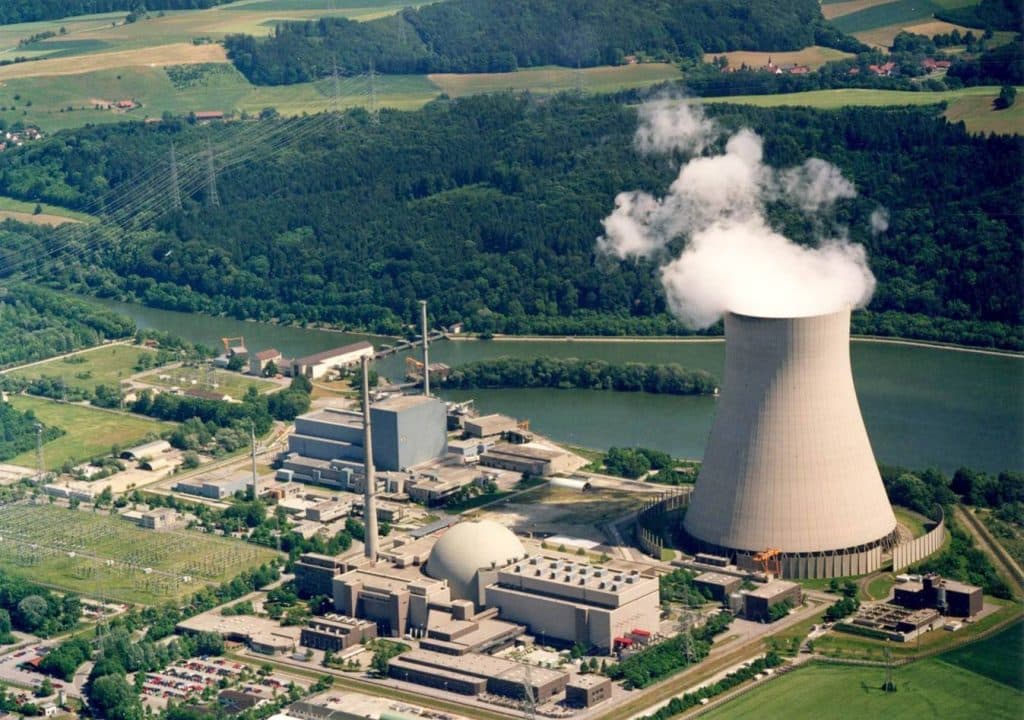
Atomenergomash, the engineering division of Russia's Rosatom, has signed a contract to supply RITM-200 reactors for two more nuclear icebreakers under Project 22220. The contract was signed between OKBM Afrikantov, an Atomenergomash subsidiary, and Baltic Shipyard.
The new vessels will join the LK-60 icebreakers Arktika, Sibir and Ural, which will be capable of breaking through ice up to three metres thick. Each of these icebreakers is equipped with two RITM-200 reactors.
The reactor delivers thermal output of 175 MW and electrical output of 60 MW, which will be transmitted to the propeller via two turbogenerators and three motors. Official commissioning of the originally planned icebreakers is expected over the next 3 years (Arktika 2020, Sibir 2021 and Ural 2022).
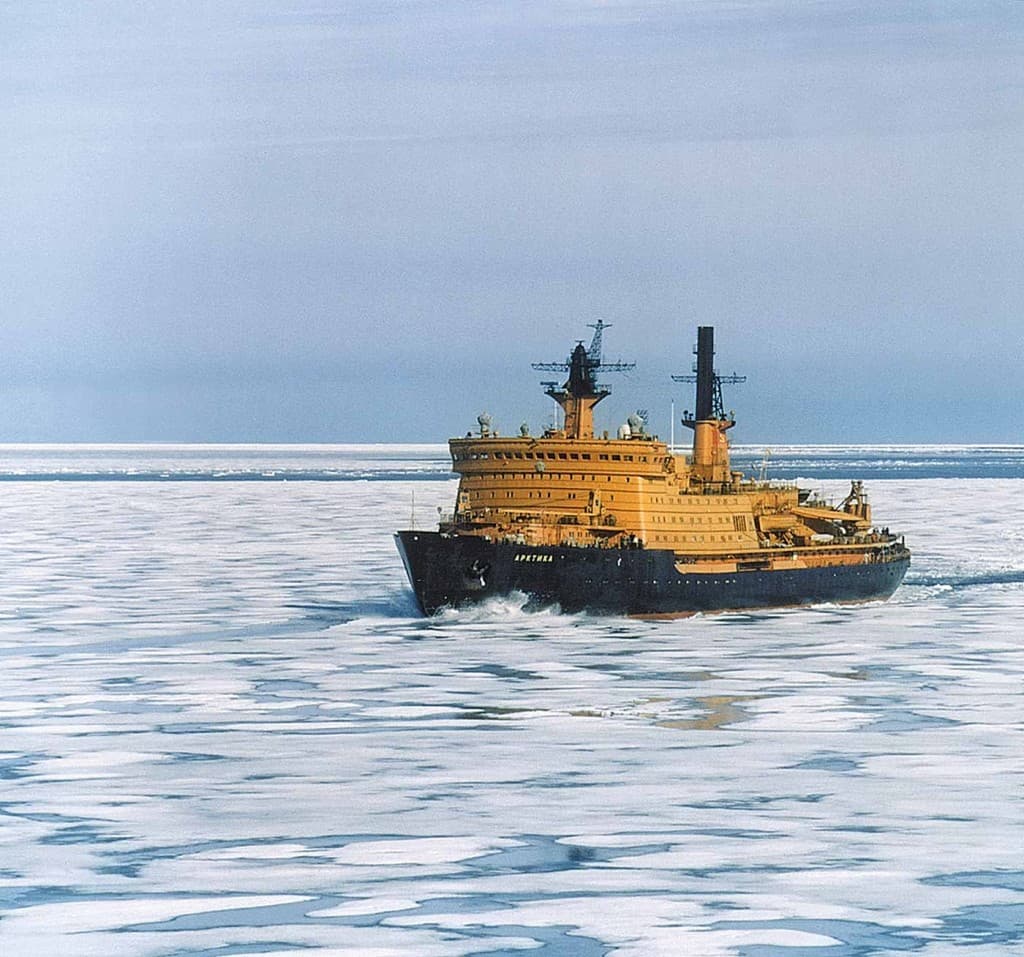
Ural was the last of the three icebreakers announced by Baltic Shipyard on 25 May 2019 in St Petersburg. At the launch ceremony, Rosatom Director General Alexey Likhachev said that Russia planned to add two more icebreakers by 2027 under Project 22220. The contract for their construction was subsequently signed by Atomenergomash and Baltic Shipyard in August.
“Last year, we successfully completed production of the reactors for the first three icebreakers under the RITM-200 project. Thanks to the efforts of our scientists, they are unique and enable significant improvements in the design of nuclear-powered vessels, making them more powerful and efficient,” said Andrey Nikipelov, CEO of Atomenergomash.
Smaller, lighter, more powerful
The RITM-200 reactor has an “energy-efficient integrated layout”, in which the main components are housed directly within the steam generator vessel, Rosatom said. This solution makes the reactor unit twice as light, 1.5 times more compact and almost twice as powerful compared with reactors used in KLT-series icebreakers.
A single RITM-200 reactor fuel load is equivalent to 540,000 tonnes of Arctic diesel fuel, enabling 7 years of operation on one fuel cycle.
Lead photo source: Rosatom
Translation disclaimer
This article is a machine translation of the Czech original and has not yet been fully reviewed. In case of any doubt, please refer to the Czech version.
Sdílejte článek prostřednictvím:
You might also like
22 September 2026, 12:50
22 September 2026, 06:09
21 September 2026, 15:25