3 October 2026, 13:01
Loading...
Sizewell C seeks investors, new financing model has yet to attract interest

Martin Voříšek
19 September 2023, 11:39
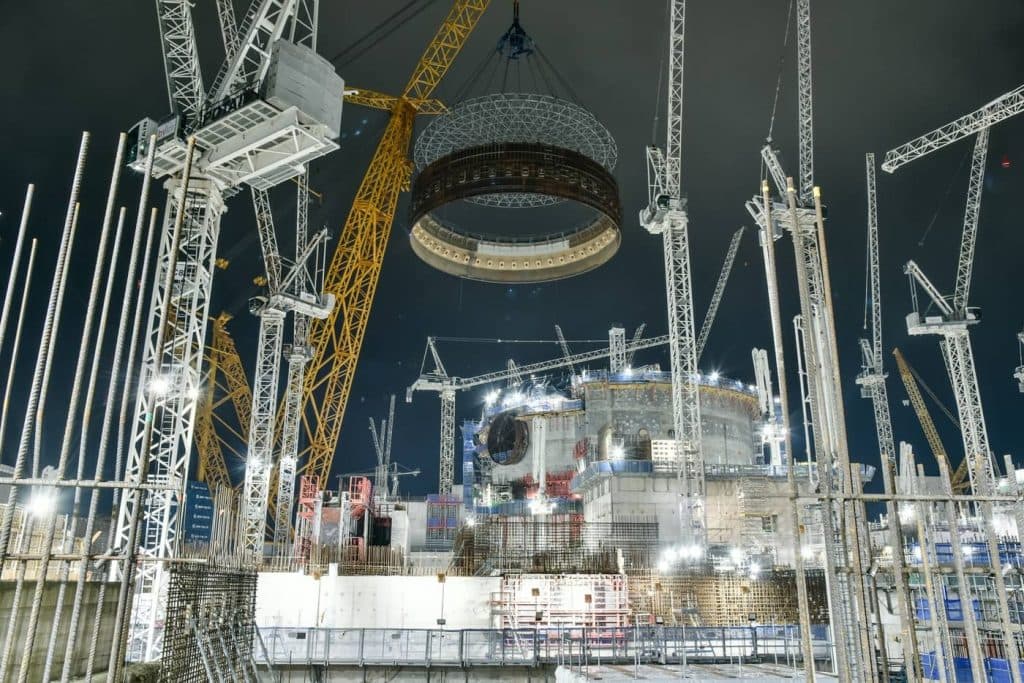
The UK government has launched a process to find an investor for the Sizewell C nuclear power plant. Interested parties have been able to apply since the start of this week. The government is seeking to attract investors primarily with a new financing model, the so-called regulated asset base (RAB) model.
The UK is continuing preparations for the construction of the Sizewell C nuclear power plant. It is set to be the second nuclear power plant following a more than two-decade hiatus in construction. The first is Hinkley Point C.
Like the aforementioned Hinkley Point C, Sizewell C will generate electricity using two EPR reactors supplied by France's EDF. Although a final investment decision has not yet been made, it cannot be expected before 2025. Once commissioned, the plant is expected to supply electricity to around 6-7 % of British households for up to 60 years.
Before construction can begin, however, an investor for the project must be found. It is expected to take a stake of up to 60 %. The remaining 40 % is to be split equally between EDF and the UK government.
Translation disclaimer
This article is a machine translation of the Czech original and has not yet been fully reviewed. In case of any doubt, please refer to the Czech version.
The article continues for subscribers
Premium content
The rest of this article is available to premium subscribers only. Get access to all premium articles on oEnergetice.cz.
You have read only 39% of the article — unlock the remaining 61% with a premium subscription.
Best value: annual subscription
Monthly option 4 € / month
3.25 €/ month
You might also like
3 October 2026, 07:43

2 October 2026, 21:55

2 October 2026, 15:14