
23 October 2026, 14:38
Loading...
Söder's plans for nuclear cooperation with Czechia face criticism in Bavaria

oEnergetice.cz, ČTK
12 December 2024, 13:31
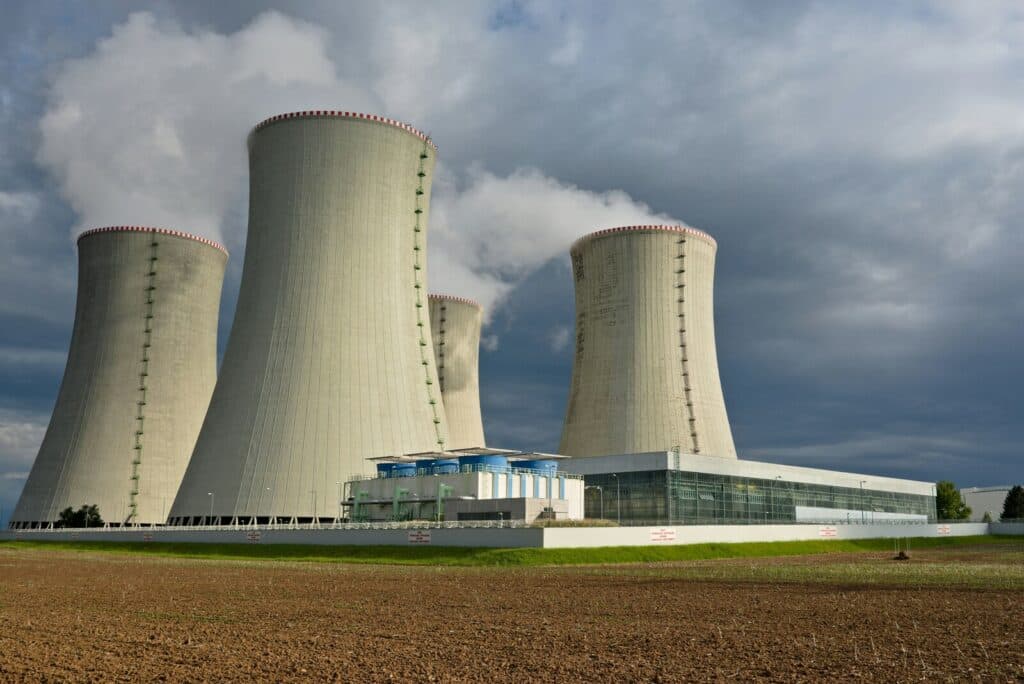
Berlin/Munich, 12 December (CTK correspondent) – Bavarian premier Markus Söder's plans to discuss cooperation in nuclear energy with Czech Prime Minister Petr Fiala during his visit to Prague today have drawn criticism in Bavaria. The opposition Greens have called them dangerous. An energy expert quoted by DPA today said the announced plans were unrealistic.
Before travelling to Czechia, Söder said he wanted to discuss the development of friendly relations between the two countries and cross-border cooperation with Fiala in Prague. He placed particular emphasis on nuclear energy, even speaking of creating a „nuclear alliance“. He said he wanted to secure electricity supplies for Bavaria from Czech nuclear power plants. „We want to discuss the possible use of Czech nuclear energy to ensure better supply and stabilise the grid – perhaps through privileged access to electricity,“ he said.
In return, Bavaria could then enter into a security technology partnership with Czechia, according to Söder. „That means we will offer our know-how and create the possibility of supplying cheap CO2-free electricity, primarily to Bavaria,“ he added.
Energy expert Felix Matthes of the Öko-Institut research institute in Freiburg, who was contacted by DPA, said Söder's plans for „privileged access“ were unrealistic. „It won't work: not technically, not in terms of the market, and not legally,“ he said. Governments neither buy nor sell electricity in the EU internal market, he said. „Prices and volumes are negotiated on the exchange,“ he said. According to Matthes, supplies from Czechia to Germany are therefore the result of how the market works, not of „some political agreements“.
As expected, Söder came in for criticism from the Bavarian Greens. State parliament member Toni Schuberl expressedconcerns about Czech nuclear power plants. „If the Temelín nuclear power plant explodes, the Bavarian Forest will be in a death zone. If Söder backs it too, this risk will increase massively,“ he added.
Environmental organisations also came out against a possible „nuclear alliance“. „Nuclear energy was and remains dangerous, and the question of how to deal with nuclear waste remains unresolved,“ said Martin Geilhufe, a representative of the Bund Naturschutz environmental organisation. „Bavaria does not need a partnership with Czech reactors that belong in the scrap heap,“ said Saskia Reibeck, an energy expert with the Bavarian branch of environmental group Greenpeace.
Bavarian MP Martin Behringer, a member of the Free Voters (FW) party, which governs alongside Söder's Christian Social Union in Bavaria, also opposed Söder's plan. Instead of agreements „that nobody needs“, renewable power plants should be built faster, he said. „If something happens at Temelín, and they have plenty of malfunctions there, our entire region, the whole Bavarian Forest, will be wiped out,“ he said. During his visit to Prague today, Söder should discuss the planned radioactive waste repository with Fiala instead, Behringer said. „The Czechs aren't showing their cards here,“ the MP said.
However, Klaus Holetschek, leader of the CSU group in the Bavarian state parliament, rejected the criticism, saying Bavaria needed safe and cheap electricity. Czechia also plans to use nuclear energy, „whether we like it or not“. According to Holetschek, Prague takes the safety of its reactors very seriously. And thanks to good relations, Bavaria can raise its objections in Prague.
Germany disconnected its last nuclear power plant from the grid last April, ending more than 60 years of nuclear power generation. Former Chancellor Angela Merkel began the phase-out of nuclear energy in response to the accident at the Fukushima nuclear power plant in Japan in March 2011. After the last plant was shut down, Söder called the move a „fatal mistake“ and said Bavaria wanted to continue operating nuclear power plants under its own responsibility. Last May, after a meeting of the state cabinet attended as a guest by Czech Prime Minister Fiala, he said Bavaria wanted to focus more on nuclear fusion research. Fiala added at the time that Czechia was interested in cooperation across all areas of nuclear research.
In connection with the debate on nuclear energy in Bavaria, broadcaster BR's website noted that the southern German state now generates a record amount of electricity from renewable sources – more than 70 per cent of its total consumption.
Translation disclaimer
This article is a machine translation of the Czech original and has not yet been fully reviewed. In case of any doubt, please refer to the Czech version.
Sdílejte článek prostřednictvím:
You might also like


23 October 2026, 11:01


23 October 2026, 06:34