
23 October 2026, 14:38
Loading...
South Korean KHNP signs first binding agreements with Czech firms for Dukovany

oEnergetice.cz, ČTK
7 May 2025, 16:13
South Korean company KHNP today signed its first binding agreements on future cooperation with Czech firms in Prague for the construction of nuclear units in Dukovany. Industry and Trade Minister Lukáš Vlček (STAN) told reporters that the contracts guarantee Czech firms a 30% share of the project. The overall target of 60% involvement by domestic industry remains in place.
KHNP won last year’s Czech nuclear tender, with the government preferring its bid to those submitted by EDF and Westinghouse. The first unit at Dukovany is expected to be completed in 2036. Construction of new nuclear units in Czechia is expected to be the largest contract in the country’s history. At current prices, the cost of the currently preferred plan to build two reactors at Dukovany is 407 billion crowns.
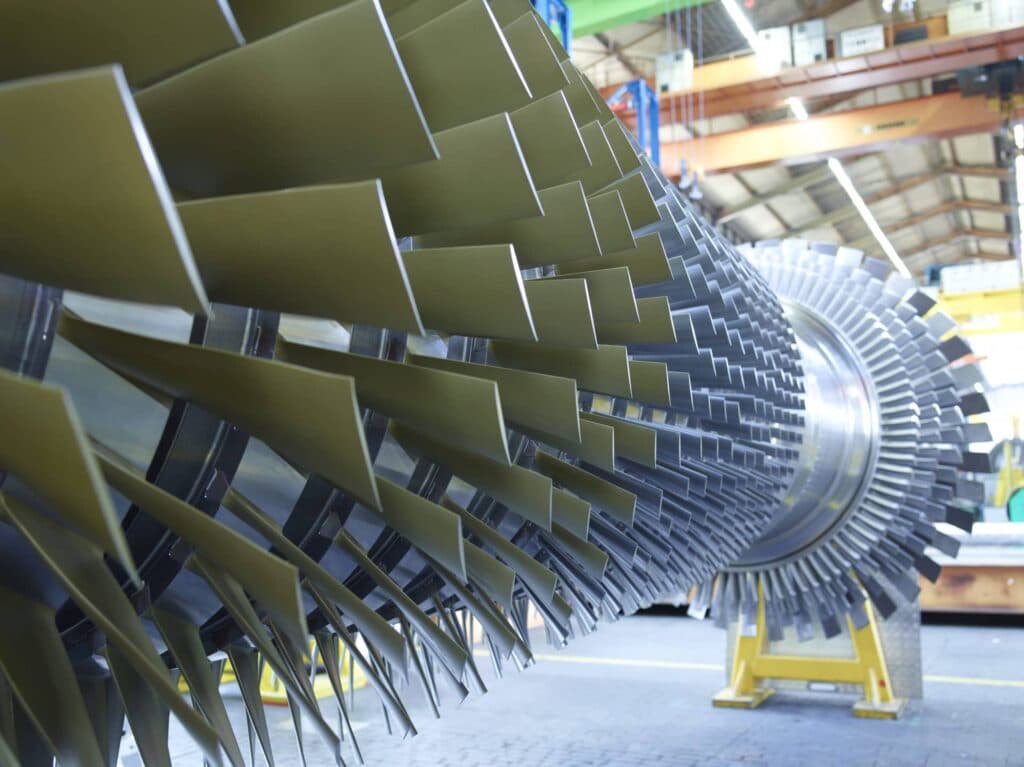
Probably the largest contract was signed today by KHNP and its Korean partners with representatives of Doosan Škoda Power, which is Korean-owned. The Plzeň-based company will supply the steam turbine for the planned reactors and will also provide the turbine hall itself. “This highly technologically demanding part of the project could account for as much as 15 - 20 percent of the total contract value and enable a number of other companies to participate in the Škoda Doosan Power supply chain,” Vlček said.
The Koreans also signed further agreements today with companies including Škoda JS, ÚJV Řež, Mestrostav, OSC, ZAT, Nuvia and I&C Energo. KHNP also signed additional memoranda and contracts. There were 12 agreements in total, nine of them binding. In addition to construction itself, they cover cooperation on licensing individual processes, design and equipment supplies. Two memoranda envisage future cooperation with the Koreans in the battery industry and robotics.
The contracts signed are binding agreements to conclude contracts between the companies in the future. The exact terms of cooperation will therefore be set out in subsequent agreements.
“I am convinced that today’s signatures are concrete proof that the Czech-Korean partnership has, and will continue to have, a real benefit for our economy, employment and technological advancement. We are moving from political declarations to concrete industrial projects with high added value,” Vlček added.
The share of Czech firms in the Dukovany construction project has been the subject of lengthy debate. In its tender bid, the Korean company said it planned to involve Czech firms in up to 60 percent of the overall project. However, this guarantee will not appear in the final construction agreement, raising concerns among representatives of Czech industry. They say that without a binding agreement, there is a risk that Czech firms’ participation in the construction will ultimately be limited.
KHNP’s signing of contracts with Czech firms was originally due to form part of the ceremony to conclude the final agreement on building two nuclear reactors at Dukovany. However, the signing of that agreement has been postponed. On Tuesday, the Regional Court in Brno issued an interim injunction blocking the agreement’s signing. The court acted on a motion by EDF, which challenged in court a decision by the Czech Office for the Protection of Competition (ÚOHS) that the tender had been conducted properly. The court has not yet ruled on EDF’s lawsuit.
KHNP won last year’s Czech nuclear tender, with the government preferring its bid to those submitted by EDF and Westinghouse. The first unit at Dukovany is expected to be completed in 2036. Construction of new nuclear units in Czechia is expected to be the largest contract in the country’s history. At current prices, the cost of the currently preferred plan to build two reactors at Dukovany is 407 billion crowns.
Translation disclaimer
This article is a machine translation of the Czech original and has not yet been fully reviewed. In case of any doubt, please refer to the Czech version.
Sdílejte článek prostřednictvím:
You might also like


23 October 2026, 11:01


23 October 2026, 06:34