1 October 2026, 12:05
Loading...
Study: New nuclear unit would boost the Swiss economy and winter electricity supplies

Jiří Puchnar
20 July 2026, 09:02
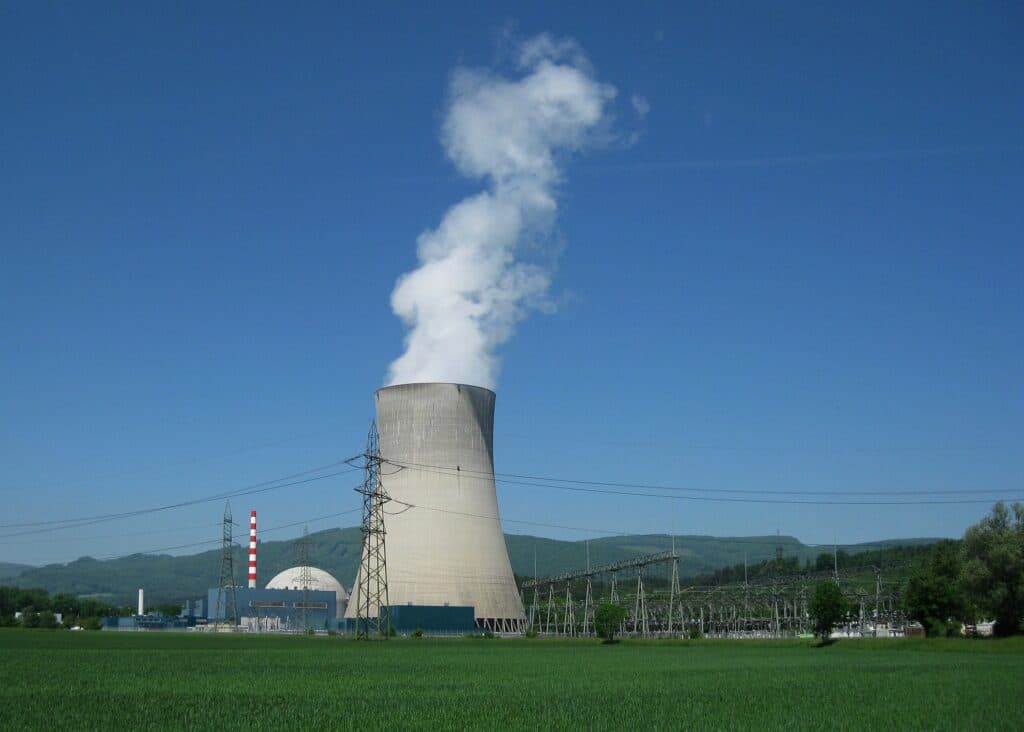
Building a new nuclear unit would help Switzerland limit electricity imports in winter and bring billions in benefits to the domestic economy, according to a study by BAK Economics. However, the project would require state involvement and long-term financial support.The analysis was prepared by the BAK Economics institute for the Swiss business federation Economiesuisse. In its baseline scenario, it assumes the construction of one EPR pressurized-water reactor with a net electrical capacity of 1 630 MW, entering operation in 2050. The power plant would generate approximately 12,1 TWh of electricity per year at an assumed capacity factor of 85 %. Almost 6,7 TWh would be generated in winter, when Switzerland is more dependent on imports. The new unit could therefore cover around 15 % of the country’s expected winter electricity consumption in 2050.
Billions for the domestic economy
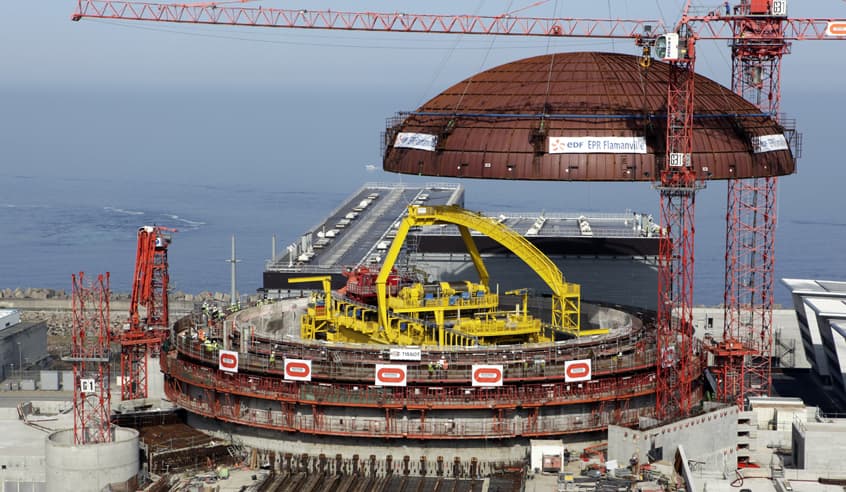
Construction of an EPR at the Flamanville nuclear power plant site. Source: EDF Other cited benefits of a stable domestic source include greater security of supply, reduced winter price fluctuations and lower dependence on electricity imports.
The project would need state support
The study does not assume that the new unit would be paid for solely through electricity sales on the market. It estimates the average cost of electricity generation over the unit’s lifetime at 115,5 CHF/MWh, while the assumed market revenue is based on a price of 64 CHF/MWh in constant 2024 prices. According to the model, public support of approximately 51,5 CHF/MWh, or around 625 million CHF per year, would make up the difference. The model also assumes state involvement in financing, which would help reduce the cost of capital. The result therefore does not mean that a new nuclear unit would be profitable without public assistance. However, the study’s authors say its economic, energy and tax benefits would outweigh the support provided.Costs and political support will be decisive
A separate analysis by experts from ETH Zurich and the Paul Scherrer Institute takes a more cautious view of building new units. It concludes that, under current political and financial conditions, new nuclear power plants would not be competitive in Switzerland without state support, the assumption of some investment risks and a substantial reduction in construction and financing costs. Under current conditions, models without new nuclear units therefore find a combination of photovoltaics, hydropower, other renewables, storage and cross-border electricity trading to be more economically advantageous. According to the models used, a system without new nuclear units would remain dependent on net electricity imports of approximately 5,4 to 12,4 TWh in winter. New nuclear sources could reduce this dependence. In June 2026, the Swiss parliament approved an amendment to the law intended to allow new nuclear power plants to be licensed again. Because opponents of the amendment have called a referendum, voters are expected to decide on lifting the ban probably in 2027. Lifting the ban itself would not constitute a decision to build a specific unit or determine how it would be financed.Translation disclaimer
This article is a machine translation of the Czech original and has not yet been fully reviewed. In case of any doubt, please refer to the Czech version.
Sdílejte článek prostřednictvím:
You might also like
1 October 2026, 10:24
1 October 2026, 06:12