
23 October 2026, 14:38
Loading...
Swedish nuclear plans will cost tens of billions of euros

Eduard Majling
15 August 2024, 18:04
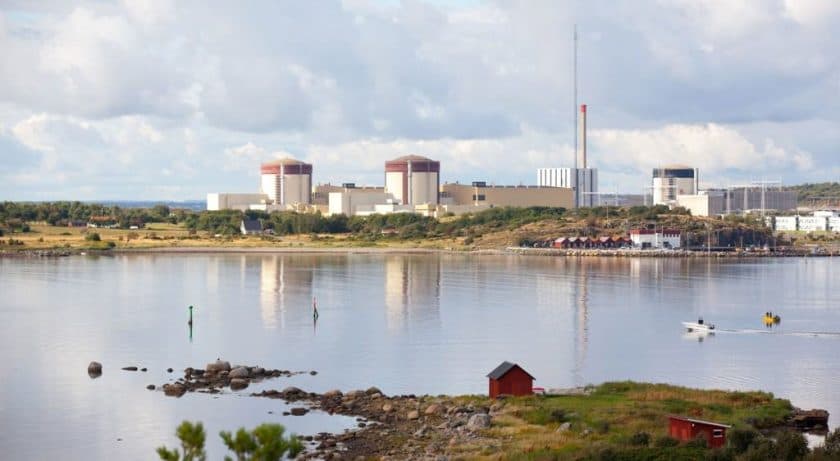
Sweden is one of the EU countries that continues to consider operating nuclear power plants over the coming decades. The country already has several nuclear units, but they do not have an unlimited lifespan and will eventually need to be replaced at a minimum. According to a new study commissioned by the government, building new capacity of 5 GW is expected to cost almost €30 billion. By the middle of the century, however, new nuclear capacity could even double.
After many years of retreat, the energy crisis—accompanied by a sharp rise in natural gas and electricity prices—prompted some European countries to step up discussions on the development of nuclear energy. Czechia is one example: a tender for the construction of a new unit at the Dukovany nuclear power plant was recently evaluated for a new unit. But ambitions to retain nuclear power in the energy mix extend beyond Czechia.
Sweden, which also has decades of experience with nuclear energy, is considering building new nuclear units. A new study published by the government earlier this week puts the expected cost of financing 5 GW of new nuclear capacity at €26 billion, according to Montel.
Preferential interest rates until the units are up and running
According to the study, the Swedish National Debt Office should also help finance the new units. It could offer loans at preferential rates during construction, as is also being considered in Czechia. Once the new units are operational, the loans could then be refinanced on the financial market. With the units already in operation, the risk would be lower, leading to more favourable rates than during construction.
The report also proposes that the Swedish government sign a 40-year contract for difference (CfD) with operators. The electricity strike price would be SEK 800 per MWh, or around €70, in 2023 prices.
As with other contracts for difference, if market prices were lower, charges levied on consumers would compensate for the plants' operating costs. Conversely, if market prices were higher, electricity consumers could receive compensation from the state. Measures should also be introduced to ensure the project achieves a return, protecting both the investor and the state and, in turn, consumers.
Sweden's nuclear plans are relatively ambitious. The government wants 2.5 GW of new nuclear capacity to be operational by 2035. By 2045, this could rise to as much as 10 GW of new capacity, which would help meet the expected increase in electricity consumption.
Translation disclaimer
This article is a machine translation of the Czech original and has not yet been fully reviewed. In case of any doubt, please refer to the Czech version.
Sdílejte článek prostřednictvím:
You might also like


23 October 2026, 11:01


23 October 2026, 06:34