30 October 2026, 12:33
Loading...
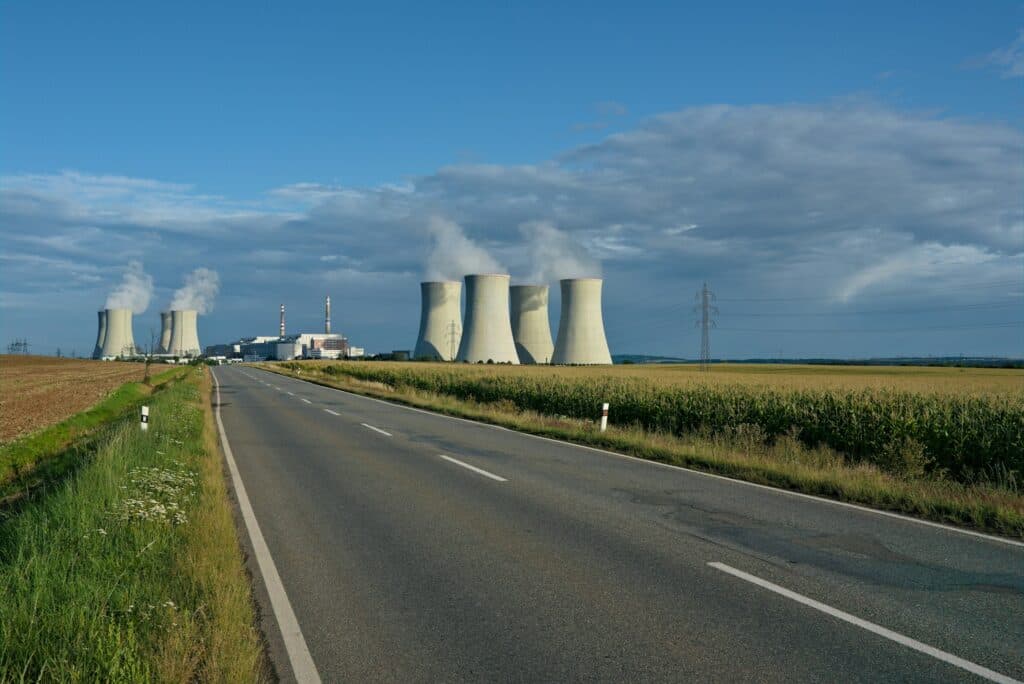
Temelín in Czechia switches to Westinghouse fuel, first assemblies head to reactor

oEnergetice.cz, ČTK
30 October 2026, 11:59
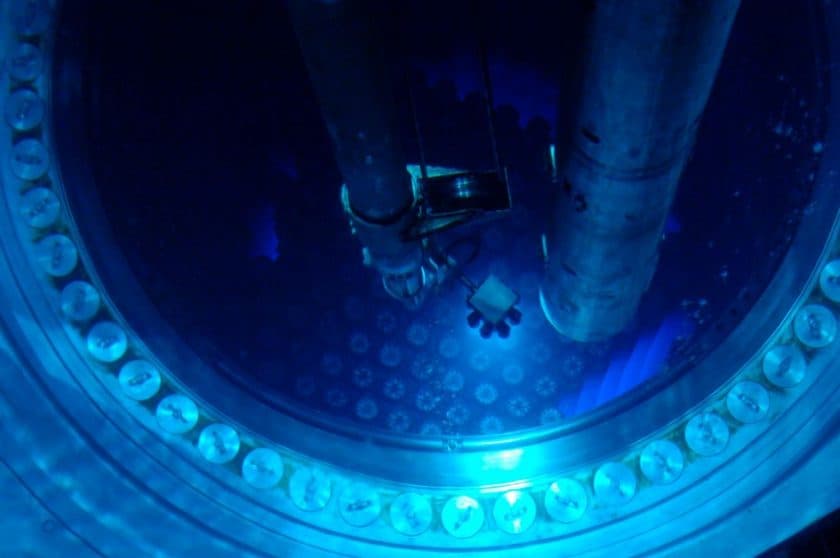
The Temelín nuclear power plant is switching to nuclear fuel from US company Westinghouse. Experts have tested the first fuel assemblies, which will be loaded into the reactor during the current outage of Unit 1. Temelín will also complete its transition to an extended 18-month fuel cycle. ČEZ representatives told journalists today. This summer, after eight years of analyses and tests, ČEZ received approval to use the new fuel from the State Office for Nuclear Safety (SÚJB).
Until now, the plant has used fuel from Russian manufacturer TVEL. The Dukovany nuclear power plant is also planning to switch to new fuel. In addition to Westinghouse, which has already delivered the first assemblies for Dukovany, ČEZ also has a contract with French company Framatome for Temelín.
“This is about more than just a technical change. Our government will build new nuclear units at Dukovany, and the first Czech modular reactor will be built at Temelín. At the same time, we support extending the operation of existing nuclear power plants to up to 80 years, and we will need a lot of fuel for that. Increasing the number of fuel suppliers is also proof that the Czech Republic is systematically strengthening its energy security,” said Deputy Prime Minister and Finance Minister Alena Schillerová (ANO).
ČEZ began working to increase the number of fuel suppliers at the end of the previous decade, with the aim of becoming less dependent on a single supplier. ČEZ launched a tender for new suppliers for Temelín in 2018 and subsequently signed new contracts with Westinghouse and Framatome. The first fuel assemblies from Westinghouse arrived at Temelín last year from its manufacturing plant in Västerås, Sweden, and then underwent inspections and tests. Dukovany is expected to follow once all tests and the licensing process have been completed.
“We are aware of how important the operation of both our nuclear power plants is to the Czech Republic. We maintain strategic fuel reserves for all our units, and we started working well in advance to ensure we would not be dependent on a single supplier. Now we can present tangible results,” said Daniel Beneš, Chairman of the Board and CEO of the ČEZ Group.
The SÚJB issued its decision approving the loading of the new type of fuel into the reactor this August. It followed eight years of analyses and tests, including the testing of trial assemblies in the Temelín reactor itself from 2019 to 2022. The new fuel is also designed for longer fuel cycles. “They mean fewer outages, which improves safety by reducing equipment stress and, of course, increases average output of zero-emission electricity,” said Bohdan Zronek, ČEZ board member and director of its nuclear energy division.
In recent years, ČEZ’s nuclear power plants have gradually been moving to extended fuel cycles. Since 2024, Dukovany has operated on a 16-month fuel cycle, with units running for 15 months between outages followed by a one-month outage. At Temelín, the cycle consists of 16 months of operation and two months of outage. Unit 2 at the Temelín plant is already operating under this arrangement, while Unit 1 will switch to longer fuel campaigns when its outage ends at the end of November.
The Temelín nuclear power plant is also preparing to replace its unit auxiliary transformers, which supply electricity for the plant’s own needs. The new equipment is being manufactured and will replace the existing transformers over the next two years. The investment, worth hundreds of millions of crowns, will improve the reliability of the power supply to plant systems and is another step towards the plant’s long-term operation, plant spokesperson Marek Sviták told journalists. Temelín’s operation is expected to be extended to 80 years, until 2080 and 2082.
Translation disclaimer
This article is a machine translation of the Czech original and has not yet been fully reviewed. In case of any doubt, please refer to the Czech version.
Sdílejte článek prostřednictvím:
You might also like
30 October 2026, 11:59
30 October 2026, 06:33
29 October 2026, 16:16