
28 October 2026, 15:10
Loading...
Two more Japanese nuclear reactors approved for 60-year operation

Jiří Salavec
10 June 2024, 06:32
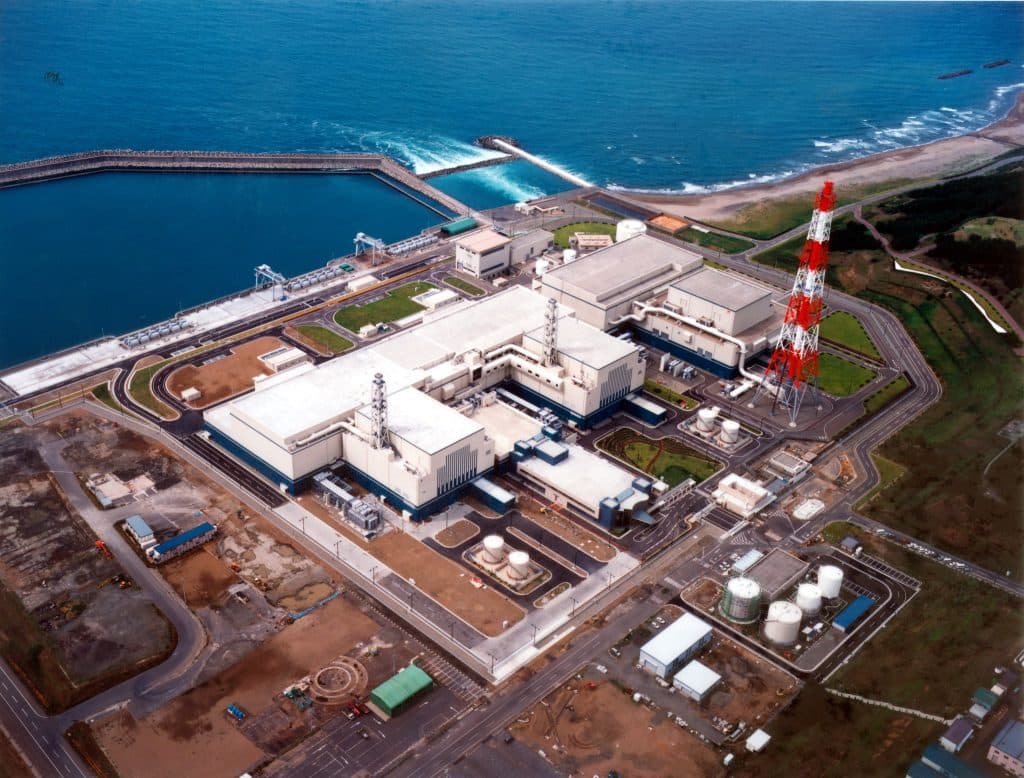
Japan’s nuclear regulator has approved a 20-year operating life extension for Takahama units 3 and 4. The PWR units, commissioned in 1985, have a combined installed capacity of 1740 MW. A total of 8 reactors that have received approval to operate beyond their originally planned 40-year lifetimes are now generating electricity in Japan.
The Japan Atomic Industrial Forum announced that the operator of the Takahama nuclear power plant had received approval from Japan’s nuclear regulator to extend the operating life of two units. Kansai Electric Power Company can now generate electricity at Takahama 3 and 4 for another 20 years.
The units’ original planned 40-year lifetimes were due to expire in January and June next year, respectively. The operator applied to the regulator for a further extension in April last year.
“We continue to strive to improve the safety and reliability of our nuclear power plants. We plan to use nuclear energy as an important source of electricity and are seeking the understanding of local residents and other parties,” the plant operator said in a press release.
The two PWR units, each with an installed capacity of 870 MW, can now remain in operation until 2045. Kansai Electric Power Company is already planning to replace the steam generators in both units during four-month outages in 2026–2027.
Extending the operating lives of Japanese nuclear units
Rules that came into force in Japan in July 2013 set the maximum lifetime of all nuclear units at 40 years. After 35 years of operation, the nuclear regulator can decide to extend a unit’s lifetime by 20 years based on an assessment of the integrity of the reactor pressure vessel and containment.
The first two units of the Takahama nuclear power plant were the first to receive the regulator’s approval for a lifetime extension. A total of 8 Japanese nuclear reactors now have permission to operate for 60 years.
At the end of 2022, the nuclear regulator proposed rules for further lifetime extensions. The government approved the rules, which took effect in June 2025, paving the way for reactors to potentially operate beyond the 60-year mark.
Translation disclaimer
This article is a machine translation of the Czech original and has not yet been fully reviewed. In case of any doubt, please refer to the Czech version.
Sdílejte článek prostřednictvím:
You might also like

28 October 2026, 13:08

28 October 2026, 11:10

28 October 2026, 09:08
