
23 October 2026, 14:38
Loading...
Westinghouse moves AP300 into next licensing phase and turns its attention to Czechia as a potential site for SMR deployment
oEnergetice.cz
3 May 2024, 05:55
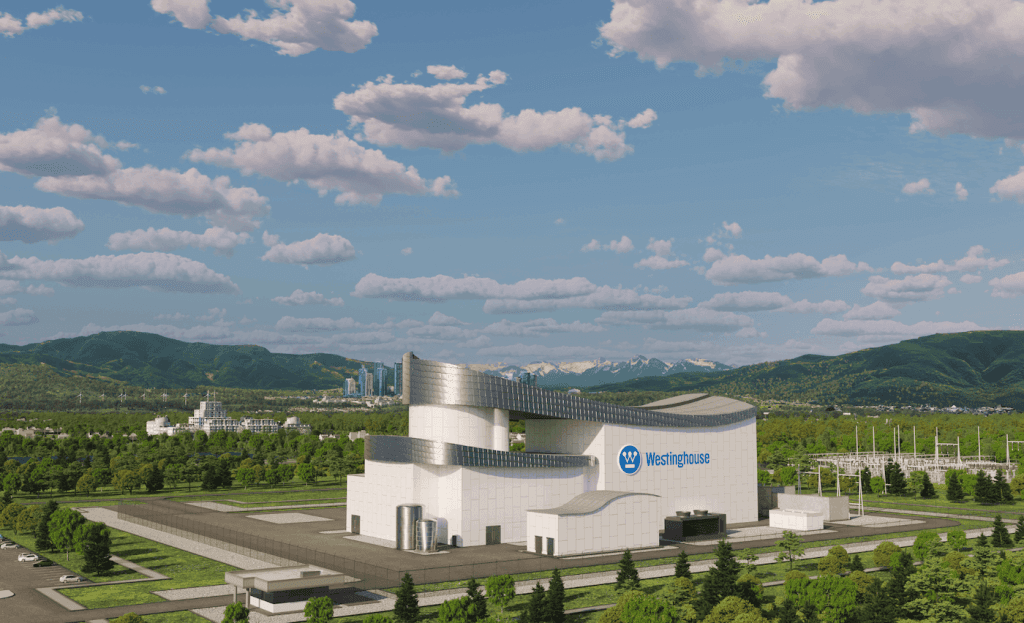
Small modular reactors (SMRs) are frequently discussed as an option for developing zero-emission and safe energy sources. Westinghouse has advanced the development of its AP300 modular reactor to the next stage, officially submitting an application in March to the UK Department for Energy Security and Net Zero to enter the Generic Design Assessment (GDA). In the US, dialogue is under way with the Nuclear Regulatory Commission (NRC), and Westinghouse plans to apply for an operating licence in the second half of next year.
The AP300 small modular reactor promises to usher in a new era of nuclear energy. It is built on the foundations of an advanced and proven conventional reactor. This makes the AP300 SMR the only small modular reactor derived from a plant already in operation. The 300 MWe AP300 single-loop pressurised water reactor can provide power for up to 300,000 households. A major advantage is that it can be built on very small sites, requiring less land. It can also be deployed at former coal sites, positively affecting local communities that depend on jobs created by the energy facility.
Technology licensing
Several factors could accelerate the deployment process for the AP300 SMR. “It is important to have a partner and a selected site. Once a site has been selected in advance, it speeds up the entire process, as each site may require specific design and licensing. If these issues are clarified as early as possible, it will significantly accelerate the entire SMR deployment process. Another advantage can be cooperation with an experienced supply chain and a qualified workforce,” says Dr Rita Baranwal, vice president for small modular reactors. An indisputable benefit for the AP300 supply chain is that it can also be used automatically for the larger AP1000 reactor.
She considers ČEZ's plan to begin deploying SMRs in Czechia in the first half of the 2030s realistic. In her view, cooperation and strong partnerships with all stakeholders are key, meaning not only Westinghouse as the technology provider, but potentially ČEZ, regulators and all other stakeholders.
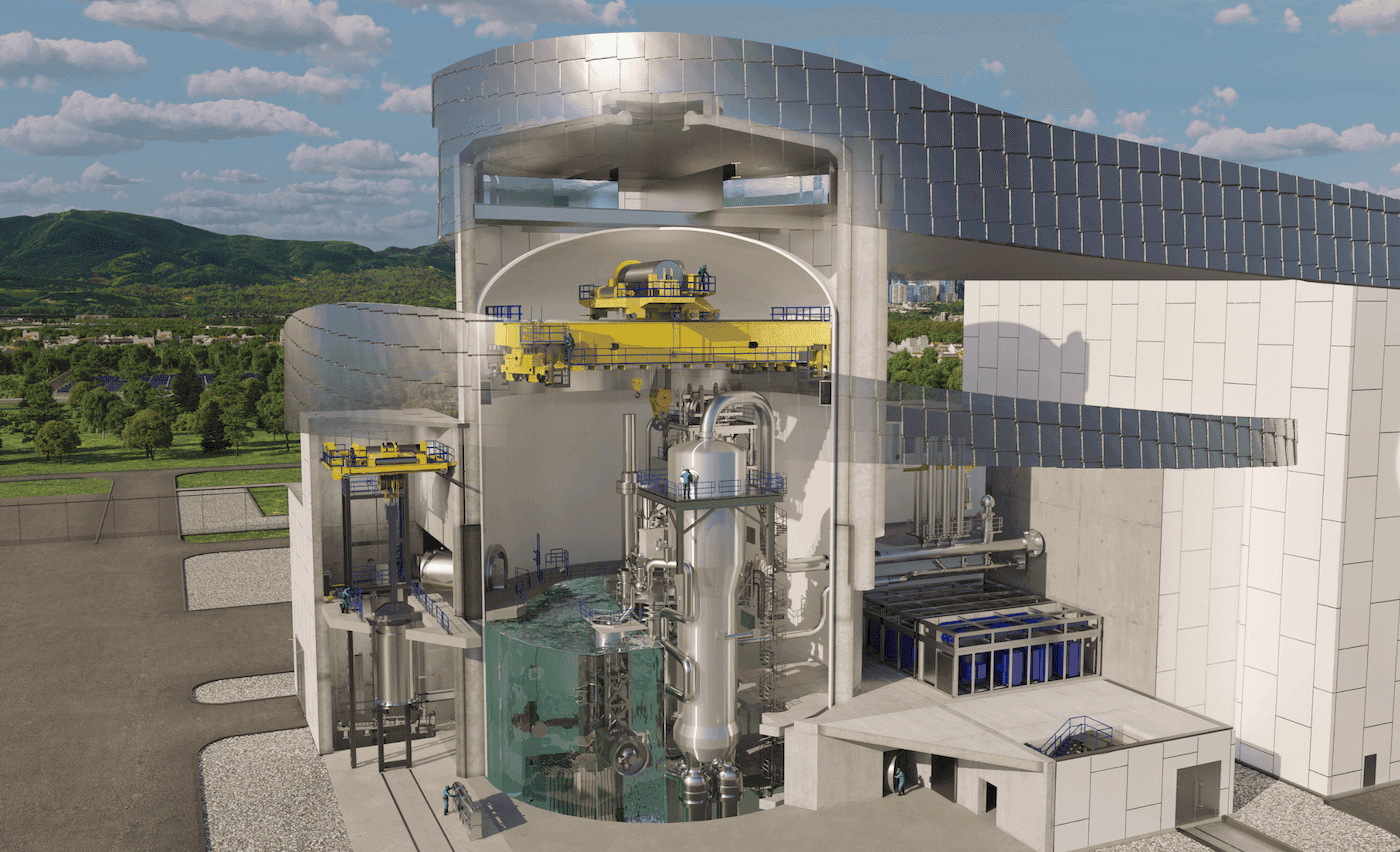
AP300 SMR visualisation, source: Westinghouse Electric Company
Westinghouse is discussing opportunities with partners around the world, including in the Czech Republic. The company has previously concluded a memorandum of cooperation with ČEZ on the development of small modular reactors. In Czechia, SMRs could be built at sites where coal-fired power plants now stand. Nuclear and coal power plant sites are ideal for deploying small modular reactors, which is why ČEZ decided that the first project would be built at Temelín in South Bohemia.
“Czechia is very forward-looking and thoughtful in its decision to pursue SMR technology. The Czech government deserves great recognition for that.The Czech Republic is certainly a country that interests Westinghouse not only because of its developed nuclear industry, but also due to the nuclear expertise built up over several decades. There are many opportunities for the Czech nuclear supply chain to participate in the deployment of our AP300 SMR. That will be a major advantage in building new reactors,” Baranwal says, highlighting the Czech environment.
Translation disclaimer
This article is a machine translation of the Czech original and has not yet been fully reviewed. In case of any doubt, please refer to the Czech version.
Sdílejte článek prostřednictvím:
You might also like
23 October 2026, 11:01

23 October 2026, 06:34