World Bank to lift ban on nuclear financing as developing countries need power sources

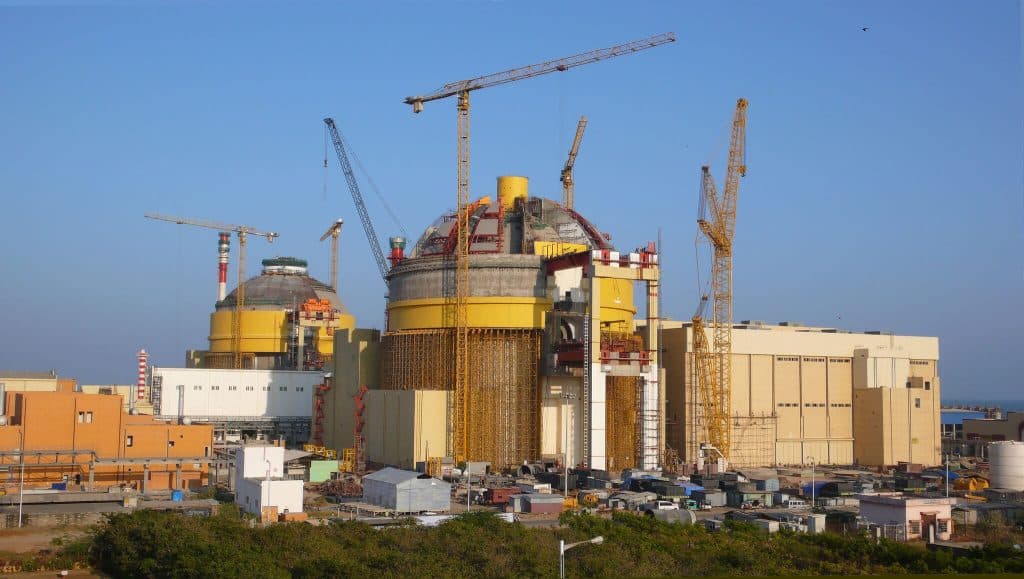
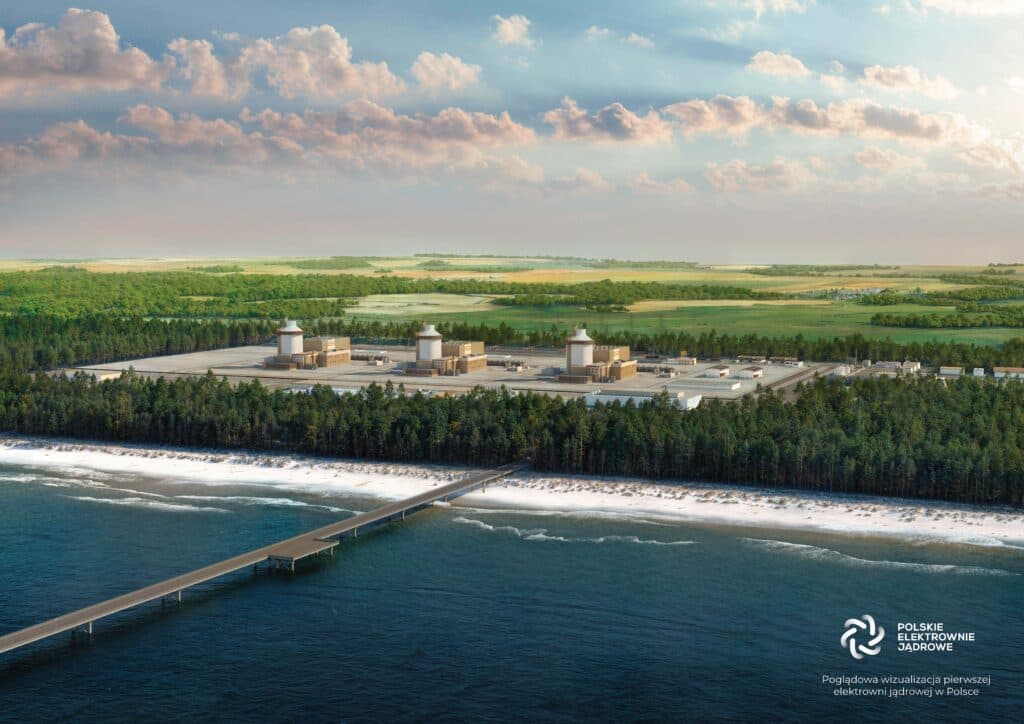
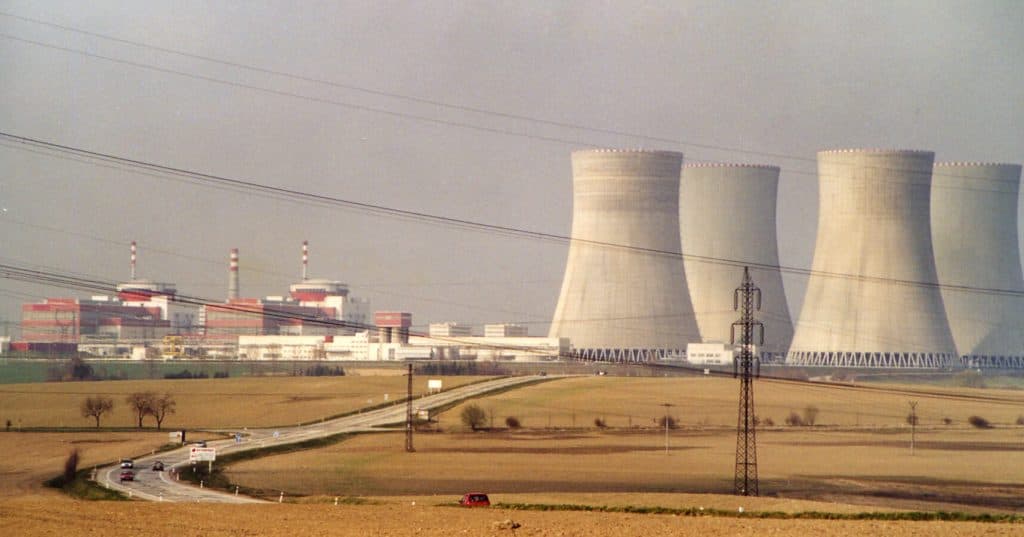
The World Bank’s board agreed last week to lift a ban on financing nuclear projects that had been in place for more than a decade. The bank’s current president, who took office two years ago, has long sought a change of course. But the US government, which holds the largest voting share at the World Bank, also pushed for an end to the ban on financing nuclear power.
World Bank President Ajay Banga announced a major policy shift last week at the organization, which helps developing countries through financing and other services. According to Banga, the bank’s board agreed to lift the ban on financing nuclear projects, which had been in place since 2013. Lifting the ban on nuclear financing is one of the steps intended to help developing countries meet rising demand for electricity.
According to Banga, the board also discussed the possibility of lifting the ban on financing natural gas extraction projects, but has yet to reach an agreement. If it were to take this step, it would also need to clarify the conditions under which such projects could potentially be financed. The bank announced restrictions on financing gas extraction projects in 2017, with the restrictions taking effect at the beginning of 2019.
According to Reuters sources, talks on lifting the ban on financing nuclear projects proceeded relatively smoothly. Several countries, including Germany, France and the United Kingdom, opposed the move on natural gas extraction projects.
“Although these issues are complex, we have made real progress towards ensuring electricity supply as a driver of development,” Banga said, adding that discussions on gas extraction projects need to continue.
According to the bank’s president, the World Bank will work closely with the International Atomic Energy Agency. The agency will help the bank strengthen its capacity to provide advice on nuclear non-proliferation safeguards, safety, security and regulatory issues. The bank will also support extending the operating life of existing nuclear power plants and developing small modular reactors.
Countries can choose their own path, but without coal
According to Banga, the bank’s new strategy will give developing countries the opportunity to determine their own energy mix. Some countries may focus more on developing renewable energy sources, while others may build gas-fired or nuclear power plants.
According to Banga, the World Bank will continue to provide advice and finance the decommissioning of coal-fired power plants, as well as support carbon capture in industry and electricity generation.
Translation disclaimer
This article is a machine translation of the Czech original and has not yet been fully reviewed. In case of any doubt, please refer to the Czech version.