Zaporizhzhia nuclear power plant without external power for more than two weeks

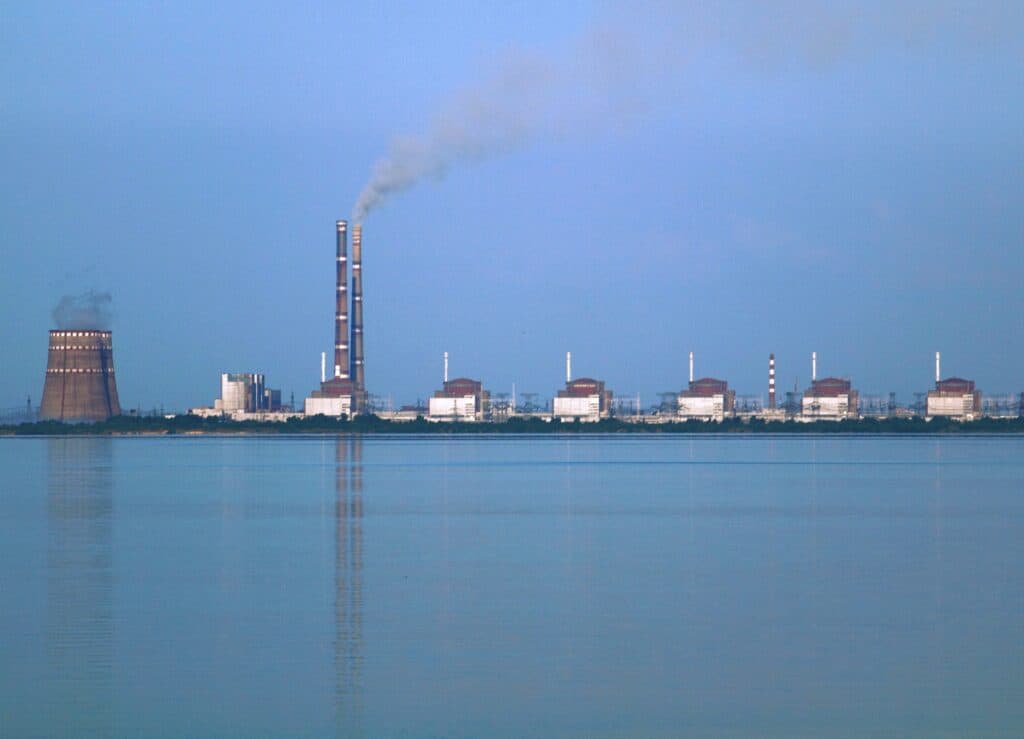
The Zaporizhzhia nuclear power plant has been without external power since 20 August and is relying on emergency diesel generators. As of 28 August, the plant reported diesel fuel reserves sufficient for approximately ten days of their operation. The IAEA warned that without the restoration of external power or further fuel deliveries, the plant could face a total loss of power.
The Zaporizhzhia nuclear power plant lost its connection to the 330 kV Ferosplavna-1 line, its last available source of external power, on 20 August. According to the International Atomic Energy Agency (IAEA), the disconnection occurred following military activity on the northern side of the Dnipro River. Since then, several emergency diesel generators have been supplying power for the plant's own consumption, primarily to power systems that remove residual heat from the reactors and cool the spent fuel pools.
Diesel reserves at the regulatory minimum
The IAEA team visited most of the 20 emergency diesel generators at the site on 24 August and checked the fuel levels in their operating tanks. The plant subsequently informed the agency on 28 August that available diesel fuel reserves were sufficient for approximately another ten days of generator operation. According to the IAEA, this is the minimum amount required by regulatory requirements.
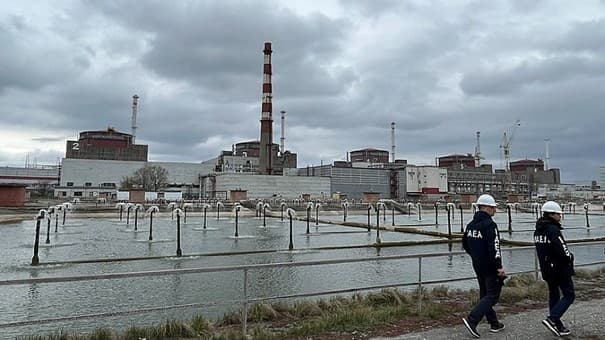
The situation is complicated by limited ability to replenish fuel supplies. According to information provided to the IAEA, the last delivery to the plant's external diesel fuel storage took place in March. Another delivery planned for May was reportedly delayed by repeated military activity in the area. In addition, IAEA inspectors have been unable to visit this external storage facility since March 2025, with plant management citing the security situation as the reason.
However, on Thursday and Friday before the report was published, the agency team observed the transfer of several dozen tonnes of diesel fuel to the plant from two other locations outside its site. The IAEA team also monitored these movements for security reasons. The agency did not specify exactly how the transfers affected the stated estimate of a ten-day fuel reserve.
Without restored power, a total blackout looms
IAEA Director General Rafael Mariano Grossi stressed that not only the availability of diesel fuel but also the maintenance of safe supply routes was crucial for the plant's safety. If external power were not restored or further fuel did not reach the plant, a total loss of power, known as a station blackout, could occur within approximately ten days, he said.
In such a situation, the plant would lose both the already unavailable external power supply and emergency power from its diesel generators. Although all six reactors are shut down and are not generating electricity, the plant's systems still require power to remove residual heat and cool the nuclear fuel. The site comprises six VVER-1000/320 pressurised water reactor units with a total installed electrical capacity of 6,000 MW.

The IAEA is now working to establish a local ceasefire that would allow the Ferosplavna-1 line to be repaired safely. This would be the seventh similar agreement brokered by the agency since the end of last year. Before the war, the plant had ten external power lines available. Its main 750 kV Dniprovska line has been out of service since March; although the line itself was repaired in June, it could not be re-energised due to extensive damage to the associated substation.
Fighting continues around the plant
The security situation around the site remains unstable. During the final week of August, the IAEA was informed of three drone incidents directly at the plant site. According to information relayed to the agency, two employees were injured in one of them, while another drone exploded in the area of the dry spent fuel storage facility. The IAEA also stated that the radiological situation at the plant remains normal.
The Zaporizhzhia plant has been under the control of Russian forces since March 2022. The IAEA did not attribute the cause of the current line disconnection to either side in the conflict, stating only that it was linked to military activity north of the Dnipro River. The agency's team has been permanently present at the plant since September 2022, monitoring its nuclear safety and security.
Translation disclaimer
This article is a machine translation of the Czech original and has not yet been fully reviewed. In case of any doubt, please refer to the Czech version.