
23 October 2026, 14:38
Loading...
Austria plans temporary cut to petrol and diesel taxes and cap on retailers’ margins

oEnergetice.cz, ČTK
18 March 2026, 18:06
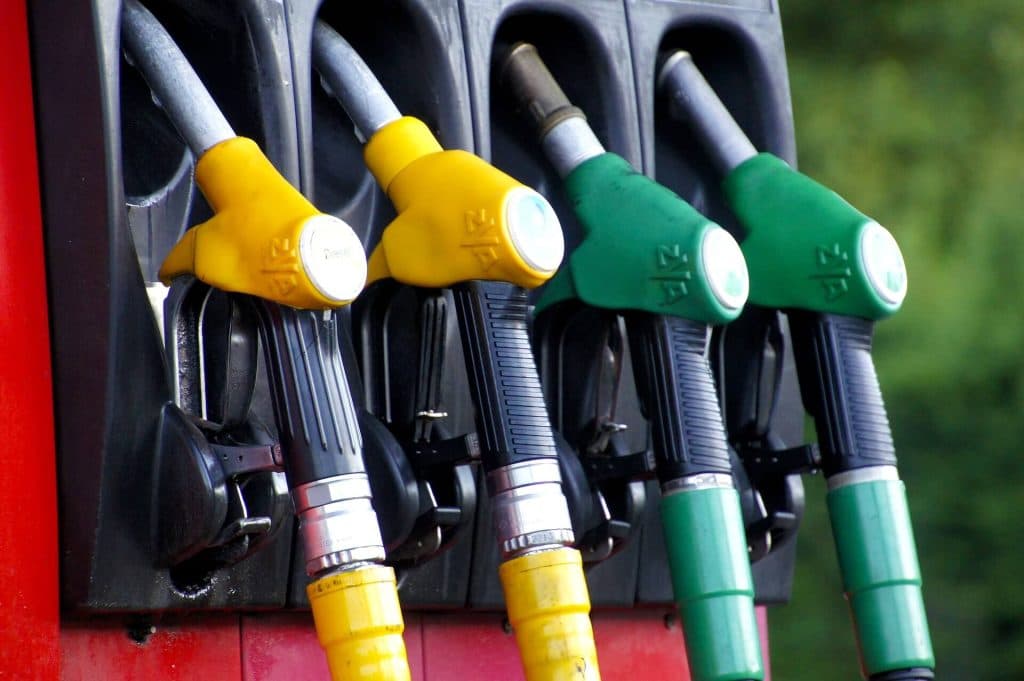
Austria will temporarily cut taxes on petrol and diesel and limit the margins of fuel retailers. The ruling coalition announced the move today. It aims to cushion consumers from the impact of rising oil prices caused by the conflict in the Middle East, Reuters reported.
"The goal is clear. We want to curb inflation, stabilise fuel prices and ensure competitiveness," Austrian Chancellor Christian Stocker said.
"Interventions (in the market) are, of course, exceptional measures, but we are currently facing an exceptional situation," he added.
The government plans to initially cut the tax on petrol and diesel by five cents (about CZK 1.20) per litre. The proposed measures still need parliamentary approval, which is expected by the beginning of April. They are due to remain in force for the rest of this year.
Oil prices have recently been pushed higher by concerns that the conflict in the Middle East, triggered by US-Israeli attacks on Iran, could disrupt energy commodity supplies to the global market for a prolonged period. The conflict has paralysed shipping in the Strait of Hormuz, through which around one-fifth of the world’s oil supplies normally pass. According to Stocker, no one should profit from volatility in the oil market while people are grappling with rising prices, the APA news agency reported.

Biofuels. Source: Pixabay
Other European countries have also adopted measures to cushion the impact of rising oil prices. Hungary, for example, decided last week to introduce price caps on petrol and diesel for cars with Hungarian number plates. Slovak Prime Minister Robert Fico said on Tuesday that the Slovak government was considering an order under which foreign drivers would pay more for diesel at filling stations in Slovakia than local motorists.
The Czech government has so far responded to rising petrol and diesel prices by monitoring fuel retailers’ margins. Finance Minister Alena Schillerová said on Monday that it was too early to consider any further measures beyond monitoring margins, given the dynamic developments in global oil markets. However, she stressed that no steps could be ruled out in the future.
Translation disclaimer
This article is a machine translation of the Czech original and has not yet been fully reviewed. In case of any doubt, please refer to the Czech version.
Sdílejte článek prostřednictvím:
You might also like


23 October 2026, 11:01


23 October 2026, 06:34