3 October 2026, 13:01
Loading...
Bloomberg: Venezuela weighs leaving oil cartel OPEC, which it co-founded

oEnergetice.cz, ČTK
28 August 2026, 13:21
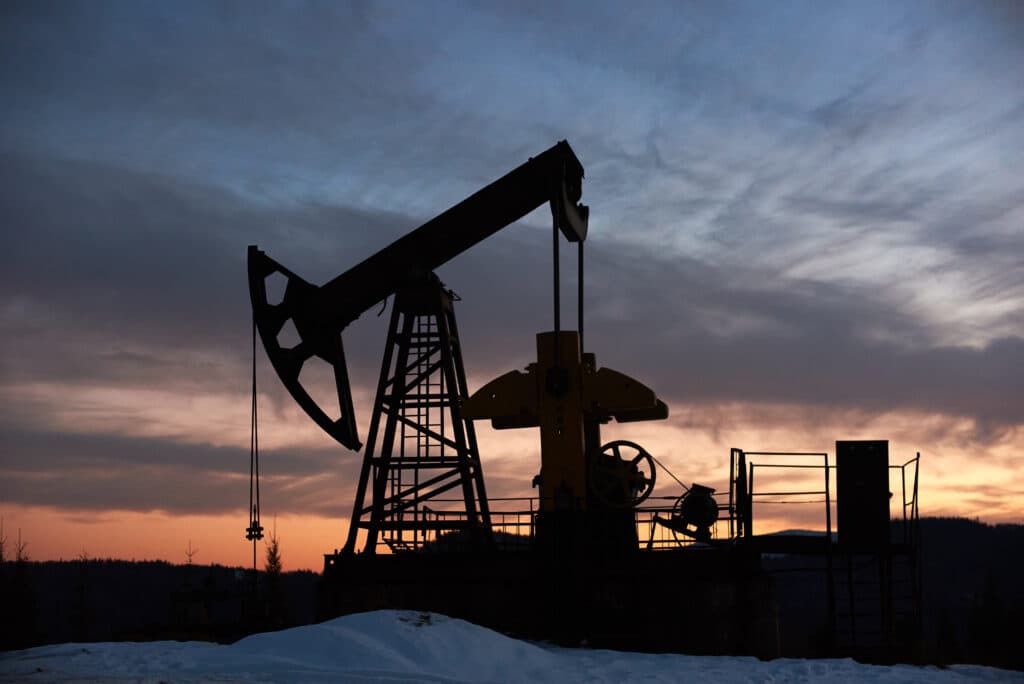
Venezuela is considering leaving the Organization of the Petroleum Exporting Countries (OPEC), dealing another blow to the cartel that the country helped found more than sixty years ago. The idea of leaving was discussed with US officials, but no decision has yet been made. Bloomberg reported this today, citing people familiar with the matter.
Venezuela’s departure from OPEC would underscore a fundamental shift in the South American country’s policy following the ouster of longtime president Nicolás Maduro. The United States is also negotiating with the Venezuelan government to acquire a significant stake in the country’s oil fields. According to sources familiar with the talks, the possibility of leasing several oil fields for 100 years is also under consideration. Such a move would represent an unprecedented expansion of US influence over another country’s economy.
Venezuela was once a major OPEC member, but its influence has weakened significantly in recent years because of US sanctions and problems in its domestic oil industry. In July, the country produced 1.16 million barrels of oil per day, according to a Bloomberg survey, less than half its output a decade ago. Production is rising again this year, however.
Given Venezuela’s low output, a possible departure from OPEC would likely have no immediate major impact on global oil prices. But it would be another blow to the cartel at a time when its members are increasingly rebelling against the restrictions associated with membership. Four months ago, the United Arab Emirates left OPEC, threatening the group’s unity and its influence over oil prices.
Venezuela’s departure could further deepen doubts about whether OPEC, led by Saudi Arabia, can continue to hold together and influence oil prices. One source also said that some US officials see an opportunity to turn the US and Venezuela into an oil powerhouse that would significantly curb OPEC’s influence. Venezuela could also focus on increasing production without any potential future OPEC limits, which over the longer term could help lower oil prices, while also allowing Washington to carry out its plans for the country’s oil sector without restrictions arising from commitments to the cartel. Venezuela is currently not subject to any cartel production limits because of the sharp decline in its output in recent years.
A possible Venezuelan departure from OPEC could pave the way for US and other foreign oil producers to play a greater role in rebuilding its oil industry. This could increase global oil supply and contribute to lower prices in the coming years. It would also be a victory for US President Donald Trump, a longtime critic of OPEC and its ability to push up oil prices and fuel costs for American consumers.
Relations between the US and Venezuela changed dramatically after Maduro was ousted in early January. What had been a state of isolation became a partnership, under which Washington restored diplomatic ties and gained considerable influence over Venezuela’s production policy. US company Chevron has also significantly expanded its operations in the country this year.
Venezuela was one of OPEC’s five founding members in 1960 and also played a significant role in the creation of the broader OPEC+ alliance in 2016, when Russia and others joined. Since its founding, the cartel has played a major role in global oil markets, from the Arab oil embargo of the 1970s to the massive production cuts that stabilized prices and helped much of the global oil industry during the COVID-19 pandemic.
The cartel’s influence has weakened in recent years. This is mainly due to rising US shale production and major discoveries of oil in Guyana and Brazil, which have gradually reduced its share of global output.
Translation disclaimer
This article is a machine translation of the Czech original and has not yet been fully reviewed. In case of any doubt, please refer to the Czech version.
Sdílejte článek prostřednictvím:
You might also like

3 October 2026, 07:43

2 October 2026, 21:55
2 October 2026, 15:14