3 October 2026, 13:01
Loading...
EIA: Oil inventories in OECD countries are nearing their lowest level in several decades

oEnergetice.cz, ČTK
9 June 2026, 21:43
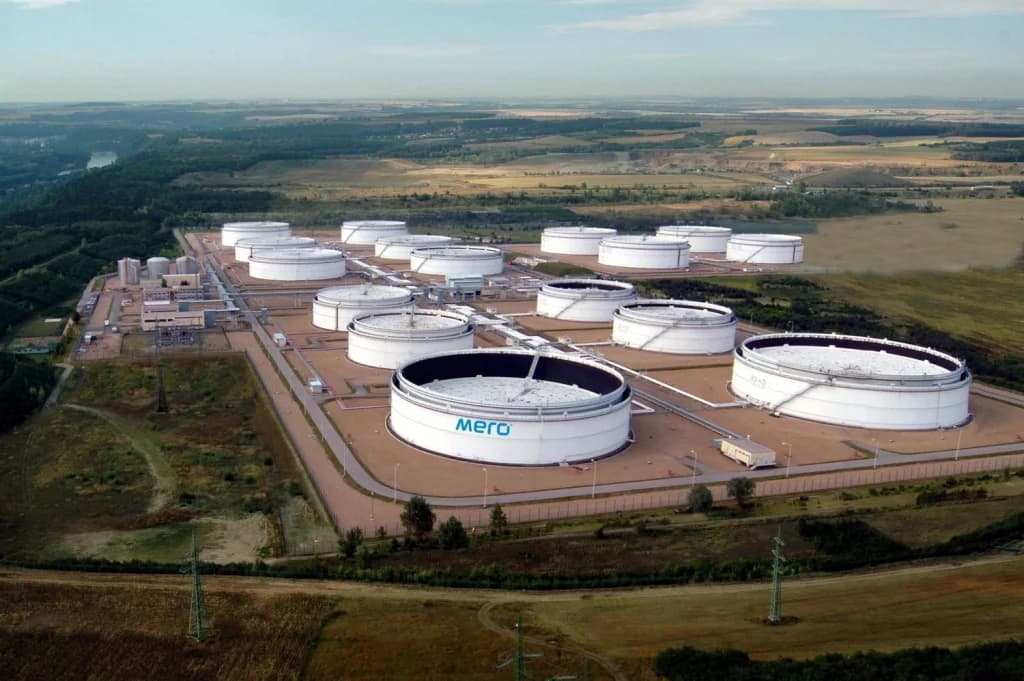
Oil inventories in the world’s largest economies are nearing their lowest levels since at least 2003, as major consumer countries draw on reserves at a record pace to replace lost oil supplies from the Middle East caused by the war with Iran. The U.S. Energy Information Administration (EIA) said in its regular monthly outlook, adding that it expects shipping through the Strait of Hormuz to return to pre-conflict levels no earlier than the beginning of 2027.
Total oil inventories in member countries of the Organisation for Economic Co-operation and Development (OECD) will fall to just under 2.3 billion barrels by December, according to the EIA. That would be the lowest level since 2003, when the EIA began tracking inventories.
Drawing on inventories is necessary to replace 11 million barrels per day of lost production in the Middle East, and sets the stage for a sharp rise in oil prices in the coming months, the EIA warned. Recent reports that the U.S. and Iran are close to reopening the Strait of Hormuz have pushed prices down in recent weeks. The Strait of Hormuz is a vital shipping route that carried around 20 percent of global oil supplies before the conflict.

oil, tanker
Source: Pixabay
"Given the scale of the draw on global inventories, we forecast that oil prices will remain high until global oil flows return to normal levels and oil inventories are replenished," the EIA said.
The EIA expects global oil demand to fall by 1.1 million barrels per day this year. It had previously forecast modest growth. If the forecast is borne out, it would be the first year-on-year decline in global oil demand since 2020, when the market was hit by the COVID-19 pandemic. The EIA revised its outlook mainly because of high oil prices, reduced fuel availability and government measures aimed at cutting consumption.
The EIA also estimated that U.S. exports of liquefied natural gas will continue to grow to new records. They are expected to rise to 17.2 billion cubic feet (487 million cubic meters) this year, up from 15.1 billion cubic feet last year. In 2027, they will then increase to 18.6 billion cubic feet.
Translation disclaimer
This article is a machine translation of the Czech original and has not yet been fully reviewed. In case of any doubt, please refer to the Czech version.
Sdílejte článek prostřednictvím:
You might also like
3 October 2026, 07:43

2 October 2026, 21:55

2 October 2026, 15:14