8 November 2026, 08:10
Loading...
FT: Traders in Russian oil move from Switzerland to Dubai

oEnergetice.cz, ČTK
19 July 2023, 13:04
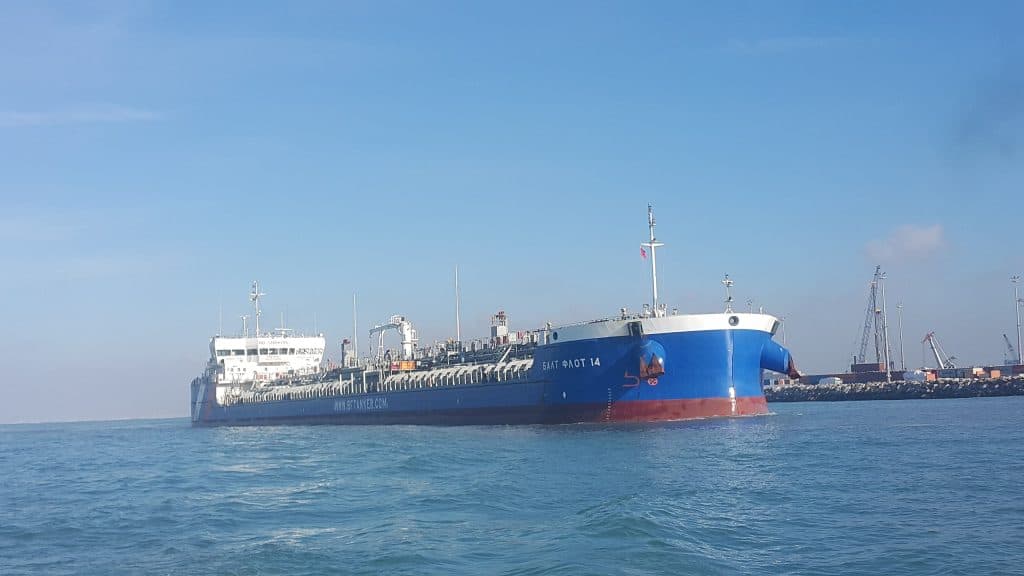
Geneva was home for decades to many traders who sold Russian oil to consumers around the world. But after Switzerland joined the embargo imposed on Moscow by Western countries following its invasion of Ukraine, most of this trade shifted to Dubai and other cities in the United Arab Emirates (UAE). The Financial Times (FT) reported this today. Dubai-registered companies bought at least 39 million tonnes of Russian oil worth more than USD 17 billion (CZK 362 billion) from January to April, about a third of exports, according to documents from the Russian customs authority.
Ship-tracking records show that some of this oil ended up at storage terminals in the UAE. The rest, roughly 90 percent, never touched UAE soil, instead travelling directly from Russian ports to new buyers in Asia, Africa and South America. The FT describes this as one of the largest cases in history of global energy flows being redirected.
The UAE’s energy trade was already booming before the invasion of Ukraine. The conflict and the subsequent Western sanctions, however, significantly accelerated this trend.
Eight of the 20 largest traders in Russian oil in the first four months of this year were registered in the UAE, customs data show. The UAE’s dominance is even greater in trade in refined oil products such as diesel and petrol: 10 of the 20 largest traders were registered in the country.
The boom in this trade has made the country even wealthier, with billions of dollars in oil sales flowing through UAE banks and dozens of new companies attracted to its free trade zones. It has also tested relations with allies such as the United States, which wants to keep Russian oil flowing but is concerned about new trade routes that could undermine sanctions.
The United Arab Emirates has been an important commercial hub for centuries, attracting traders who transported goods between Europe and Asia. In recent years, it has become a major trading centre for gold, diamonds and agricultural commodities such as tea and coffee. Modern business infrastructure, banking services and light-touch regulation have helped it, in particular.
The Emirates is the world’s eighth-largest oil producer. It has never, however, been a major centre for oil trading. Trading volumes were modest, and ADNOC, the company from the emirate of Abu Dhabi, established its own trading subsidiary only three years ago. The country’s proximity to growing African and Asian markets, as well as the fact that it has no personal income tax, began to attract traders even before the war in Ukraine. The country’s political neutrality is another draw.
Trading Russian oil from Dubai is not illegal. Western sanctions only ban imports of this oil into the EU, Britain and other countries enforcing the rules of the Group of Seven (G7) advanced economies, including Switzerland. Under these restrictions, Western companies can also continue to sell Russian oil to other parts of the world, provided it is sold below the established price cap.
The measures were designed to keep Russian oil on the market while reducing Moscow’s oil revenues. Traders registered in Dubai are therefore not required to comply with the price-cap rules, but many do so in order to retain access to Western services such as banking, insurance and shipping.
Translation disclaimer
This article is a machine translation of the Czech original and has not yet been fully reviewed. In case of any doubt, please refer to the Czech version.
Sdílejte článek prostřednictvím:
You might also like
7 November 2026, 17:23
7 November 2026, 13:37