23 October 2026, 06:34
Loading...
Hungary criticizes Croatia over high fees for oil deliveries

oEnergetice.cz, ČTK
26 September 2025, 12:06
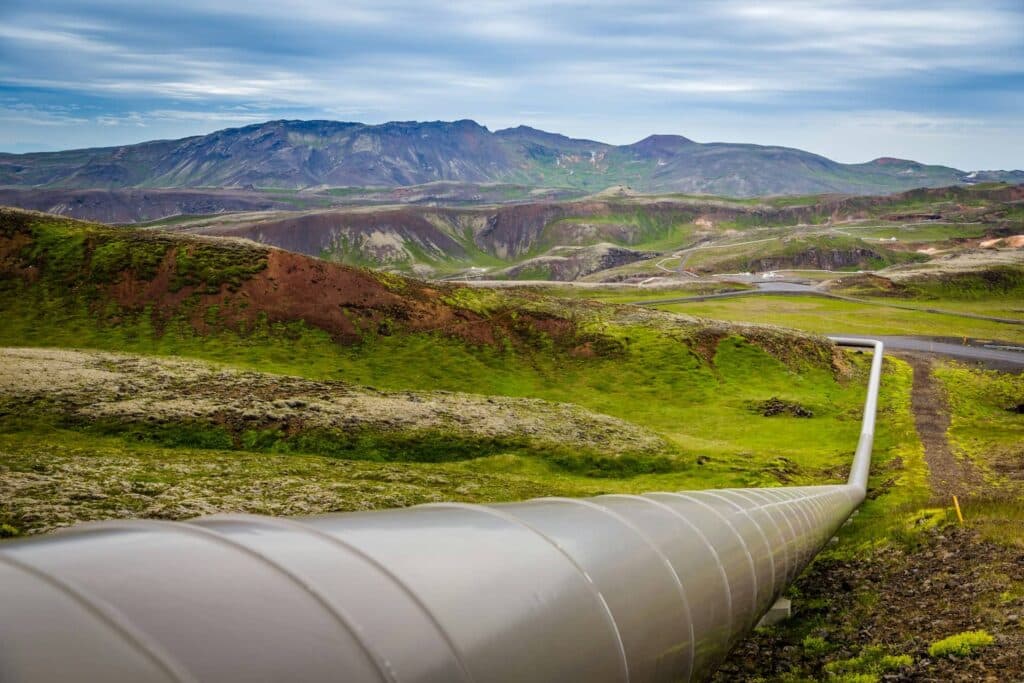
Croatia is exploiting the crisis and charging Hungary a wartime surcharge for oil deliveries. Péter Szijjártó, Hungary’s minister of foreign affairs and trade, said this. According to him, Croatia has increased transit fees for oil delivered via the Adria pipeline to five times the European benchmark rates, MTI reports.
The European Union and the United States have been pressuring member states for several months to stop importing Russian oil and gas. One alternative would be the Adria pipeline from Croatia. Budapest insists, however, that in its current state the system cannot guarantee secure supplies for Hungary and Slovakia. Both countries currently depend on Russian oil delivered via the Druzhba pipeline.
Hungarian Prime Minister Viktor Orbán reiterated today that Hungary will continue to buy fossil fuels from Russia, despite calls from its ally, US President Donald Trump, to stop. He added that he had told Trump that abandoning Russian energy would be a disaster for the Hungarian economy.
Hungarian oil company MOL said last week that a high-pressure test of the Adria pipeline earlier this month revealed faults and showed that the Croatian system cannot guarantee long-term supplies to Hungary and Slovakia. The Croatian pipeline operator strongly rejected these claims.

Druzhba pipeline. Source: MERO ČR
Minister Szijjártó reiterated Hungary’s position that the Adria pipeline cannot deliver the required volumes and that relying on it alone would be dangerous. He added that Croatia’s energy infrastructure is less developed than Hungary’s, making it impossible to ensure energy security. Alongside the technical problems, Szijjártó also said he had deep mistrust of Croatia. Zagreb, he said, had not acted as an honest partner in recent years and is now profiting from the war at Hungary’s expense.
Szijjártó also said Bulgarian Energy Minister Zhecho Stankov had assured him that his country would continue to be a reliable transit partner for gas supplies to Hungary. Szijjártó contacted Stankov to clarify Bulgaria’s position after Bulgarian Prime Minister Rosen Zhelyazkov announced that Bulgaria would terminate its Russian gas transit contract in 2026. According to Szijjártó, Stankov assured him that Sofia would not leave Hungary in a difficult position.
Szijjártó added that the Bulgarian prime minister’s statement should be understood in the context of a possible response to the REPowerEU programme, the European Union’s plan to reduce Europe’s dependence on Russian energy, particularly natural gas, while accelerating the transition to so-called clean energy. He said he considers the European Commission’s proposal to completely stop imports of Russian energy to be disastrous, while emphasizing that it is only a proposal for now and may not become reality.
Translation disclaimer
This article is a machine translation of the Czech original and has not yet been fully reviewed. In case of any doubt, please refer to the Czech version.
Sdílejte článek prostřednictvím:
You might also like


22 October 2026, 10:45