
23 October 2026, 14:38
Loading...
IEA raises oil production forecast and demand growth outlook

oEnergetice.cz, ČTK
11 September 2025, 15:04
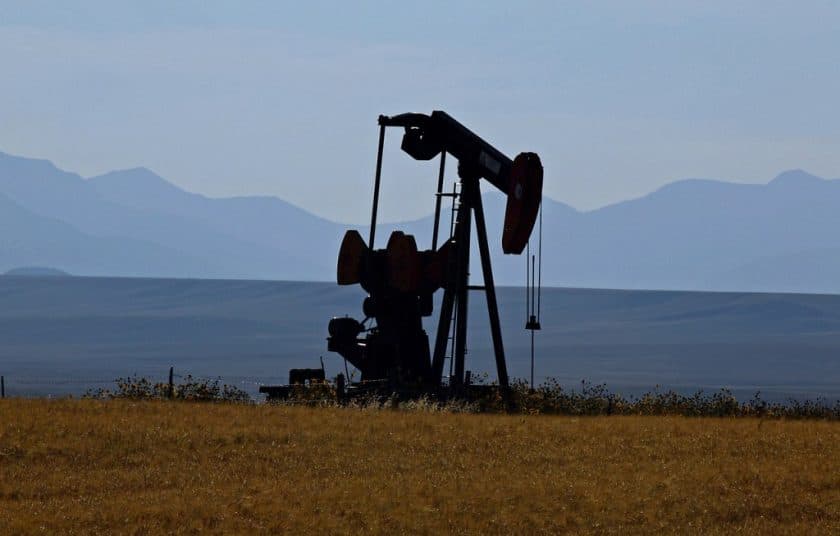
Oil production is set to increase more in the near term than previously expected. This year, it will rise by 2,7 million barrels to 105,8 million barrels per day, the International Energy Agency (IEA) said today in its regular monthly report on the market. In August, it had forecast an increase in production of 2,5 million barrels per day. Demand is then expected to rise by 740.000 barrels per day this year, compared with the IEA’s August estimate of 680.000 barrels per day.
The IEA raised its production forecast following the decision by producers in the OPEC+ group to increase output. The agency expects inventories to grow by an average of 2,5 million barrels per day in the second half of this year, which could lead to an oversupplied market. The agency nevertheless warns that developments could be affected by an escalation of sanctions, changes in trade policy or new geopolitical events.
"Oil markets are being shaped by various forces, with potential supply losses resulting from new sanctions on Russia and Iran being offset by higher supplies from the OPEC+ group and prospects of an increasingly large oil surplus," the IEA said.
While consumption in developed economies remains resilient thanks to lower prices, developing countries are lagging behind. Overall, however, the IEA expects annual consumption to remain more or less stable. On the supply side, global production reached a record 106,9 million barrels per day in August, with growth driven primarily by countries outside OPEC+, such as the United States, Brazil and Canada. The OPEC+ group consists of members of the Organization of the Petroleum Exporting Countries (OPEC) and its allies, led by Russia.
The volume of oil processed by refineries rose by 400.000 barrels per day to a record 85,1 million barrels per day in August, although the IEA expects it to fall by 3,5 million barrels per day by October due to seasonal maintenance.
The IEA forecasts average refinery processing of 83,5 million barrels per day this year. Oil inventories rose by 26,5 million barrels in July, bringing the cumulative increase since the start of the year to 187 million barrels. Inventories nevertheless remain 67 million barrels below the five-year average, despite a significant increase in China.
Oil prices edged down in August, with North Sea Brent falling by about two dollars to 67 USD per barrel. Although geopolitical tensions persist, including in connection with the war in Ukraine and sanctions on Russia and Iran, concerns about oversupply are holding back price increases. "Oil markets are caught between geopolitical risks and rising inventories, putting pressure on prices," the IEA added.
After years of cuts aimed at supporting the oil market, the OPEC+ group has been increasing production since April. Its latest decision to raise output further comes despite expectations that the market will be oversupplied during the Northern Hemisphere winter months. Saudi Arabia and other Middle Eastern producers recorded the largest increases, with most of the additional volumes used within the region.
Translation disclaimer
This article is a machine translation of the Czech original and has not yet been fully reviewed. In case of any doubt, please refer to the Czech version.
Sdílejte článek prostřednictvím:
You might also like


23 October 2026, 11:01


23 October 2026, 06:34