23 October 2026, 14:38
Loading...
IEA warns: Global oil supply will fall even further this year, deficit deepens

oEnergetice.cz, ČTK
12 August 2026, 11:07
Global oil supply will fall by 4.3 million barrels per day this year. The International Energy Agency (IEA) forecast this today in its regular monthly report on the state of the oil market. Its July report had projected a decline of 3.7 million barrels per day. Renewed fighting in the Middle East, which has continued since July, is therefore likely to deepen the deficit in the global oil market further.
Global oil demand will fall by 1.6 million barrels per day this year. Compared with the previous report, this is a downward revision of 510,000 barrels per day, due to continued restrictions on shipping through the Strait of Hormuz and high fuel prices. Oil exports from the Persian Gulf, including routes bypassing the strait, fell by 2.1 million barrels to 15 million barrels per day.
This came after the strait was effectively closed again in early July and oil infrastructure and tankers became targets of attacks. Loading volumes peaked at 20 million barrels per day at the beginning of July, but later in the month fell to around 12 million barrels per day.
According to the IEA, production equivalent to around 8.3 million barrels per day remains offline in the Persian Gulf. Global oil supply rose by 2.4 million barrels per day in July to 101.5 million barrels per day, but was still 6.3 million barrels per day lower than a year earlier.
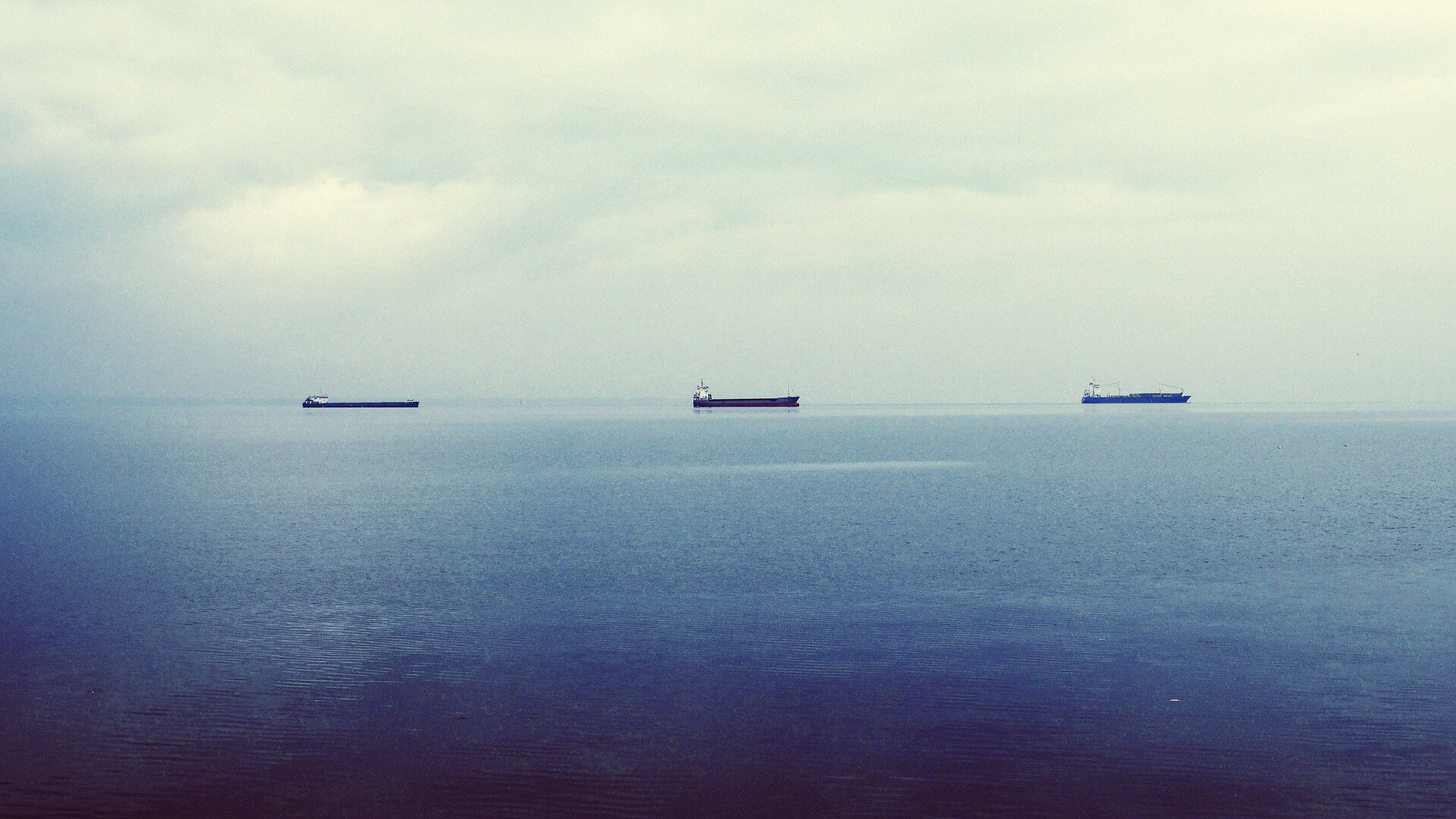
oil, tanker
Source: Pixabay
Global observable oil inventories fell by 69 million barrels in July, mainly due to a significant decline in oil volumes at sea. Onshore inventories fell only slightly, by six million barrels. Total inventories thus dropped below 7.9 billion barrels for the first time since last April. Since the start of the war with Iran, they have fallen by 410 million barrels, equivalent to a decline of 2.7 million barrels per day.
The International Energy Agency comprises 32 member countries. According to the August report, the pace of extraordinary releases from the agency's emergency reserves slowed in July. In March, the agency agreed the largest coordinated release of oil reserves in history to date, totalling 400 million barrels.
The conflict in the Middle East escalated when the United States and Israel jointly launched air strikes on Iran at the end of February. Since then, Tehran has, with brief interruptions, more or less blocked shipping through the Strait of Hormuz, through which around one-fifth of global oil supplies flowed before the conflict began.
Translation disclaimer
This article is a machine translation of the Czech original and has not yet been fully reviewed. In case of any doubt, please refer to the Czech version.
Sdílejte článek prostřednictvím:
You might also like


23 October 2026, 11:01

23 October 2026, 06:34