India and Russian oil in the shadow of a trade deal with the US
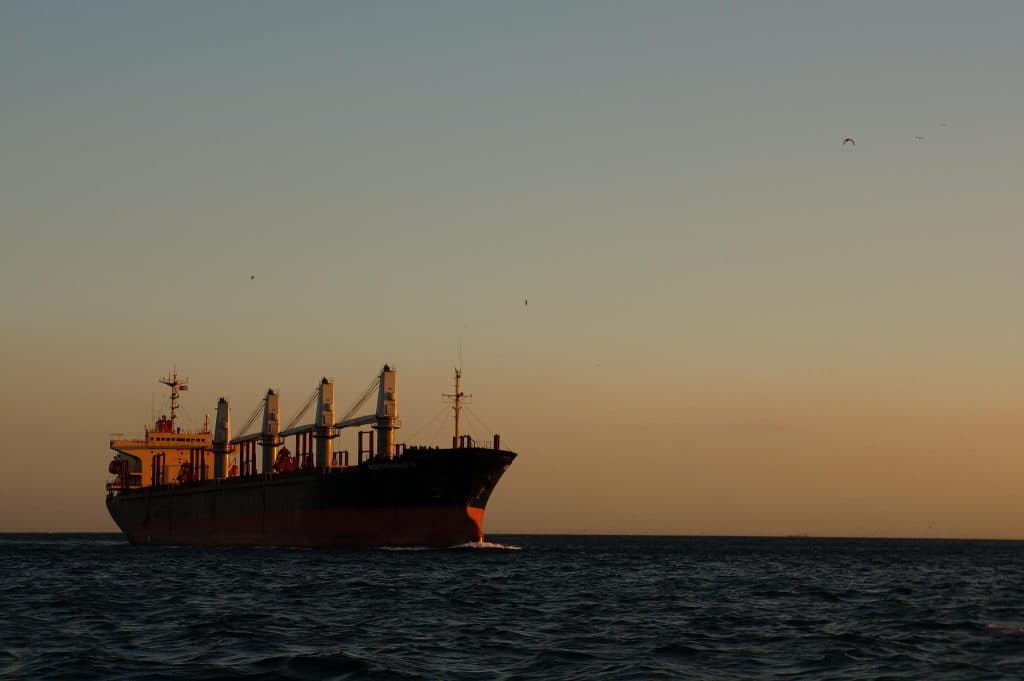
India is negotiating a trade deal with the US, and as a result, Indian refineries are beginning to avoid Russian oil. According to Reuters, Indian refineries are avoiding any offers to supply Russian oil in March and April.
A shift in US policy
The administration of Donald Trump changed its approach in many areas last year. One less discussed aspect of this shift is its approach to India. The previous Biden administration set US policy to allow India to buy Russian oil below the price cap, on the rationale that this would help India (seen as a key ally in balancing China) while harming Russia, which would be forced to sell oil at a discount.
The Trump administration, however, does not accept this logic and has been pressuring India since last year to ditch Russian oil. That is now gradually happening. In the summer of 2025, the United States imposed tariffs on India on condition that it limit purchases of Russian oil. Sanctions on Russian companies Rosneft and Lukoil followed in early autumn. The process has been slow, but the policy appears to be starting to bear fruit.
Decline in Russian supplies
By autumn, Indians were already looking at how to get rid of Russian supplies. January data showed a gradual reduction: in December, Russian oil imports to India fell by 22 % to 1,38 million barrels per day. Russian oil’s share fell to around 27,4 %, its lowest level since January 2023. Supplies from OPEC countries are gradually replacing Russian oil, with their share rising to 53,2 %. Even so, Russia remains India’s largest single oil supplier, and some state-owned companies continue to buy from Russian companies that have not yet been sanctioned.
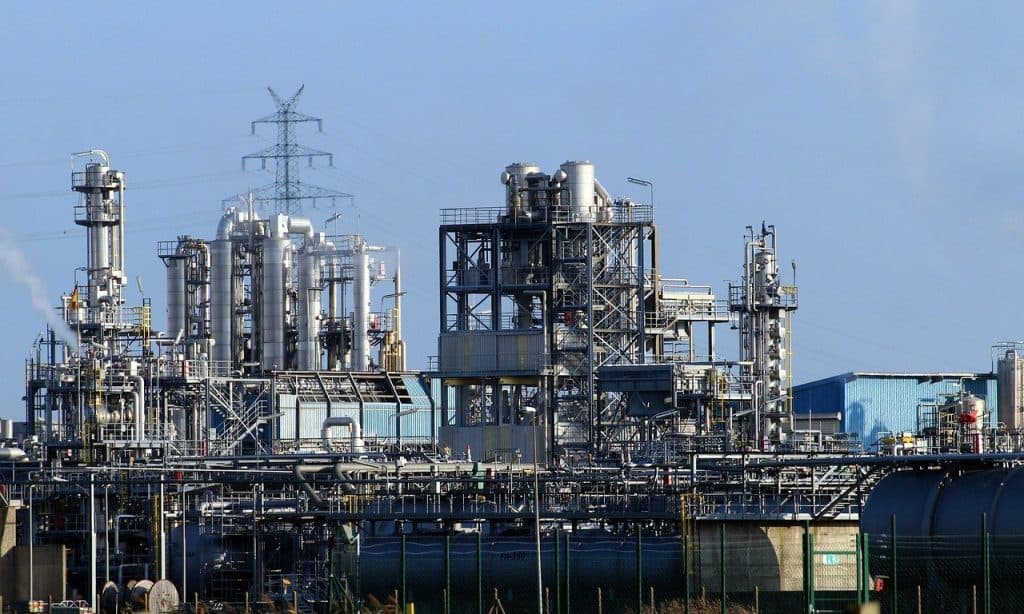
According to Reuters, India wants to reduce Russian oil supplies to below 1 million barrels per day as early as March, and gradually bring them down to around 500 thousand barrels per day. The main importer of Russian oil remains Nayara Energy, which is majority-owned by Rosneft and a group of investors with links to Russia. The company therefore came under the scrutiny of European and US sanctions even before its Russian parent company. Nayara operates refineries that process around 400 thousand barrels of mostly Russian oil per day.
Indian companies were also among the first to seek Venezuelan oil, which has come back into focus following US intervention in the country at the start of the year. Several Indian companies, including Reliance Industries, bought a total of around four million barrels of oil, which are expected to arrive in April. Although this could be seen as a conciliatory move towards the US, which has declared its intention to revive Venezuela’s oil industry, it is not an isolated case: Indian companies have bought Venezuelan oil before, most recently in 2024.
A trade deal on the horizon?
Last week, the US and India issued a joint statement on a free trade agreement. Details are still being negotiated, and many questions remain open. The statement does not explicitly mention Russian oil, but it has already prompted opposition from domestic groups to the reduction of some tariffs, which the two countries are expected to commit to. There is still considerable uncertainty in the energy sector.
Trump said that New Delhi plans a gradual phase-out of Russian oil and that the US will closely monitor Indian purchases. That will determine whether 25% tariffs are reintroduced. In early February, Russia said it had not yet seen any complete halt to Indian purchases.
Translation disclaimer
This article is a machine translation of the Czech original and has not yet been fully reviewed. In case of any doubt, please refer to the Czech version.