
23 October 2026, 14:38
Loading...
More oil on the market, weaker demand, says International Energy Agency

oEnergetice.cz, ČTK
14 October 2025, 10:56
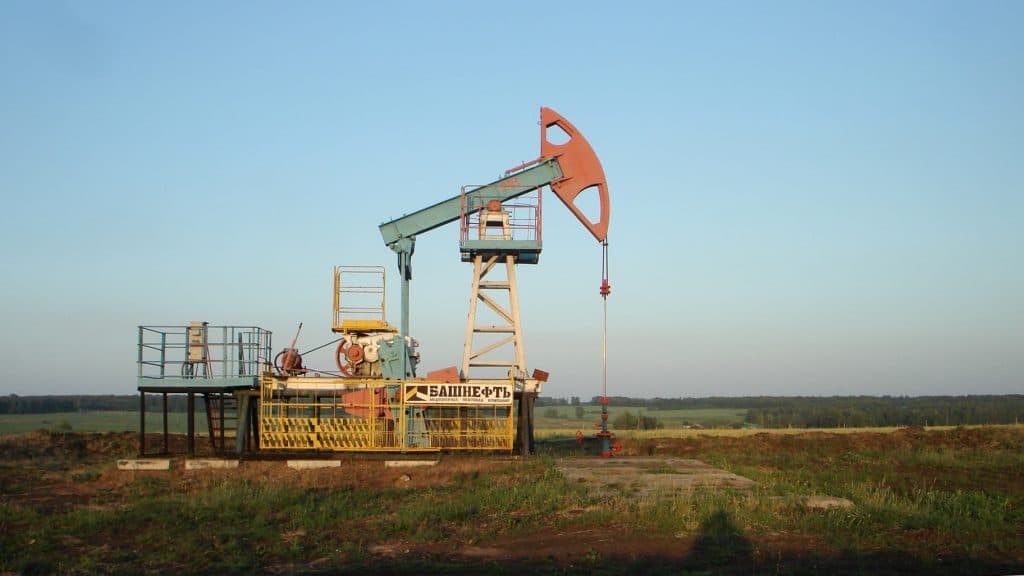
The International Energy Agency (IEA) has raised its forecast for global oil supply growth this year, while demand is set to grow more slowly due to economic difficulties and advancing electrification. The organization said this today in its regular monthly report on the market. Supply growth is being driven mainly by OPEC+, a group comprising the Organization of the Petroleum Exporting Countries (OPEC) and its allies led by Russia.
"Oil consumption will remain weaker for the rest of 2025 and in 2026. As a result, annual growth is expected to be around 700,000 barrels per day in both years," the agency said.
"That is significantly below the historical trend. The macroeconomic climate is worse, and transport electrification is also sharply slowing the pace of oil consumption growth," it added.
Demand rose by 750,000 barrels per day year on year in the third quarter. The petrochemical sector thus recovered from the second quarter, when growth stood at 420,000 barrels per day due to the negative impact of newly introduced tariffs. Oil supply then rose by a total of 760,000 barrels per day in September compared with the previous month, to 108 million barrels per day.
The IEA expects global oil supply to grow by three million barrels per day this year, to 106.1 million barrels per day, and forecasts a further increase of 2.4 million barrels per day next year.
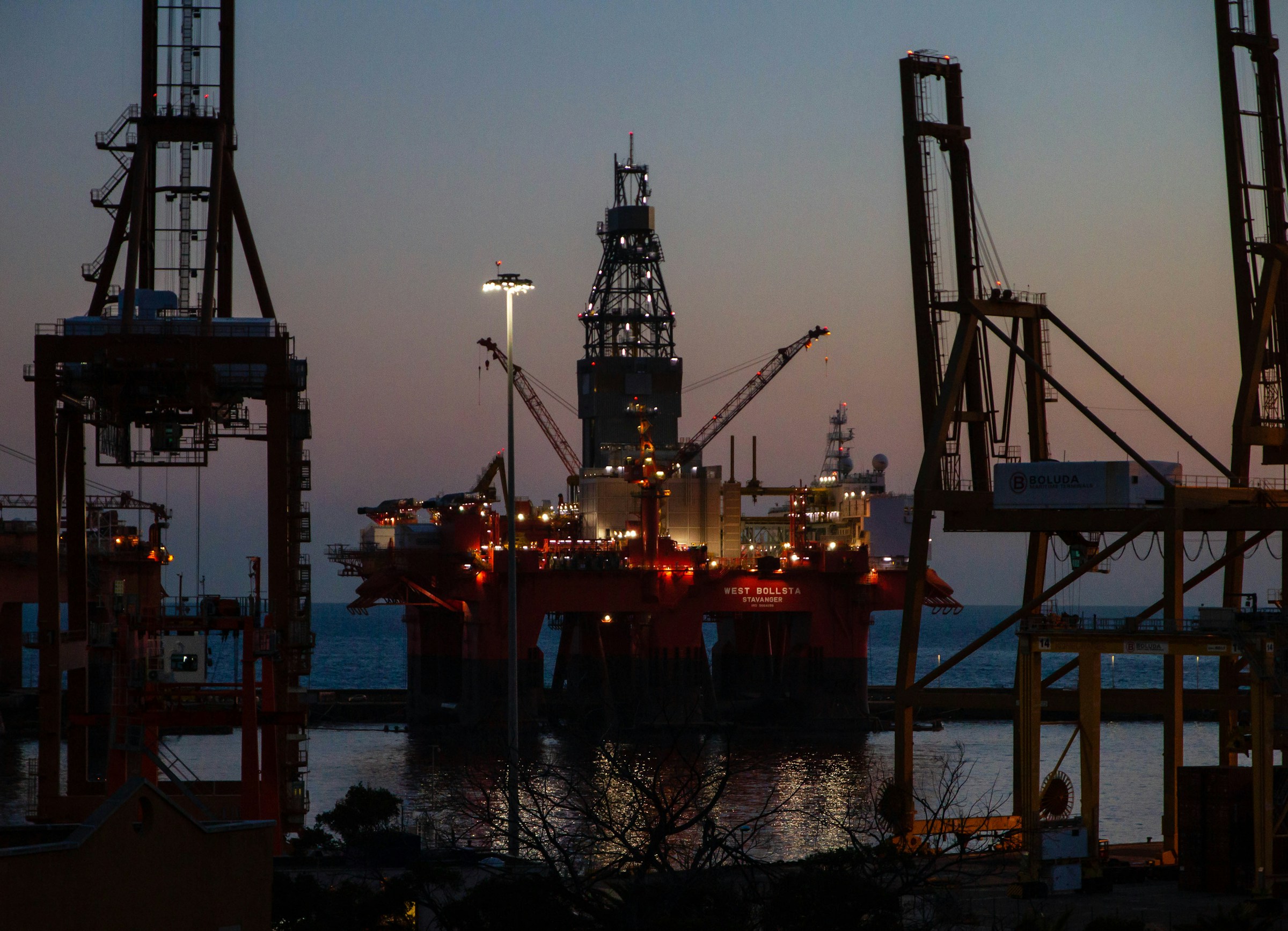
Illustrative photo
Countries outside OPEC+ will supply an additional 1.6 million barrels of oil per day this year, followed by a further 1.2 million barrels per day next year. The increase will be driven by higher output in the United States, Brazil, Canada, Guyana and Argentina. Under current production agreements, OPEC+ will supply an additional 1.4 million barrels this year and 1.2 million barrels next year.
Global oil stocks rose by a further 17.7 million barrels in August, reaching a four-year high of 7,909 million barrels. Total stocks in member countries of the Organisation for Economic Co-operation and Development (OECD) rose by 22 million barrels, while stocks in non-OECD countries increased by four million barrels. Rising oil stocks in China contributed to the increase, while the volume of oil in transit fell by eight million barrels. Preliminary data for September point to a marked increase in stocks, led by a 102 million-barrel rise in oil in transit.
Translation disclaimer
This article is a machine translation of the Czech original and has not yet been fully reviewed. In case of any doubt, please refer to the Czech version.
Sdílejte článek prostřednictvím:
You might also like


23 October 2026, 11:01


23 October 2026, 06:34