
23 October 2026, 14:38
Loading...
Oil companies step up exploration in anticipation of higher demand
Kristýna Klasová
3 September 2025, 13:05
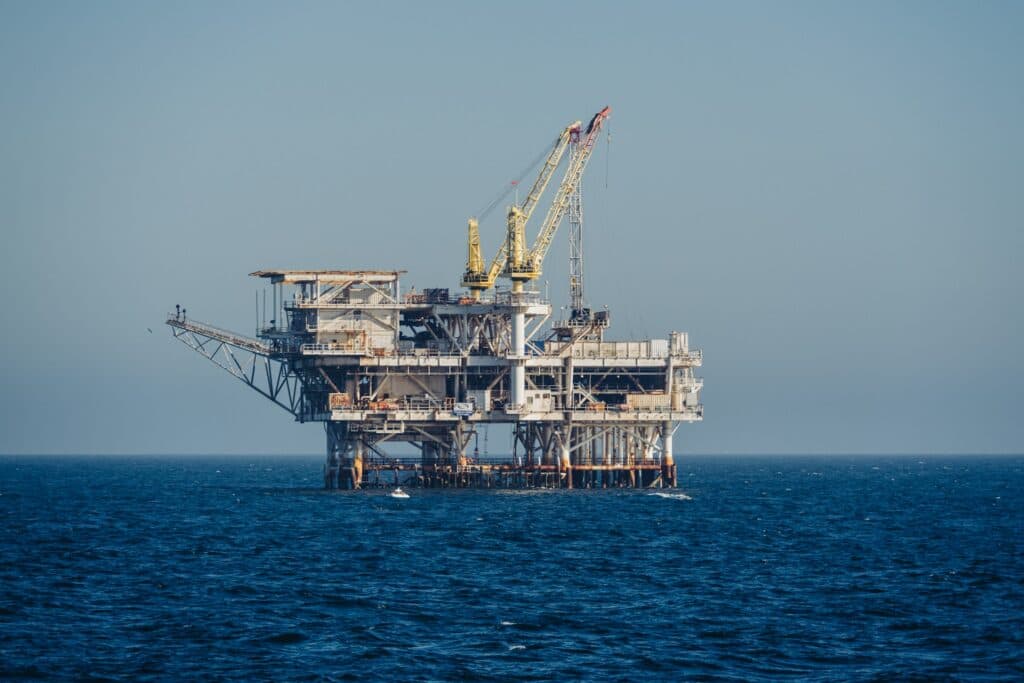
Global energy companies are once again stepping up exploration for oil and natural gas deposits. The reason is the slower energy transition. Energy companies expect the world to remain dependent on fossil fuels for decades to come, so they are once again investing in exploration for oil and gas deposits.
Slowing transition to clean energy
Although a faster pace of transition was expected, reality has proved different. According to the International Energy Agency (IEA), oil demand is expected to level off at around 105.5 million barrels per day by 2030, rather than falling sharply as previously anticipated. High inflation and rising interest rates have increased the cost of building renewable energy sources, slowing their development.
Geopolitical instability has also contributed to the slowdown in the transition. Conflicts such as the war in Ukraine and tensions in the Middle East have prompted governments to prioritise securing stable energy supplies, at the cost of slower decarbonisation. US President Donald Trump has also made a significant contribution to slowing the pace. He is openly supportive of the fossil fuel industry and, with the slogan "drill, baby, drill", is urging producers to make maximum use of fossil fuel resources.
A return to exploration
Major energy companies—BP, Chevron, ExxonMobil, Shell and TotalEnergies—have stressed in recent earnings presentations that, after years of prioritising renewables, they have begun refocusing on securing new oil reserves.
After investing in clean energy, BP announced plans for 40 new wells over three years and reported its largest discovery in 25 years off the coast of Brazil. Chevron expanded its portfolio by 11 million acres of new acreage and admitted that its exploration results to date had been disappointing. ExxonMobil is returning to exploration after years of focusing on other activities. It is launching projects in Libya and Trinidad and Tobago. TotalEnergies and Shell report new licences stretching from the US to Malaysia and Algeria.
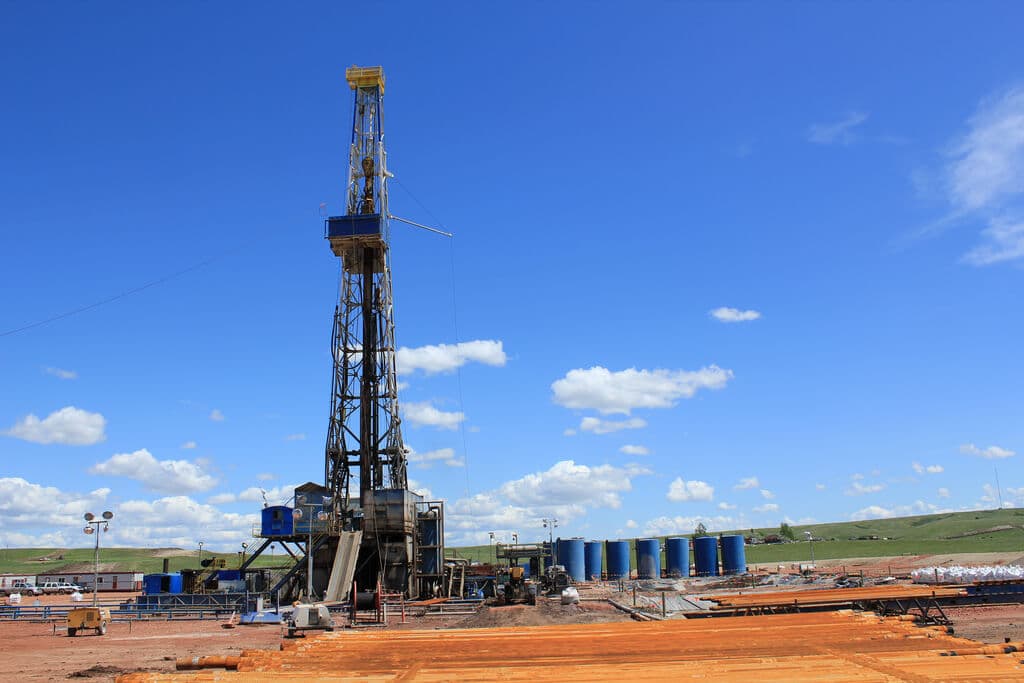
Source: Flickr / Lindsey G / CC BY 2.0
Rising demand and fears of shortages
According to consultants at Wood Mackenzie, a slower transition could mean that from the mid-2030s the world will need 5% more oil each year than previously expected. That would require more than 100 billion additional barrels by 2050. The industry is now making up for lost ground after years in which the search for new reserves was scaled back.
Technology as a weapon in the race for resources
Oil companies are using new technologies that allow them to step up exploration without a dramatic increase in costs. Chevron uses miniature seismic nodes on the seabed, which, with the help of AI, allow data to be processed in minutes rather than months. BP, meanwhile, used technological innovations to plan a complex well in Azerbaijan in just a few days.
While only a few years ago it seemed that oil companies would fade into the background, today they are strengthening their role once again. Trump's “drill, baby, drill” has become a symbol of political pressure to support production. Doubts about the pace of the green transition have always existed. Rising costs, geopolitical upheaval and governments' focus on energy security are now reinforcing those doubts. It remains uncertain whether new investments in fossil fuel resources will be enough to meet rising demand. It is also unclear whether governments will be able to maintain the delicate balance between energy security and climate commitments.
Translation disclaimer
This article is a machine translation of the Czech original and has not yet been fully reviewed. In case of any doubt, please refer to the Czech version.
Sdílejte článek prostřednictvím:
You might also like


23 October 2026, 11:01


23 October 2026, 06:34