3 October 2026, 13:01
Loading...
OPEC+ loses its grip on the oil market as war with Iran changes the rules of the game

oEnergetice.cz, ČTK
27 August 2026, 14:40
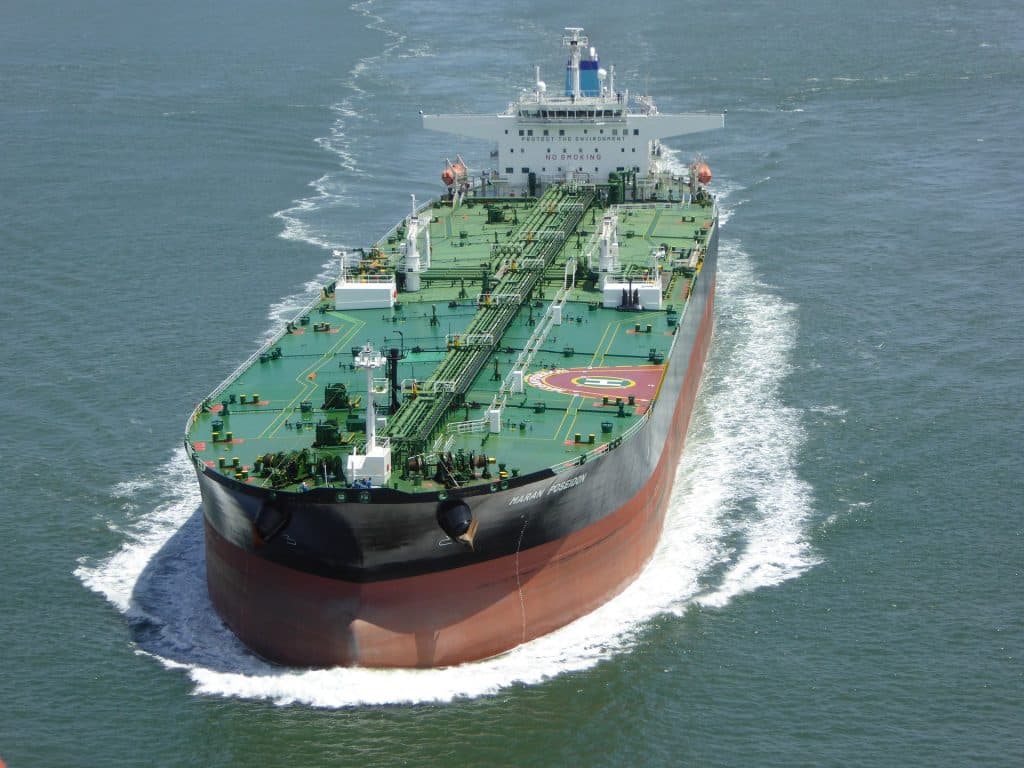
Six months after the conflict with Iran began, OPEC+, a group that brings together the Organization of the Petroleum Exporting Countries (OPEC) and its allies, led by Russia, finds itself in an unusual position: it is losing its ability to influence a market it once helped shape. The war, which has closed a major route for Middle Eastern oil exports and damaged energy infrastructure in several OPEC countries, has weakened the group’s market share and, in turn, its ability to influence prices. Its statements and policy decisions now have little impact on the oil market, Reuters reported today.
Instead, a decline in oil imports to China has become one of the dominant themes of this year. It is helping to balance the market at a time when the war has caused what analysts say is the biggest oil supply disruption on record.
In July, OPEC+ accounted for around 40 percent of global production, according to Reuters calculations based on data from the International Energy Agency (IEA). That is down from more than 48 percent before the US and Israeli attack on Iran in February, although the United Arab Emirates’ departure from OPEC in May accounted for roughly four to five percentage points of the decline. The core OPEC+ members—a group of seven countries including Saudi Arabia and Russia—accounted for only about 25 percent of global production in July.
The war has limited OPEC+’s ability to quickly increase or reduce oil supplies because the conflict has effectively closed the Strait of Hormuz, a key route for oil exports from Saudi Arabia, OPEC’s largest producer. The situation has also adversely affected other group members, such as Iraq and Kuwait.
OPEC was founded in 1960. The expanded OPEC+ group has existed since 2016, when Russia and other producers joined the organization to jointly respond to OPEC’s declining share of global oil production.
OPEC’s share of global production peaked at around 50 percent during the oil crises of the 1970s. By the mid-1980s, however, it had fallen to about 30 percent as production in the North Sea, Alaska and Siberia rose sharply.
Supply disruptions during wartime are nothing new for OPEC. The group faced them, for example, in Kuwait during the 1990–1991 Gulf War and in Iraq after the US-led invasion in 2003. What is unusual now is the scale of the disruption, with production and exports constrained at several producers at the same time. This leaves the group less able to make up for supply shortfalls in one country by increasing production elsewhere.
OPEC+’s core members have announced six oil production increases since March. But because of the blockade of the Strait of Hormuz, most of these decisions have remained on paper and had little effect on oil prices. The exception was July, when a brief ceasefire between the US and Iran raised hopes that the Strait of Hormuz would reopen. Before the war, markets focused on how much oil OPEC+ would decide to produce. Now attention is on how much oil the group is able to produce and export.
One of the main factors influencing oil prices this year is the sharp decline in Chinese imports. Since the start of the war, China has bought around 400 million fewer barrels of oil than in the same period last year. The decline is due to a ban on fuel exports, lower output at Chinese refineries and the growing use of electric vehicles.
The trend also points to China’s growing importance in balancing the global oil market. Until now, this role has been played mainly by OPEC+, which could increase or reduce production as needed and thereby influence supply. Weaker demand from China has therefore helped put a ceiling on oil prices this year.
Translation disclaimer
This article is a machine translation of the Czech original and has not yet been fully reviewed. In case of any doubt, please refer to the Czech version.
Sdílejte článek prostřednictvím:
You might also like
3 October 2026, 07:43
2 October 2026, 21:55
2 October 2026, 15:14