Orlen and its Czech refinery in Litvínov definitively end Russian oil imports, newspaper reports

Polish petrochemical group Orlen is definitively saying goodbye to Russian oil, the newspaper Rzeczpospolita reported on its website, noting that the last contract for importing oil from Russia to the group's Czech refineries expires today. Deliveries effectively ended in March. European Union countries began rejecting Russian oil and gas years ago, citing primarily the need to diversify supplies. They accelerated the process further after Russia's military invasion of Ukraine in February 2022.
"From tomorrow (Tuesday - CTK note), Orlen and our entire region will no longer be bound by any agreements concerning Russian crude," the newspaper stressed.
"We stopped using the Druzhba oil pipeline at the beginning of March this year. We were prepared for this situation, so the shift away from the Druzhba pipeline and the move to new oil blends from around the world went smoothly, with no impact whatsoever on the Czech market or motorists. I would like to thank the representatives of the Czech state once again for their swift and professional cooperation, which made it possible to carry out this change quickly and without difficulty," Mariusz Wnuk, chairman of the board and CEO of the Orlen Unipetrol Group, said in a statement provided to CTK by the company.
Oil stopped flowing to Czechia through the Druzhba pipeline at the beginning of March. Since then, supplies have come only via the western route through the IKL and TAL pipelines. This spring, the Czech state brought the expanded TAL pipeline into operation, enabling it to deliver up to eight million tonnes of oil a year, enough to fully cover the demand of refineries in Czechia. The Litvínov refinery also began processing oil from TAL in April, meaning that for the first time since 1965 it no longer uses Russian oil delivered through the Druzhba pipeline.
The TAL pipeline starts in Trieste, where oil is shipped from several countries and continents. The largest share comes from areas around the Caspian and Black seas, the United States and Africa.
Rzeczpospolita noted that since March all Orlen-owned refineries have been supplied with oil from sources other than Russia. The last valid contract was an agreement signed 12 years ago with Russian company Rosneft to supply the Litvínov refinery.
"We have closed this chapter and are building a secure future for the region together. We buy oil from around the world. Our refineries process crude from the Middle East and the Persian Gulf, the North Sea, Africa, and both Americas," Orlen chief Ireneusz Fonfara said in a statement.
He added that the support of the Polish government and cooperation with partners, particularly pipeline operators, had made it possible to end dependence on Russian commodities.
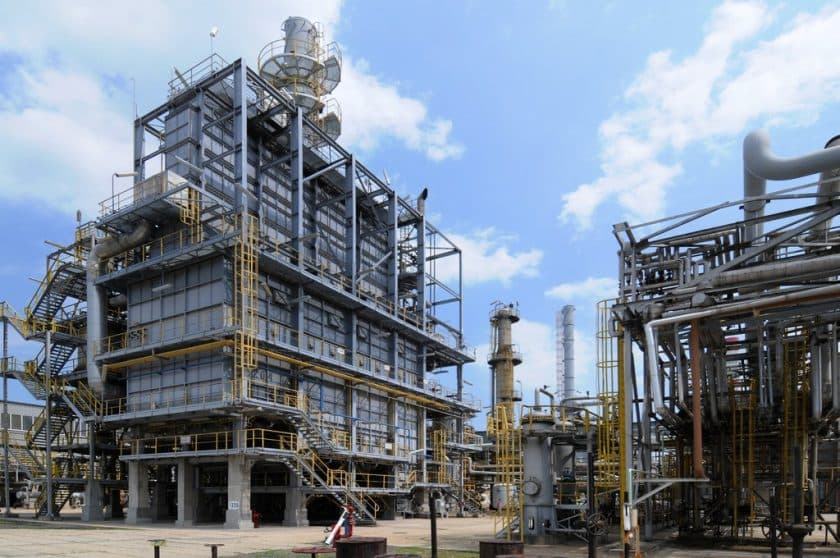
Orlen owns two refineries in Czechia: one in Litvínov, which can process 5.4 million tonnes of oil a year, and one in Kralupy, with a capacity of 3.3 million tonnes of crude.
After the war in Ukraine began, the Litvínov refinery continued receiving crude from the east via the Druzhba pipeline because there was not enough capacity in pipelines that could enable imports from other regions. The Czech government asked the European Union for an exemption from sanctions. This exemption gave Mero time to increase the capacity of the TAL pipeline. At the same time, Orlen was preparing the refinery to process types of oil other than Russian crude. Orlen was then able to switch to processing crude from alternative sources in March.
Czech refineries are currently supplied with oil from the North Sea and the Mediterranean, as well as from Saudi Arabia, North and South America, and Africa, the Polish newspaper added.
Translation disclaimer
This article is a machine translation of the Czech original and has not yet been fully reviewed. In case of any doubt, please refer to the Czech version.