4 October 2026, 21:07
Loading...
Slovakia reports oil returning via Druzhba, Fico speaks of geopolitical game

oEnergetice.cz, ČTK
23 April 2026, 10:49
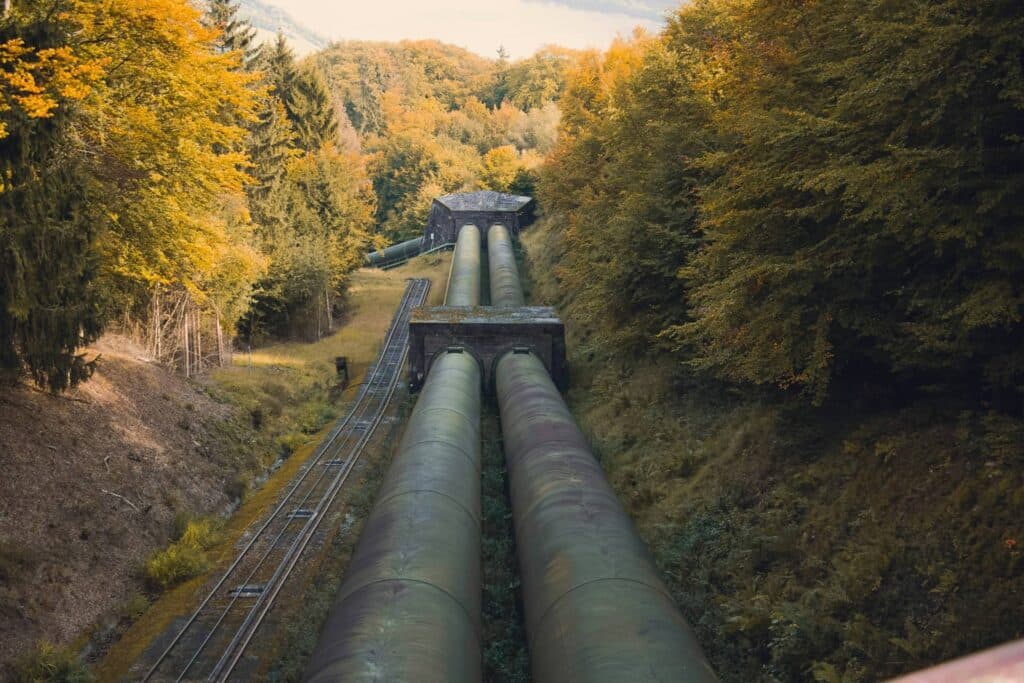
Bratislava, April 23 (CTK correspondent) - Slovakia began receiving oil via the Druzhba pipeline at two o’clock this morning, Economy Minister Denisa Saková wrote on social media. Supplies of crude oil through the pipeline via Ukraine to Slovakia and Hungary were halted at the end of January, which Kyiv said was due to a Russian attack on Ukrainian energy infrastructure. Slovak Prime Minister Robert Fico said the resumption of operations on the Druzhba pipeline confirms that it was not damaged.
"Oil supplies via the Druzhba pipeline will contribute to stability, perhaps not only in the Central European region but across Europe as a whole," Saková told reporters.
The Bratislava-based Slovnaft refinery is already operating at full capacity and processing around 17,000 tonnes of oil per day, according to the minister. Slovnaft, which is part of Hungarian petrochemicals group MOL and has long exported a significant share of its output, including to the Czech Republic, temporarily cut production after oil supplies via the Druzhba pipeline were halted.
Fico said 13,500 tonnes of oil were scheduled to be imported via the Druzhba pipeline today, and that supplies to Slovakia along this route should reach 119,000 tonnes by the end of April.
"I believe the reopening of the Druzhba pipeline is clear confirmation that the Druzhba pipeline was not damaged. The Druzhba pipeline and oil were used as tools in the geopolitical struggle currently under way," Fico said at a joint press conference with Saková.
In connection with the resumption of oil supplies via Ukraine, Fico also expressed gratitude to the European Commission (EC), although he had previously criticized it, saying the EC had not acted more decisively on the matter.
Governments in Bratislava and Budapest had repeatedly accused Ukraine of deliberately delaying the resumption of Russian oil transit. In response, Hungary blocked the release of an EU loan of 90 billion euros (2.2 trillion crowns) to Ukraine. Slovakia, meanwhile, made its approval of another package of EU sanctions against Russia over its ongoing military aggression in Ukraine conditional on the Druzhba pipeline being brought back into operation.
On Wednesday, when the pipeline began filling on the Ukrainian side according to Bratislava, Slovakia and Hungary lifted their block on the EU decisions in question. Ukrainian President Volodymyr Zelenskyy had earlier announced that repairs to the pipeline had been completed.
Following the start of Russia’s military invasion of Ukraine in February 2022, the European bloc began reducing its dependence on Russian energy. Slovakia and Hungary, however, received an exemption from EU sanctions on imports of Russian oil.
After oil supplies via the Druzhba pipeline were interrupted, Slovakia declared an oil emergency and provided the Slovnaft refinery with oil from state reserves. Slovnaft then secured alternative oil supplies via the Adria pipeline, which starts in Croatia. It has since returned the oil it borrowed from the state. Despite this, Fico’s cabinet kept the oil emergency in force, allowing Bratislava, for example, to introduce dual diesel prices. The measure, which the government extended by a further 30 days last week and which the European Commission criticized, has in practice led to higher diesel prices in Slovakia for cars with foreign license plates.
Translation disclaimer
This article is a machine translation of the Czech original and has not yet been fully reviewed. In case of any doubt, please refer to the Czech version.
Sdílejte článek prostřednictvím:
You might also like
3 October 2026, 13:01
3 October 2026, 07:43
2 October 2026, 21:55