Traffic through the Strait of Hormuz is minimal, with sharp oil price rises looming

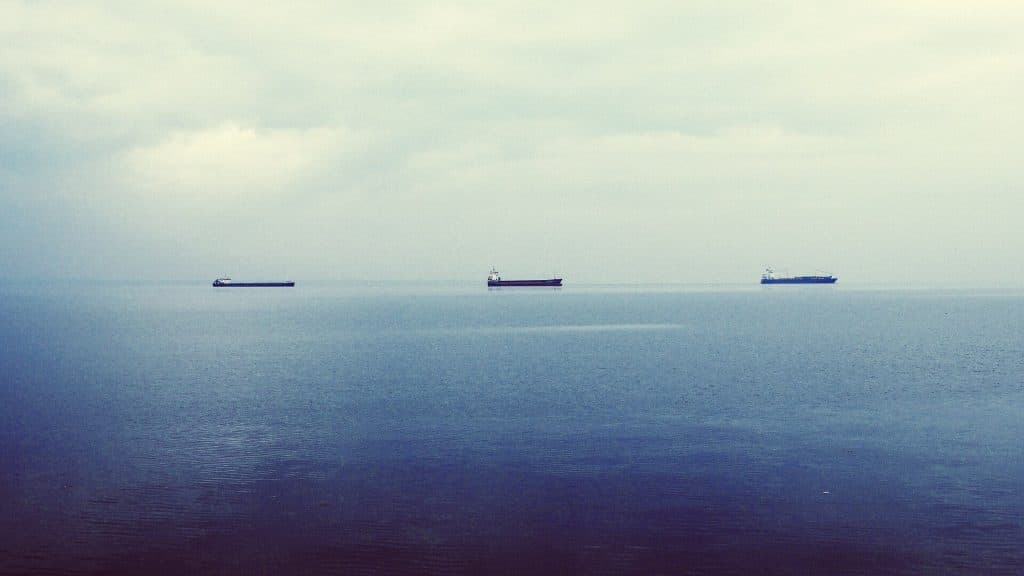
Shipping traffic through the Strait of Hormuz has largely ground to a halt following US and Israeli strikes on Iran. Bloomberg reported that Iranian media say the vital shipping route is “effectively closed”. Under normal conditions, roughly one-fifth of the world’s oil supplies pass through the Strait of Hormuz. Helima Croft, an analyst at RBC Capital Markets, said that if the conflict continues to escalate, oil prices could rise above $100 a barrel.
“The ultimate impact of today’s military action on oil prices will likely depend on whether the Islamic Revolutionary Guard Corps caves under the pressure of airstrikes or continues to escalate the conflict to significantly raise the costs of Washington’s second regime-change operation in just over two months,” Croft told Reuters.
“Our information is that regional leaders warned Washington about the risks of further confrontation with Iran and indicated that oil prices above USD 100 a barrel pose a clear and immediate danger,” the analyst added.
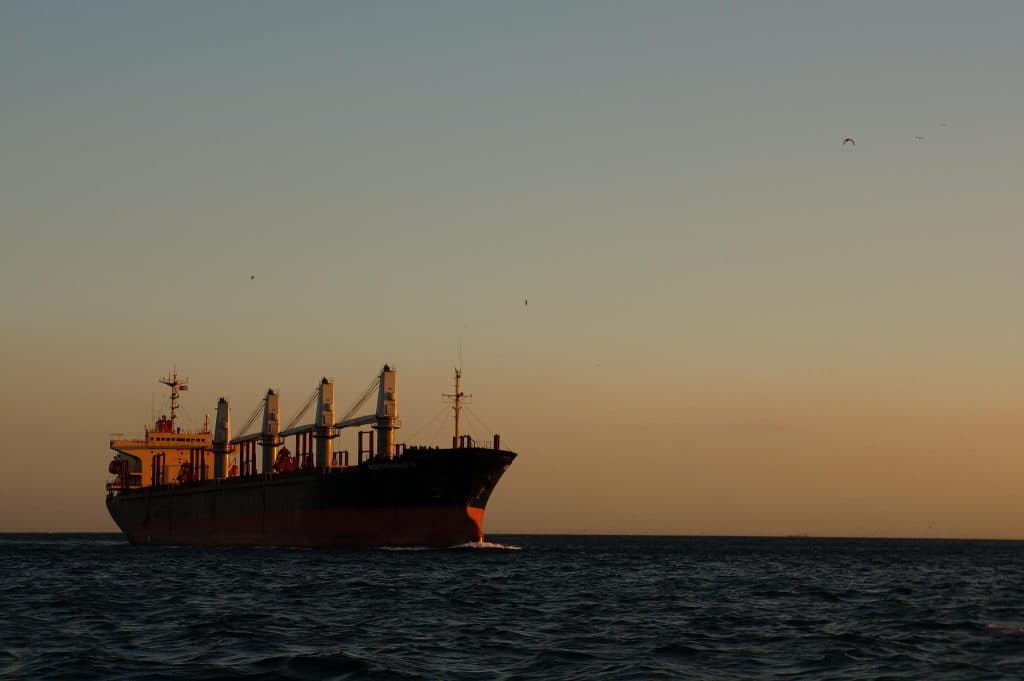
Several tankers turned back on Saturday, while other vessels waited at the entrance to the strait. According to Bloomberg, ships picked up radio transmissions apparently from the Iranian navy announcing a ban on transit, although Tehran has made no formal announcement of an official closure of the area.
Iran’s Tasnim news agency, however, said the strait was “effectively closed”. The Revolutionary Guards warned ships that it was not safe to sail through the area. German shipping company Hapag-Lloyd subsequently announced that it was suspending voyages through the strait because of its “official closure”. Nevertheless, a limited number of tankers continued to pass through, Bloomberg reported, although traffic was far below normal levels.
The United States has meanwhile warned shipping companies to keep vessels at least 30 nautical miles away from its military assets in the region. Japan’s Nippon Yusen had earlier advised its fleet to avoid the strait.
Greece urged its large merchant fleet to reconsider its sailing plans. The Greek Ministry of Shipping also advised vessels to prepare to use conventional navigation methods without electronics because of the risk of interference.
The impact on oil prices is already evident. Markets are closed for the weekend, but IG Group’s retail trading product priced US light crude WTI more than eight percent higher on Saturday evening, according to Bloomberg.
The disruption affects not only oil tankers but also liquefied natural gas (LNG) carriers and container ships. At least three gas tankers heading to or from Qatar suspended their voyages to avoid the strait, according to vessel-tracking data. Qatar is the world’s second-largest LNG exporter, and its shipments must pass through the strait on their way to Asia and Europe. Brokers say some shipping companies are also considering cancelling voyages to the region that have already been agreed, citing war clauses in their contracts.
Translation disclaimer
This article is a machine translation of the Czech original and has not yet been fully reviewed. In case of any doubt, please refer to the Czech version.