3 October 2026, 13:01
Loading...
US strategic oil reserves at their lowest level in 42 years

oEnergetice.cz, ČTK
16 June 2026, 10:34

Oil stocks in the United States’ Strategic Petroleum Reserve (SPR) have fallen to 340.3 million barrels, their lowest level since 1983. This is according to data released by the US Department of Energy. The figures show how tight the market is at a time when the US and Iran have agreed to end the war and reopen the Strait of Hormuz, Reuters noted.
SPR oil stocks fell by 8.9 million barrels last week, the third-largest weekly decline on record. The drawdown is part of a programme under which the US lends oil to the market to help curb rising fuel prices, which have climbed to multi-year highs in recent months.
In early March, the US agreed to release 172 million barrels from its strategic reserves. The decision was part of a coordinated release of 400 million barrels by members of the International Energy Agency (IEA). This was the largest release of stocks in the organisation’s history.
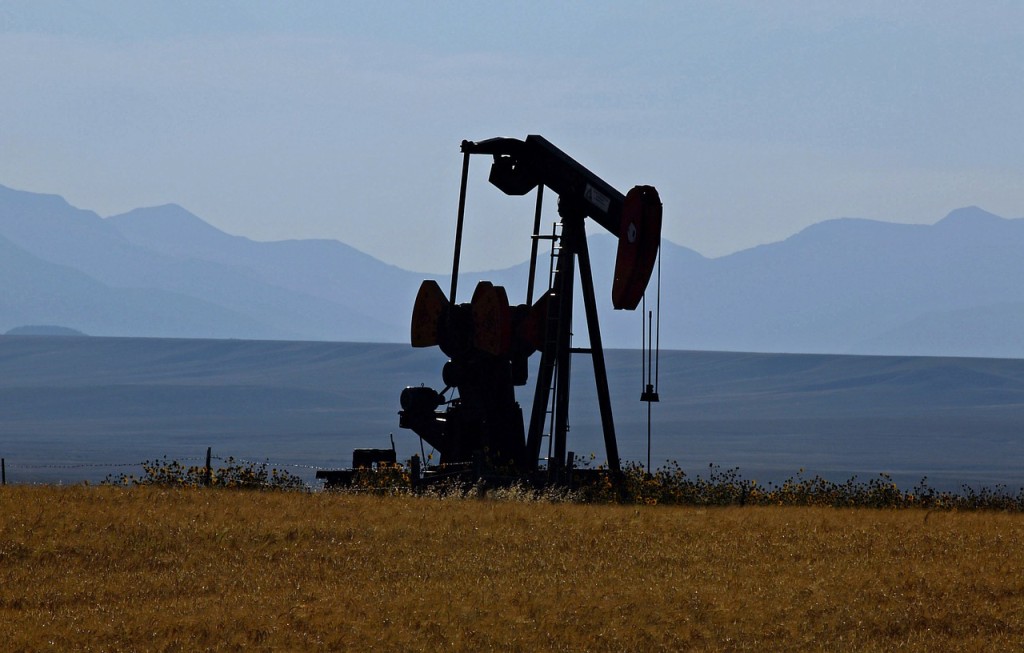
Source: Pixabay
The decline in stocks comes amid increased demand for US oil. Both commercial stocks and strategic reserves have fallen significantly since the war with Iran began in late February. This is due to strong demand from refineries and exporters, which are helping to replace supply shortfalls on the global market. Stocks in Cushing, Oklahoma, the main storage hub for US WTI crude, have also approached their operational minimum, heightening concerns about tight market conditions.
The volume of oil in the SPR has fallen below the level recorded under former President Joe Biden, when reserves reached a low of 346.8 million barrels following a record release of oil to the market after Russia’s invasion of Ukraine.
Under the current programme, companies must repay the oil they borrow at a later date, along with an additional quantity as a form of interest. The Department of Energy says this mechanism helps stabilise the market at no cost to US taxpayers.
Translation disclaimer
This article is a machine translation of the Czech original and has not yet been fully reviewed. In case of any doubt, please refer to the Czech version.
Sdílejte článek prostřednictvím:
You might also like

3 October 2026, 07:43

2 October 2026, 21:55

2 October 2026, 15:14