7 October 2026, 19:33
Loading...
Western refineries face further decline. Europe to lose a fifth of capacity, analysts say
Adam Sosna
23 August 2026, 09:37
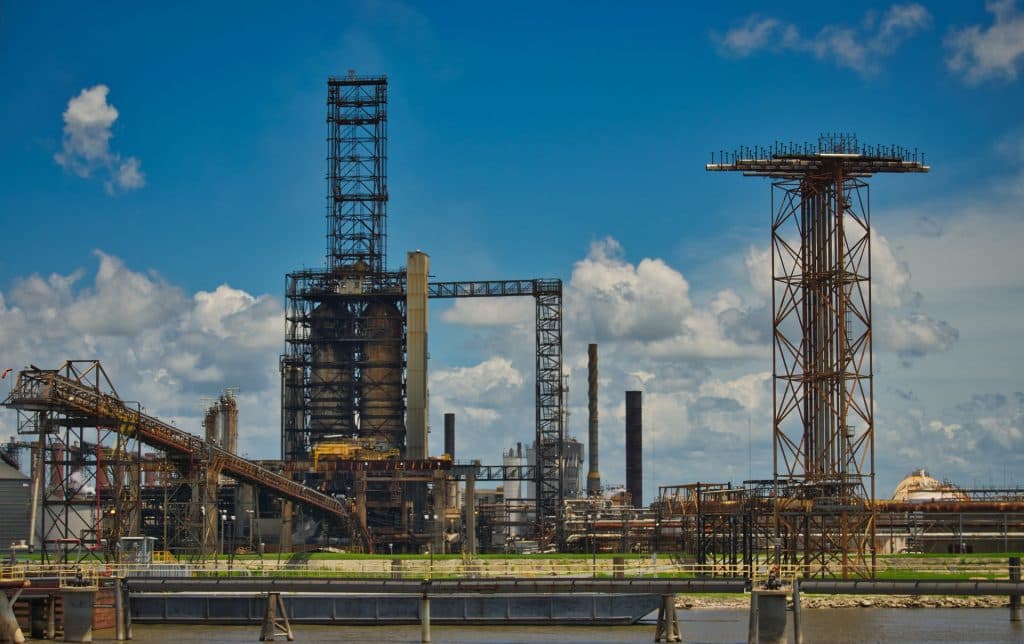
Refineries in Europe and the United States face uncertain long-term prospects despite their current utilisation rates. Investors are increasingly unwilling to spend large sums on facilities that could become economically unviable before the end of their operating life. As a result, some plants face closure rather than upgrades, negatively affecting Western countries' ability to produce petroleum products. Production is increasingly shifting outside Europe, where new, more technologically efficient facilities are being built.
The processing capacity of European refineries is expected to decline by up to a fifth over the next ten years. This is despite European facilities currently operating at the very limits of their capacity due to the energy crisis triggered by the war in Iran.
While government representatives across the continent are calling for increased capacity in the strategically important oil sector, investors are unwilling either to build new plants or to carry out costly upgrades of existing facilities. The result is a gradual decline in the ability to produce petroleum products in both Europe and the United States, where the situation is similar.
According to a forecast by S&P Global Energy, European oil refinery capacity will fall to as little as 9 million barrels per day by 2035, representing a 20 % decline. At the start of the century, European refineries had total capacity of 14 million barrels per day. In the United States, experts expect a more modest decline of 7 %. By contrast, capacity is expected to rise significantly in other regions, including the Middle East, Africa and Asia.
Even the energy crisis has not helped the sector
According to S&P analysts, even the shock caused by the US war against Iran has not altered the sector's downward trajectory. Although the consequences of the conflict have clearly intensified debate on the strategic importance of oil facilities, the causes of the long-term trend of declining capacity have not been removed. This is despite refineries in Europe and the United States operating at the limits of their capacity this year and generating exceptional profits. In Europe, the refining sector is struggling mainly with high energy and emissions costs, ageing infrastructure and competition from modern facilities being built outside Europe.
Another significant cause of the trend is the medium- and long-term outlook for demand for petroleum products, particularly petrol and diesel. According to analysts, one factor is the continuing rise of electric mobility. Demand for electric vehicles rose by 48 % in Germany and by as much as 63 % in France in the first half of the year.
Although the vast majority of road transport remains dependent on petroleum products, the long-term outlook is affecting investors' expectations. They question the economic rationale for upgrading some European refineries. These typically require major investments of up to hundreds of millions of dollars in multi-year cycles. Some older or smaller facilities are therefore likely to be shut down in the coming years.
A wave of closures has already occurred in recent years. Last year, Europe lost processing capacity of 500 thousand barrels per day. In the United Kingdom, two of the six refineries closed. For example, Scotland's Grangemouth was converted into an import terminal, reflecting the trend towards greater dependence on imports of petroleum products that Europe is likely to face in the future.
Translation disclaimer
This article is a machine translation of the Czech original and has not yet been fully reviewed. In case of any doubt, please refer to the Czech version.
Sdílejte článek prostřednictvím:
You might also like
7 October 2026, 16:15

7 October 2026, 11:20