Decentralised energy options in Czechia
The market operator is required to submit an annual report on how the balance between electricity and gas supply and demand is ensured. This year's report was devoted to decentralisation.
Author's introduction
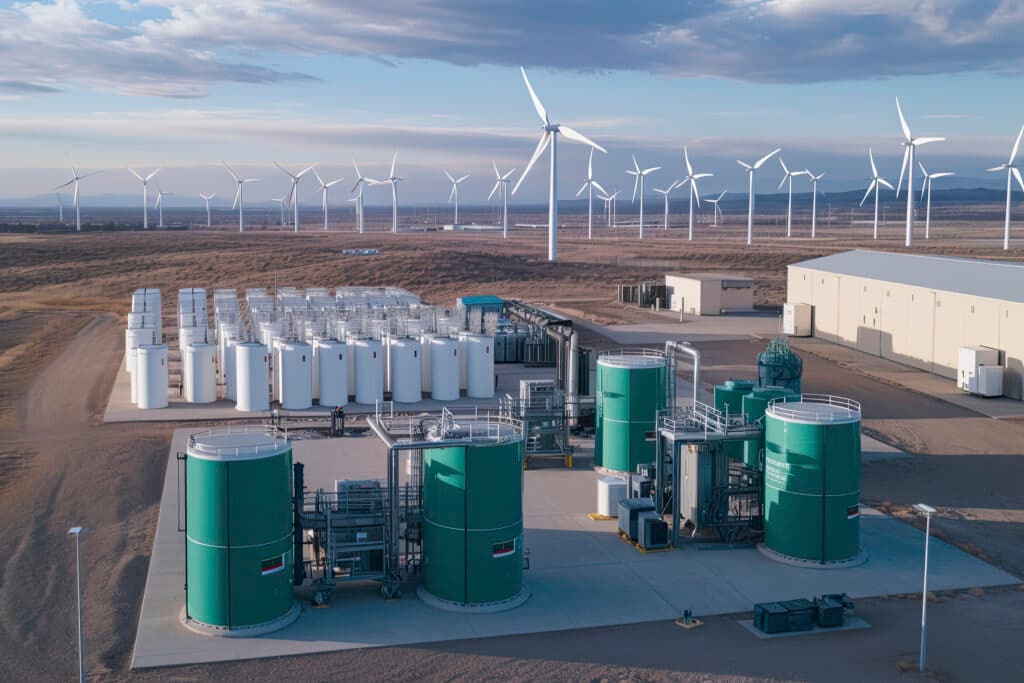
Decentralised energy is a term that thoroughly permeates the promotional materials of foreign and, of course, Czech environmental movements. Applied to the electricity sector, broadly speaking, it means a transition from the current energy model based on a limited number of generation sources with high installed capacity to a large number of local renewable energy sources (RES) with significantly lower installed capacity, which, given their enormous number, should nevertheless generate a comparable amount of electricity.
It is clear why environmental circles are so fond of this term. If you let your imagination run a little wild and do not allow yourself to be overly constrained by the technical conditions and consequences—which is not really a problem for the typically humanities-educated people involved in these movements—and project your political orientation (usually distinctly left-wing) onto this essentially technical concept, you have an ideal tool for fighting “for socialism against energy monopolies”, usually personified by large energy companies.
In this context, I would like to make one personal remark about the absurdity and, let us say, slight belatedness of this “political struggle”, which in the energy sector is still in its initial phase. Energy companies naturally recognised the market potential of RES as soon as the environmental movement succeeded politically in securing ideologically motivated massive state subsidies for this sector, in connection with the ongoing “fight to protect the climate”. In other words, thanks to their know-how, human and financial resources, and knowledge of the legislative environment, energy companies have already carved up a significant part of the European and global RES market, while their share can be expected to increase in the coming decades due to the general economic tendency towards capital concentration. After all, this economic trend is broadly confirmed by technological developments in, for example, Germany, where “decentralised RES” are currently being built in the form of offshore wind farms with capacities in the hundreds of MW and investment costs of billions of euros. The original idea from the propaganda materials of activist environmental groups in the 1990s—of a flood of romantic rooftop photovoltaics, garden wind turbines, small biogas plants and other biomass-processing technologies run by local farmers—has mutated somewhat…
OTE study
The aim of the referenced study was to describe possible future scenarios for the development of the electricity and gas sectors in Czechia through to 2050, identify problematic or potentially dangerous trends, and present possible constraints and risks. At the outset, the study's authors defined the questions below, which should be of interest to anyone involved in or publicly presenting themselves as an energy expert:
- Can decentralised energy replace centralised energy in Czechia? If so, under what conditions?
- How will demand for electricity develop in the Czech Republic and Central Europe?
- How might the development and operation of Czech electricity system generation capacity evolve? How will different development paths affect the reliability of its operation?
- What will supply and conditions be like on the European electricity market? Will the shape of the market environment in Central Europe change significantly?
- Will electricity grid capacity be sufficient? What measures could be taken to reinforce it if necessary?
- What are the technical, economic, environmental and security implications of different paths for electricity sector development?
Study conclusions
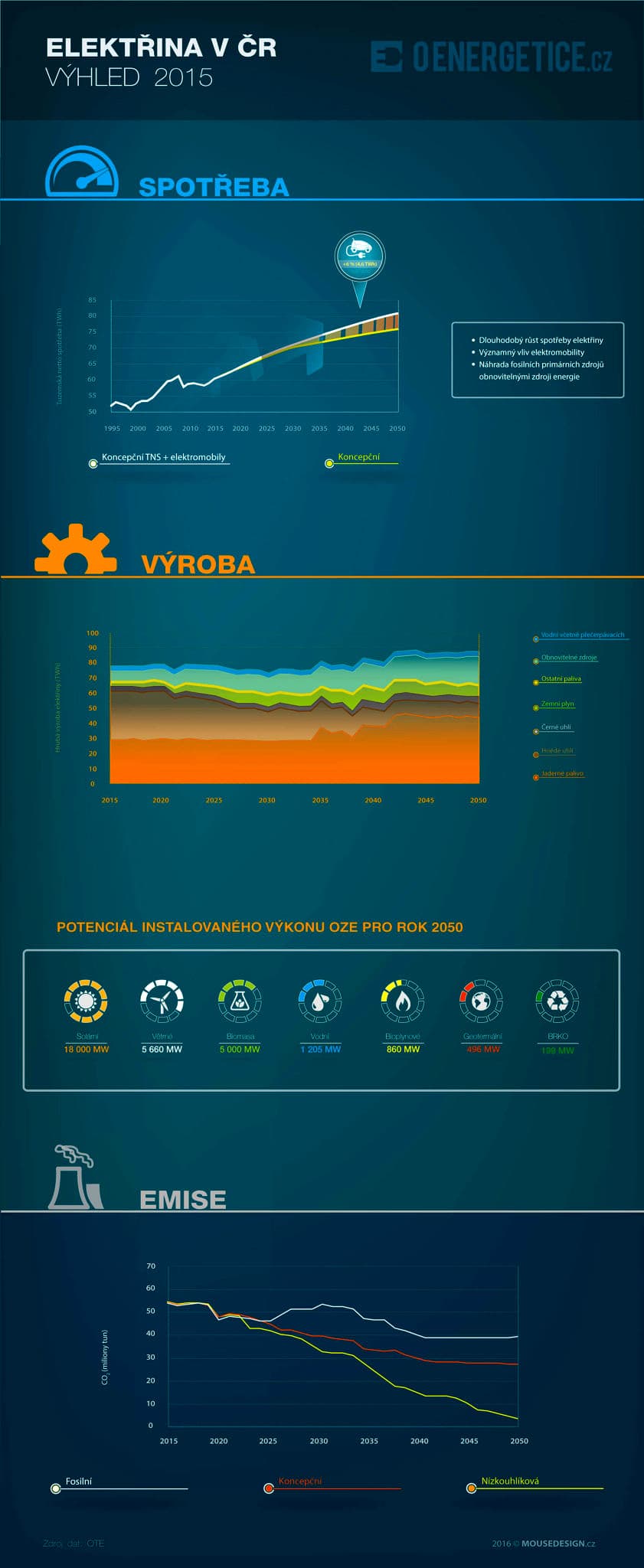
The analyses prepared for the 2016 Report on Expected Future Electricity and Gas Consumption focused on decentralisation. The impacts of two extreme development options were compared: the Centralised option, based on the assumption that the trend towards energy decentralisation does not take hold, and the Decentralised option, which assumes the highest possible share of decentralised sources in the energy mix. Alongside these options, the Policy option was analysed, modelling development in line with the valid State Energy Policy. For completeness, I should add that a so-called Zero option was also prepared, based on a scenario in which no new electricity generation sources are built in the Czech electricity system in the future. The options were formulated as case studies describing possible future developments in the respective cases.
Key conclusions (quoted verbatim from the study):
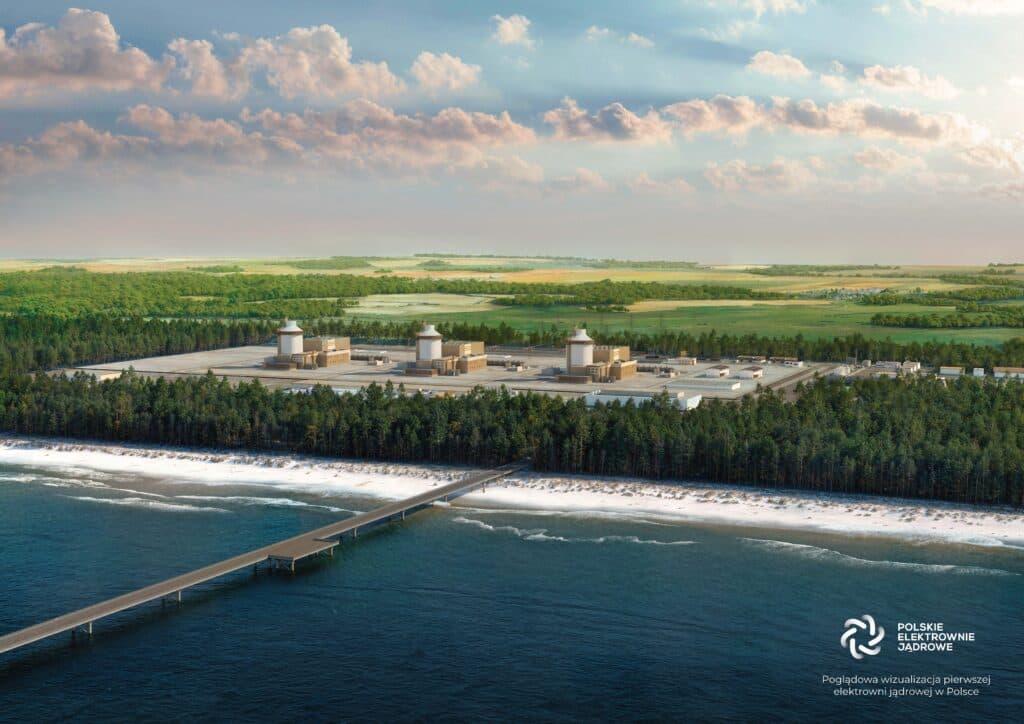
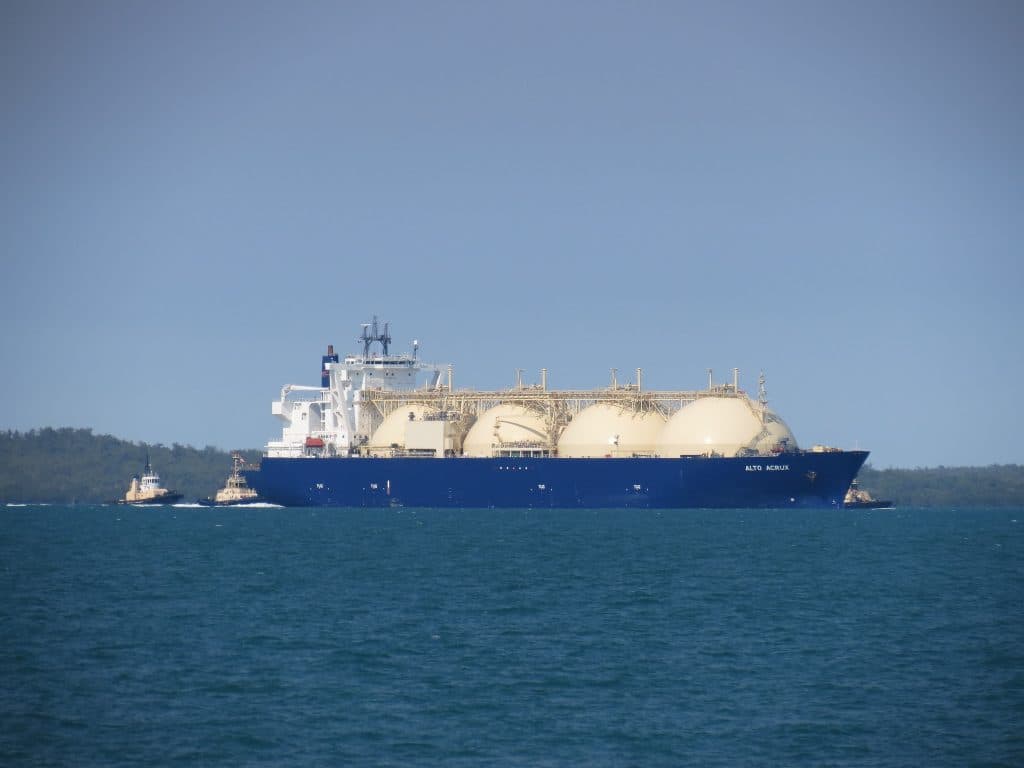
1. The shutdown of large generating plants, notably the Dukovany Nuclear Power Plant and some large lignite-fired power plants, cannot be replaced by the development of small-scale energy. Commissioning new nuclear units is essential for Czechia to be self-sufficient in meeting electricity demand. The only alternative is the deployment of a larger number of gas-fired combined-cycle units, with a negative impact through increased Czech dependence on imports of primary energy sources and higher greenhouse gas and pollutant emissions. There is a risk that, depending on circumstances, the electricity system may be impossible to operate without foreign assistance from 2028 to 2030.
2. Overall, according to the analyses carried out, decentralised energy in Czechia could account for at most 50% of electricity demand coverage in 2050, including the maximum potential increase in decentralised renewable sources and in small gas-fired sources.
3. A centrally conceived energy system places the lowest demands on changes and investment and ensures the safest operation, with the highest availability of reserve and balancing capacity; however, it also delivers a less pronounced reduction in pollutant and greenhouse gas emissions.
4. Total electricity demand will rise with an increasing degree of decentralisation, which would bring a partial shift away from centralised heat supply. This could increase electricity consumption by up to 3 TWh (3.5%).
5. The share of consumption covered by supply from small decentralised sources at the lowest distribution level could reach up to 20% of total consumption.
6. Thanks to the high share of small renewable sources, a decentralised energy system enables the most significant reduction in pollutant and greenhouse gas emissions among the options assessed.
7. In the case of high decentralisation, the stability and reliability of the electricity system cannot be ensured by conventional means; even extensive use of demand-side and generation management does not allow reliable operation. For this reason, energy decentralisation will require the deployment of substantial daily storage capacity (primarily battery systems installed at LV to EHV voltage levels), as well as seasonal storage, which would shift part of generation from summer months to the high-demand winter months.
8. Decentralised electricity supply will always be the more expensive solution; the greatest influence on this fact will be the almost order-of-magnitude lower utilisation of the installed capacity of small decentralised generating plants.
9. Electricity sector decentralisation would mean slightly lower investment in transmission grids, but very high investment in LV and MV grids. Beyond a certain level of decentralisation, the need for measures rises non-linearly.
10. Reducing the volume of electricity supplied through the grid while substantially increasing investment in technical means to ensure operation with a large number of renewable and decentralised sources will lead to a significant increase in the unit costs of electricity transmission and distribution and require major changes to the structure of electricity supply charges; in the Decentralised option, the electricity price for end customers would be up to 40% higher than in the Policy option.
11. The outlook for gas demand development is significantly affected primarily by the development of Czech electricity system generation capacity. The estimated cumulative increase in demand between 2015 and 2050 ranges from 15% (the Low-carbon option from the 2015 analysis) to 77% (the Decentralised option from the current analysis). Based on the analyses carried out, none of the options can be assigned a significantly higher probability; it will depend on the direction set at the political level.
12. The maximum development potential by 2050 for decentralised gas-fired sources in Czechia is approximately 1.1 GW of small-scale cogeneration and 1.8 GW of micro-cogeneration. Total gas consumption of these sources would amount to 12.4 TWh annually for electricity generation and 19 TWh for the production of supplied heat.
13. In the event of demand growth under the Decentralised option, which represents the upper limit, and if the ratio of storage capacity to gas consumption required by the State Energy Policy were maintained, approximately 2 bn m3 of new storage capacity would need to be installed between 2016 and 2050. The market currently does not create conditions for the operation of storage facilities.
14. Energy decentralisation would mean a proportional reduction in the unit costs of gas transmission and distribution resulting from higher utilisation of the gas system.
Author's conclusion
The format and structure of a weekend blog are not suited to detailed technical argumentation; indeed, that is neither the purpose of this text nor is it within the author's available time. From my personal perspective, I merely wish to draw attention to an interesting document in an area of my professional interest. However, environmental movements include a fairly substantial group of people whom the media describe as energy experts. These experts should have no problem studying the referenced study in detail and identifying the sources of information and technical arguments behind the formulation of the individual conclusions. I would only note that the analyses for the studies were prepared by a reputable organisation that has long worked professionally in the energy sector, so it is undoubtedly a serious source with above-standard technical expertise and, above all, knowledge of the Czech environment. This is a very important factor, because many environmental movements very often work with foreign sources whose approaches and conclusions they often attempt to “graft” onto the conditions of the Czech energy sector in a manner that is not particularly appropriate or technically qualified.
Source: Expected long-term balance between electricity and gas supply and demand; outlook to 2050
Republished from the iDnes blog with the author's permission.
Translation disclaimer
This article is a machine translation of the Czech original and has not yet been fully reviewed. In case of any doubt, please refer to the Czech version.