23 October 2026, 14:38
Loading...
Is the hot-water pipeline from Dukovany really the best solution?
Oldřich Sklenář
22 September 2022, 15:55
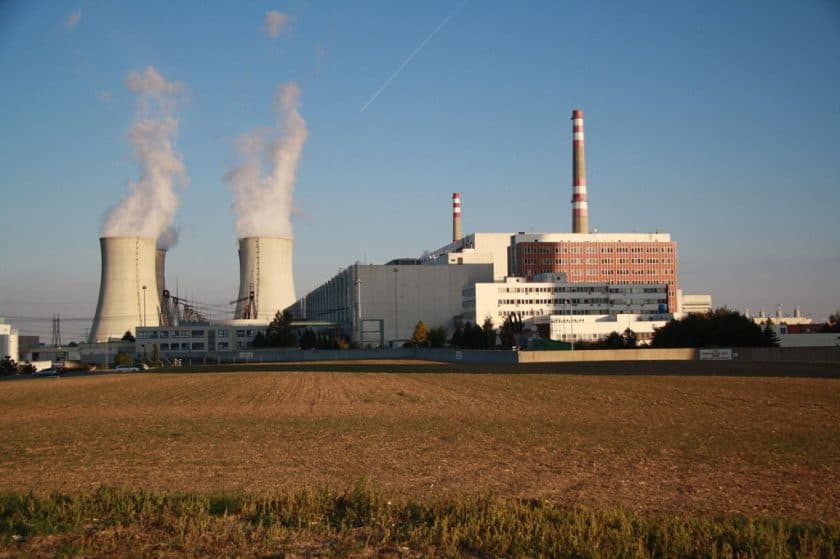
At the end of June this year, in the presence of the Czech prime minister and the mayor of Brno, ČEZ and Teplárny Brno signed a memorandum on cooperation in preparing a hot-water pipeline from the Dukovany nuclear power plant to Brno. According to its supporters, the pipeline is to ensure environmentally friendly heat supplies, contribute to the energy self-sufficiency of the Moravian metropolis and secure its independence from Russian gas.
Under this plan, a pipeline with a total length of more than 60 km would be laid. It is to include a 42 km feeder line from Dukovany to a transfer station in Bosonohy. From there, the heat would continue to individual city districts.
The project follows an original plan from the 1980s, which has been revived several times over the years, most recently in 2010. This time, the main motivation is to eliminate dependence on expensive natural gas, which accounts for around 80 % of district heating for approximately 100,000 Brno households.
The new hot-water pipeline is expected to cover approximately 50 % of heat consumption in future, with the remainder to be supplied mainly by the local waste-to-energy plant and a newly built woodchip boiler.
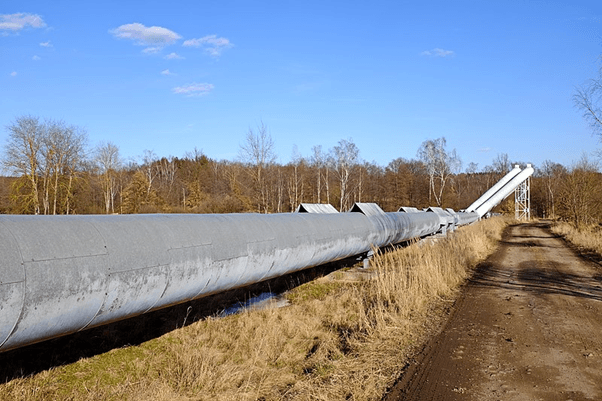
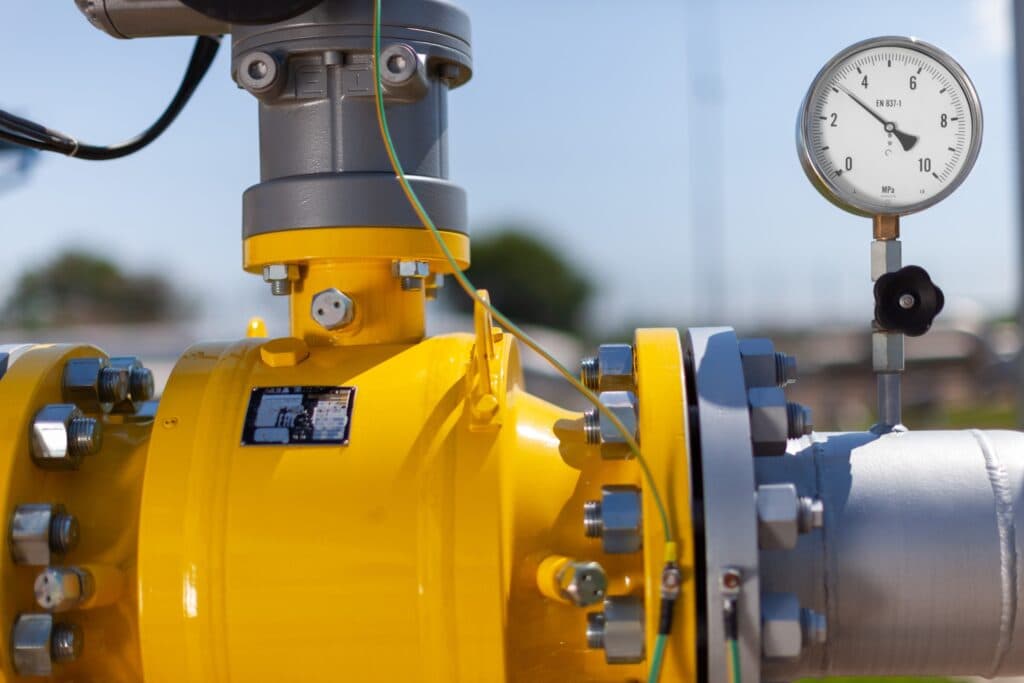
Illustrative image of an above-ground heat pipeline. A hot-water pipeline differs from a heat pipeline in the higher temperature of the water transported – in the case of a hot-water pipeline, it is above 110°C / Source: Wikimedia
The government intends to support the construction of the hot-water pipeline by amending the so-called linear infrastructure act, which, among other things, facilitates the expropriation of affected land. The planned route of the pipeline crosses more than 2,500 plots, some of which have multiple owners. This is also why its implementation is expected to take 10 years. The ČEZ chief executive estimates the related costs at high single-digit billions of crowns.
The question of environmental impact and (in)dependence on Russia
It is paradoxical that independence from Russian gas is to be ensured precisely through the use of heat from Dukovany. The only supplier currently producing fuel assemblies for the Dukovany reactors is the Russian company TVEL. Given the current situation, a search for a possible replacement is of course under way. Slovakia, Hungary, Finland and Bulgaria are facing the same problem.
However, this process is far from straightforward. One potential supplier, for example, is US company Westinghouse, which has previously dealt with supplies for Finland's Loviisa nuclear power plant. Czech experience in recent years also shows that any replacement may not be entirely problem-free, at least initially. Until a reliable alternative is secured, electricity or heat generation cannot do without Russian fuel.
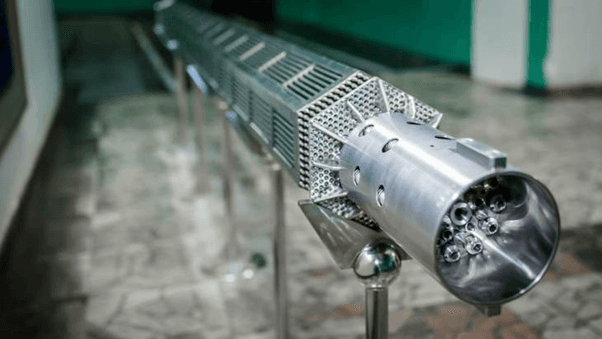
Fuel assembly intended for VVER-440 reactors / Source: Rosatom
ČEZ representatives also point out that the heat to flow to Brno through the hot-water pipeline is not waste heat. It would be generated using steam extracted from turbines that drive electricity generators. Heat generation would therefore also mean a reduction in electricity output at Dukovany.
Physicist Jan Hollan of the Global Change Research Institute of the Czech Academy of Sciences has previously described how the pipeline would ultimately not reduce emissions. Moreover, if the missing electricity were replaced, for example, by increased generation at coal-fired power plants, the overall emissions balance would actually increase.
Another significant factor is the transport of heat itself, or rather heated water, from Dukovany to Brno, which would require additional energy supplies and the associated emissions. Several pumping stations would have to be built along the pipeline route to maintain the required flow rate of thousands of litres per second. Even then, it would take the heated water approximately five to six hours to cover the necessary distance. Heat obtained from Dukovany would certainly not come for free.
Energy savings may be an alternative...
Just as there is a waste management hierarchy defining preferred approaches to efficient waste management, the energy sector should follow a similar sequence.
Such a sequence should begin above all with energy savings and continue with the use of local secondary sources, especially available waste heat, followed by the integration of local renewable energy sources. Only the share of consumption that could not be covered in these ways should be met through imports from elsewhere.
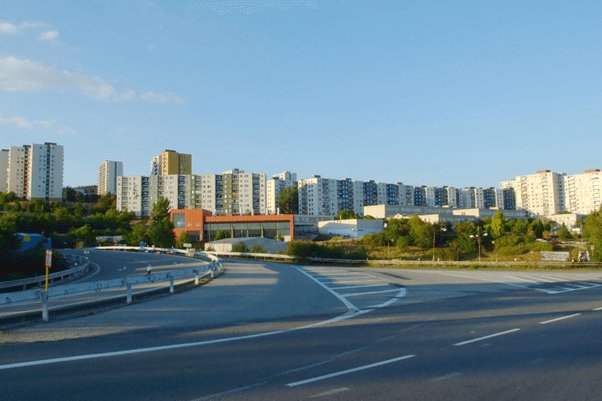
View of refurbished prefabricated apartment blocks in the Brno-Nový Lískovec district / Source: Wikimedia
There is no need to look far for an example of good practice in energy savings. A comprehensive refurbishment of the local prefabricated apartment blocks was carried out in the Brno-Nový Lískovec district in the past. The first buildings were renovated around two years after the establishment of a working group led by later mayor Jana Drápalová, who also wrote a separate book on the subject. The savings achieved in this case reached up to 2/3 of heat consumption for heating.
Unfortunately, renovation to such a high standard is still not common practice, either in the rest of the city or the country. This means there remains potential for further reductions in consumption. The current Brno Territorial Energy Strategy from 2018 estimates the technical potential in the residential sector at just under 900,000 GJ, which, for comparison, is more than 40 % of the heat that is expected to be supplied from Dukovany in future (this calculation also includes buildings not connected to the district heating system).
Teplárny Brno itself could contribute to reducing the energy intensity of heated buildings under the "heat as a service" business model.
…supplemented by local energy sources
A possible path towards future energy independence is demonstrated, for example, by the construction of an energy-self-sufficient family house in Brno-Komín, the Open Garden centre, one of the first office buildings in the Czech Republic built to the passive-house standard, and the comprehensive refurbishment of the Svatopetrská complex in Brno-Komárov. To cover its own consumption, it uses a photovoltaic power plant installed on the building's façade and roof. Output from this plant is used, among other things, to power heat pumps connected to a system of deep boreholes.
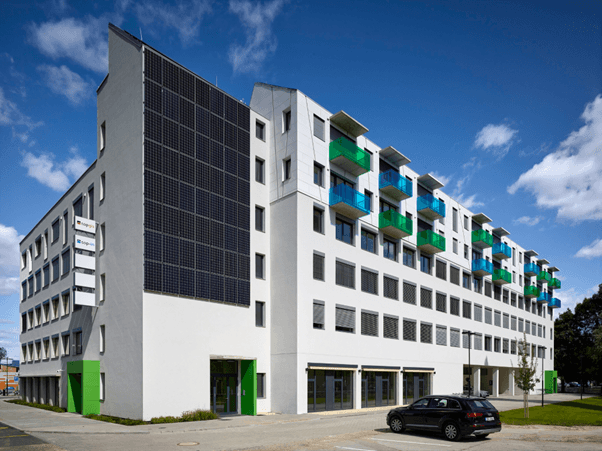
View of part of the Svatopetrská complex in Brno-Komárov / Source: Svatopetrska.cz
Heat pumps can, however, be used on a much larger scale. Inspiration can be found in nearby Vienna, for example. There, the first phase of a project using waste heat from the local wastewater treatment plant is due to be launched in the middle of next year. Once completed in 2027, the heat pump system is to supply heat to more than 100,000 Vienna households. This number roughly corresponds to Brno's entire district heating system. The project is expected to cost EUR 70 million, which, when converted, is many times less than the expected cost of the pipeline from Dukovany.
In the Czech Republic, Prague's Climate Plan envisages using heat from wastewater. An energy centre located at the Central Wastewater Treatment Plant on Císařský Island could provide up to 200 MW of thermal capacity, enough for approximately 200,000 households. Investment in this case is expected to reach around CZK 5 billion. Other European capitals, including Oslo, Helsinki, Zurich and Stockholm, have used a similar heating method for many years.
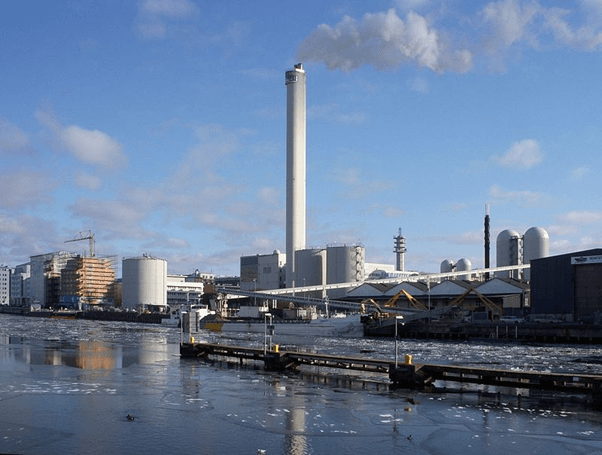
Hammarbyverket heating plant in Stockholm, which uses, among other sources, a system of seven heat pumps with a total thermal capacity of 225 MW / Source: Wikipedia
In the last of the cities mentioned, the Open District Heating business model has also proven successful. It allows waste heat producers to sell it into the district heating system. Such producers may include industrial companies, as well as shopping centres, or rather the refrigeration technologies operated there, and data and computing centres.
Brno company Faster is also seeking to use waste heat from computing processes efficiently, using it to heat its own headquarters in Brno-Maloměřice. The original plan to also supply surplus heat to a neighbouring complex was ultimately abandoned, mainly because of the legislative and administrative complexity of implementing such a project in the Czech environment.
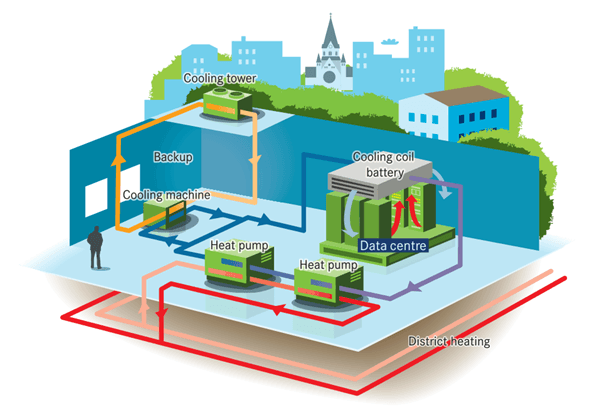
Simplified diagram of waste heat supplies originating from the cooling of computing processes to the district heating system / Source: opendistrictheating.com
Heat pumps, which are necessary for waste heat extraction in most cases, naturally require electricity for their own operation. In this case, however, there is an opportunity for synergy with planned community energy projects. Under one of these projects, a municipal solar power plant is to be built on the roofs of Brno buildings over the next five years. Some 650 roofs are to be fitted in this way. The peak capacity of the CZK 1.5 billion plant is expected to reach 40 MW. For part of the year, similar plants can provide the electricity needed to operate heat pumps, as is the case with many household installations.
Electricity consumption at times when the sun is not shining, especially at night or in winter, could in future be covered by local electricity generation from hydrogen. Its production from seasonal photovoltaic surpluses is envisaged under another project. Hydrogen produced in this way can subsequently be burned in one of the converted municipal heating plants equipped with a gas turbine. A similar conversion of an existing facility is again planned in Vienna.
Heat not only from Dukovany
The only city in the Czech Republic currently heated by heat from a nuclear source is Týn nad Vltavou. The source in this case is the Temelín nuclear power plant, located approximately 6 kilometres from Týn as the crow flies. A total of 2,100 flats, 470 family houses and several industrial companies are connected to heat from Temelín.
České Budějovice was originally also to be supplied with Temelín heat from 2020, but the company building the hot-water pipeline only managed to complete 15 kilometres of the planned 26 before becoming insolvent. The project has therefore incurred a delay of at least three years. While its original budget was CZK 1.5 billion, completing the remaining 11 kilometres was tendered this year for just under CZK 1.7 billion.
Even if the pipeline from Temelín or Dukovany is successfully completed, problems may not be over. Although the annual capacity factor of Czech nuclear power plants has been very high for a long time, this year's experience in France shows that even this energy source cannot be relied on 100 %. In practice, it is therefore desirable to have a backup ready for possible heat supply disruptions.
In any case, Brno city officials should carefully consider all available options to ensure that the pipeline from Dukovany is truly the best possible solution, and that a similar effect cannot be achieved with less risk, over a shorter timeframe and at lower cost.
Translation disclaimer
This article is a machine translation of the Czech original and has not yet been fully reviewed. In case of any doubt, please refer to the Czech version.
Sdílejte článek prostřednictvím:
You might also like
23 October 2026, 11:01
23 October 2026, 06:34