Will e-fuels really save us in Czechia?
The pre-Christmas period can occasionally bring pleasant surprises. The European Commission is slowly beginning to reconsider its stance on the ban on internal combustion engines, writes MEP Zdechovský.
The article is full of words such as diktat and ban on combustion-engine cars, while the author calls a Commission member an “ultra-green fanatic”. Yet both this article and his other statements on electric mobility lack any broader context. So let us briefly explain why this issue is being discussed at all and whether a potential revision of directives for the automotive sector is really so fundamental.
First of all, it is necessary to realise that neither Europe nor Czechia has oil reserves. Oil therefore has to be imported, often from regions to which we would rather not be sending money. Czechia imports around 7 million tonnes of oil a year, equivalent to about 70 TWh of energy and nearly CZK 100 billion. Just for comparison: before the TAL pipeline across the Alps was brought into operation, over the three years of the war in Ukraine we sent Russia alone around CZK 150 billion for oil, roughly ten times our aid to the country under attack.
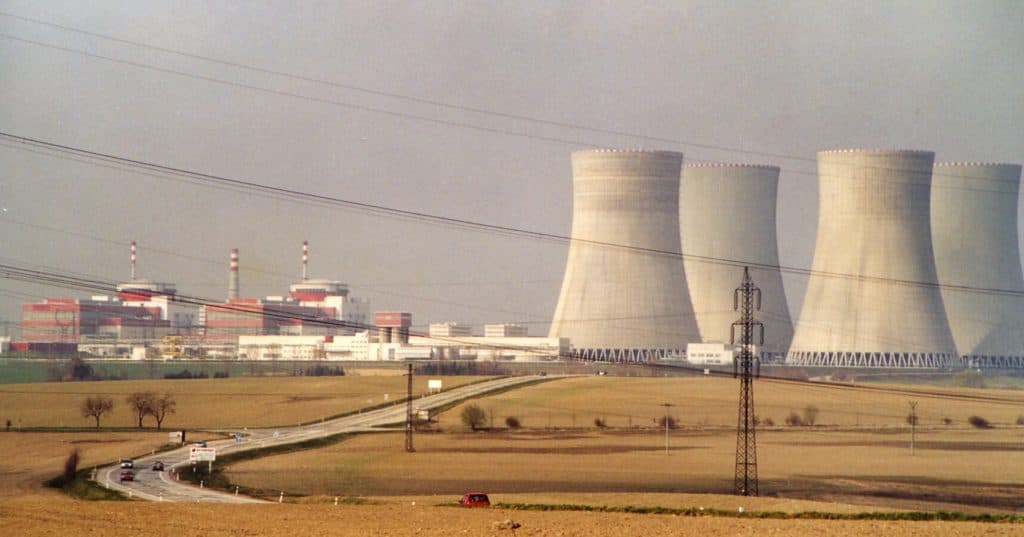
But let us return to transport. Total electricity consumption in 2024 was around 60 TWh. Consumption of petroleum fuels in transport therefore exceeds final electricity consumption, and it is a huge figure – equivalent to the output of 9 new Dukovany nuclear power plant units. Unfortunately, internal combustion engines achieve efficiency of only around 30%, so vehicles turn two-thirds of this amount into waste heat. In other words, every year we turn the output of 6 new Dukovany units into heat.
Another important aspect is local emissions. Burning liquid fuels in vehicles releases a wide range of pollutants into the atmosphere, including particulate matter (PM2.5, PM10), nitrogen oxides (NOx), carbon monoxide (CO), volatile organic compounds (VOCs), ozone (O3) and others. The negative health impacts include respiratory problems, cardiovascular disease, cancer, premature deaths, neurodegenerative diseases (Alzheimer’s and Parkinson’s disease), and impacts on child development.
Measuring these externalities is complicated, but economists and scientists are trying to quantify their costs (for example, the costs of treating illnesses, lost productivity and reduced quality of life). These “hidden” costs are enormous and often exceed the direct costs of operating transport.
Last but not least, there are the much-discussed carbon dioxide emissions. While carbon dioxide is harmless to human health, it demonstrably intensifies the greenhouse effect and thereby reinforces climate change.
These are the three main reasons why this issue is being raised at all. It must be stressed that these are global issues being addressed more or less all over the world. The motivation is therefore not “green fanaticism”, but governments’ pragmatic efforts to achieve energy independence and clean air, combined with the goal of reducing CO2 emissions.
Countries choose different solutions
Countries address this issue in different ways, but generally combine the following solutions:
- Support for sustainable transport: Investment in public transport (trains, trams, buses), and support for cycling and walking.
- Stricter emissions standards: Introducing and gradually tightening emissions standards to reduce local emissions.
- Electric mobility and cleaner technologies: Transitioning to vehicles with low energy consumption and emissions.
I will not elaborate further here on support for public transport systems. Local emissions are addressed through EURO standards. From the perspective of the debate on alternative fuels, I would focus on point 3. This issue is addressed through so-called fleet emissions, which define how much CO2 a manufacturer’s fleet may emit on average. Carmakers have a whole range of options for achieving low fleet emissions. They can optimise vehicles in terms of size, weight and aerodynamics in order to minimise driving resistance and thus reduce consumption. This will subsequently result in low emissions. They can use efficient engines with higher efficiency. Hybrid powertrains with an electric motor and a small battery are effectively used to harness kinetic energy during braking.
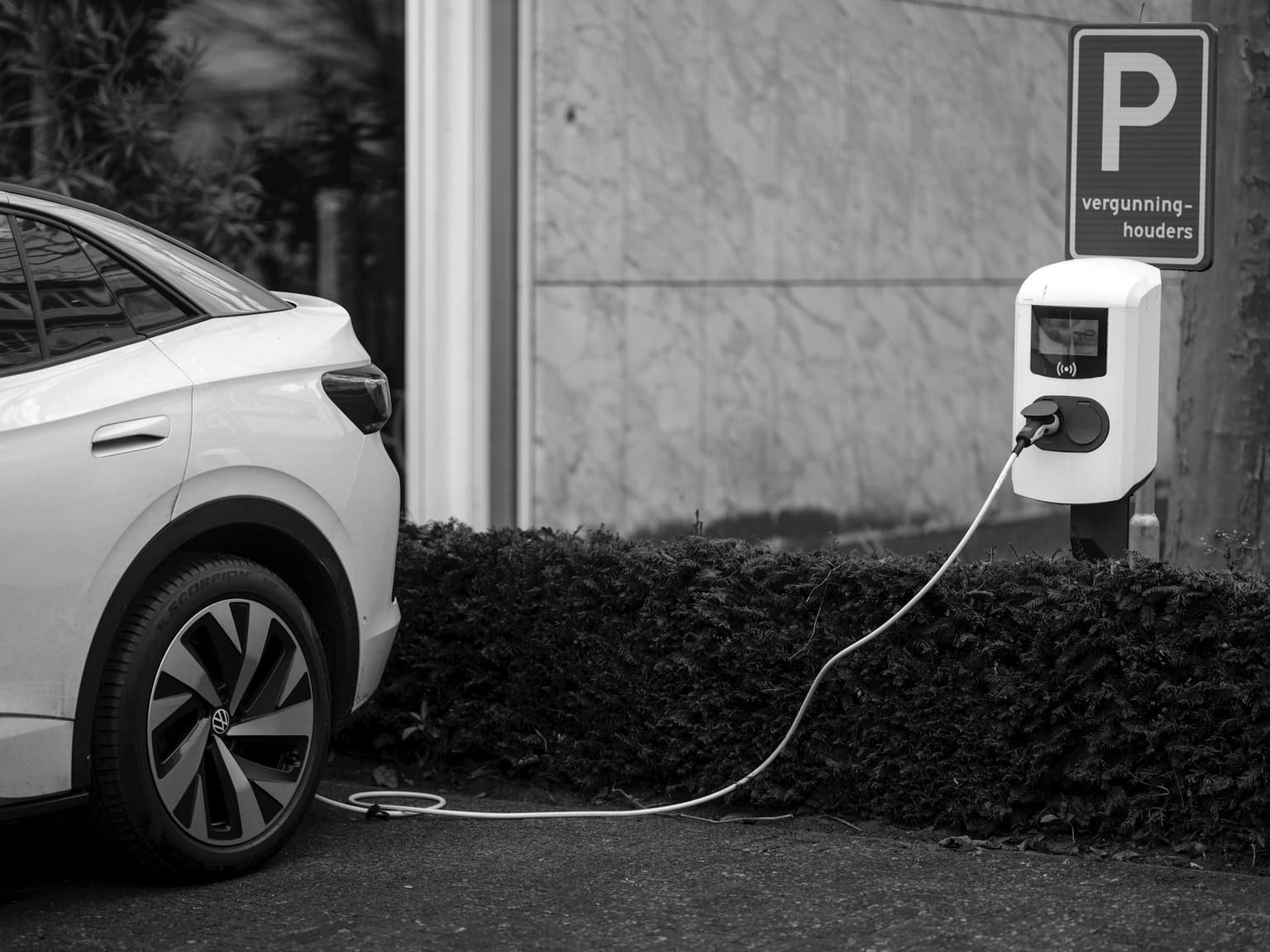
The most efficient solution, however, remains the use of plug-in cars, meaning plug-in hybrids or battery-electric vehicles, which have many times lower energy consumption. For the purposes of calculating fleet emissions, they are, for simplicity, counted as having a zero emissions footprint. A manufacturer can therefore make some of its vehicles electric and thereby reduce the emissions footprint of its entire fleet. This approach is technology-neutral and gives manufacturers a free hand in the specific technical solution. For example, Japanese carmakers make extensive use of efficient hybrid vehicles and thus achieve low fleet-emissions values even with a low share of electric cars. Another option is to reduce the carbon footprint of the fuel itself, which Tomáš Zdechovský mentions as an amazing technological advance and a way to maintain a technological lead. Let us therefore look at the options available in this area.
Biofuels
In Czechia, biofuels are produced primarily from rapeseed and account for roughly 5 % of transport consumption. From an energy perspective, however, this is a highly inefficient process. Rapeseed has to be grown and treated, then the seeds must be processed to produce oil, which is then converted into biofuel. Even if we ignore losses in both cultivation and production, the oil and the resulting biofuel will contain around 10 kWh of energy per litre. This litre of fuel must then be burned in an engine that is not very efficient – with the result that one hectare of rapeseed produces around 5 MWh of energy per year, which we then use to turn the wheels of our cars.
Whereas if we put solar PV panels on the same hectare of land, we would obtain around 520 MWh of electricity a year under Czech conditions. That is 100× more.
I am certainly not proposing covering fertile land with panels; this merely shows how desperately inefficient growing rapeseed for energy is as a means of converting sunlight into propulsion energy. Moreover, it is a highly controversial way of obtaining fuel, with food being burned on one hand while people in other countries have nothing to eat.

E-fuels
In connection with changes to vehicle rules, the issue of so-called e-fuels has once again come to the fore. They are produced as follows. First, surplus electricity is used to produce hydrogen, which is then synthesised into crude oil, and further refining produces the specific product used to power vehicles. The result is a finished e-fuel with chemical properties identical to fossil fuels, which can be used in existing engines and infrastructure.
From an energy perspective, it looks as follows. A litre of diesel contains around 10 kWh of energy. Producing it requires around 20 kWh of primary electricity once all efficiencies are taken into account.
With consumption of around 6 l/100 km, a vehicle needs around 120 kWh of energy to cover this distance. An equivalent electric vehicle, however, consumes only 15-20 kWh to travel the same distance. In this case, an electric vehicle is 6-8× more efficient than an internal combustion car running on e-fuel.
The difference in operating economics is even more fundamental. For some time now, I have been buying electricity for my household at spot prices, using the stationary battery of my photovoltaic power plant to charge during periods of low prices. I am therefore using cheaper surpluses in the grid on the same principle planned for hydrogen production. Particularly in summer, periods of zero or negative prices do occur, but over the whole year they are averaged out with the normal electricity price. On an annual average, it is theoretically possible to reach a price for the energy component of somewhere between CZK 1.5-2 per kWh. But that means CZK 30-40 just for the input material. To this must be added the cost of electricity distribution and a high-capacity grid connection, the relatively complex production equipment itself, fuel logistics, retailers’ margins and VAT. The final consumer price will therefore be many times higher than for fossil fuels. If we take the most efficient engines on the market, with consumption of around 4 l/100 km and a fuel price of CZK 80/l, we arrive at CZK 4/km of driving. I personally drive an electric vehicle on “fuel” costing around 50 haléř per km, which is 8× less. Even if I relied solely on public chargers, a kilometre of driving would cost around CZK 1.4, which is still 3× less than in the case of e-fuel. In addition to the price itself, e-fuel vehicles do nothing to address local emissions.
Of course, the growing share of renewables in electricity generation and the related surpluses will make it possible to reduce the price somewhat in the future. But given the many times higher overall energy intensity of operation, it is unlikely that internal combustion cars running on e-fuels could compete in any way with electric vehicles, whose purchase price is gradually reaching parity with combustion-engine alternatives. At the same time, given rapid developments in batteries, further increases in vehicle range and charging speed can be expected.
We are simply living through a period in which battery and electric-motor technology is developing as rapidly as computers did 20-30 years ago. Unless you belong to the very youngest generation, you will remember floppy disks for storing data, which had a capacity of 1.44 MB. Today, that would not even be enough for a single photograph taken on your mobile phone and added to storage alongside thousands of other holiday photos.
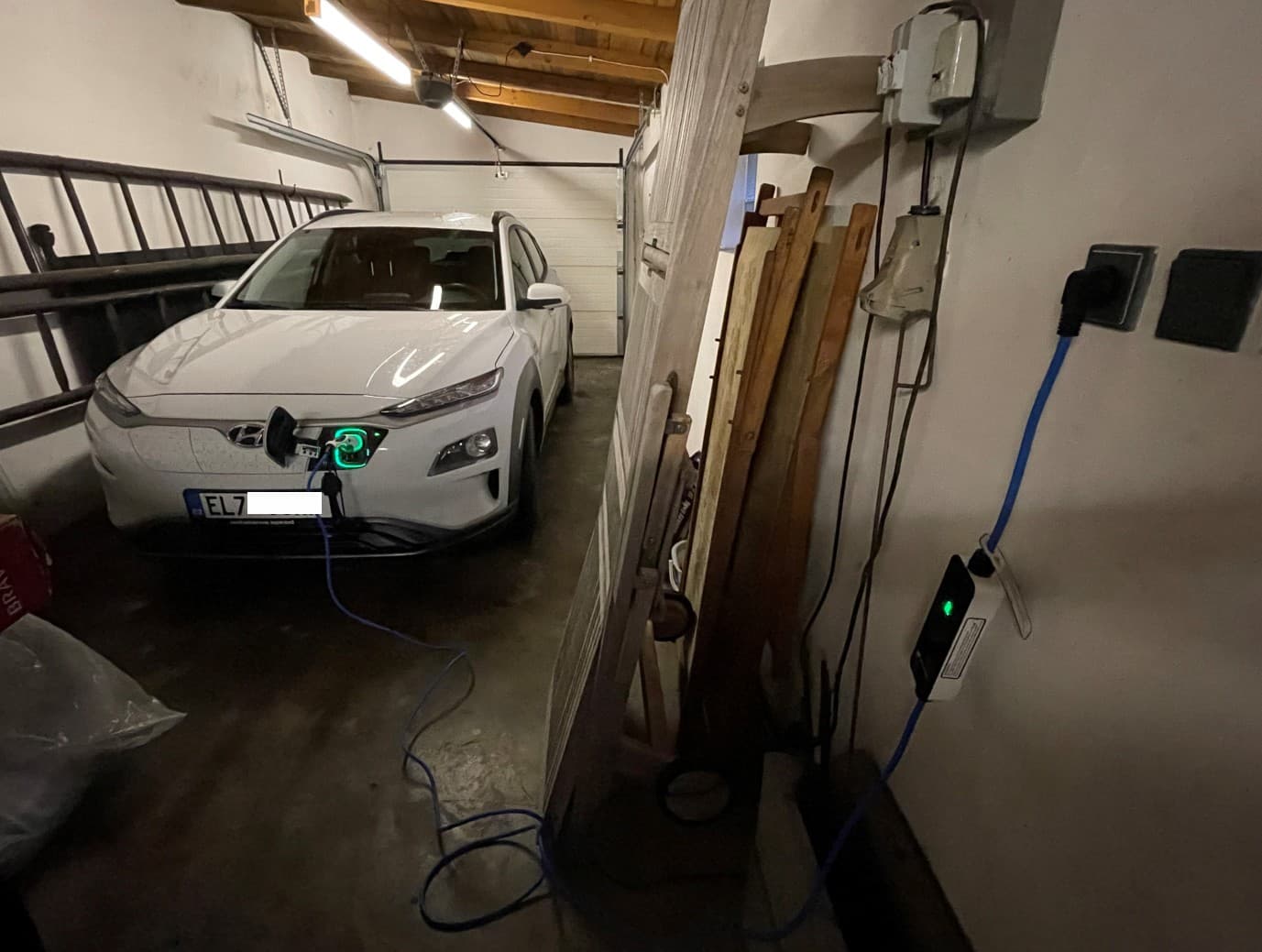
Electric drive and energy-storage technology is competitive and offers both comfort and performance.
Competitiveness
The article also makes the following statement about the competitiveness of the automotive industry.
“He also spoke about the need not to jeopardise our competitiveness, while helping European industry maintain its technological lead. Such words seem truly groundbreaking. It appears that common sense is gradually beginning to prevail over green ideology.”
E-fuels certainly have a role in applications where there is no other option for technical reasons – long-haul aircraft, large agricultural machinery, emergency-service vehicles and so on. From the perspective of technological neutrality, there is no problem with changing the rules. However, rough estimates of biofuel prices and the high energy intensity of their production clearly show that operating an ordinary car on alternative fuel is and will remain costly, and therefore uncompetitive. This is not “green ideology” at all, but simply an understanding of the laws of physics.
History even offers a useful analogy. At the end of the Second World War, two steam locomotives in Switzerland were experimentally converted to electric power due to coal shortages, with steam in the boiler generated using electric heating elements.
Although it was an interesting experiment that may have had a certain logic at the time, it had no chance whatsoever of succeeding because of its many times higher energy consumption compared with conventional electric locomotives. If anyone claims that deploying e-fuels offers some major competitive advantage over electric vehicles, it rather demonstrates a failure to understand the elementary fundamentals of vehicle engineering. They are putting themselves in the position of someone who would like to “protect” steam locomotive production from electric locomotives by installing these “immersion heaters”.
As stated above, it is of course entirely right to set the rules in a technology-neutral manner. But in my view, betting on e-fuels will be only a cosmetic change, at least for passenger cars, and this type of vehicle propulsion certainly cannot be regarded as any major competitive advantage.
Translation disclaimer
This article is a machine translation of the Czech original and has not yet been fully reviewed. In case of any doubt, please refer to the Czech version.