
23 October 2026, 14:38
Loading...
Energy supplies in Spain are almost fully restored, problems persist on railways

oEnergetice.cz, ČTK
29 April 2025, 17:27
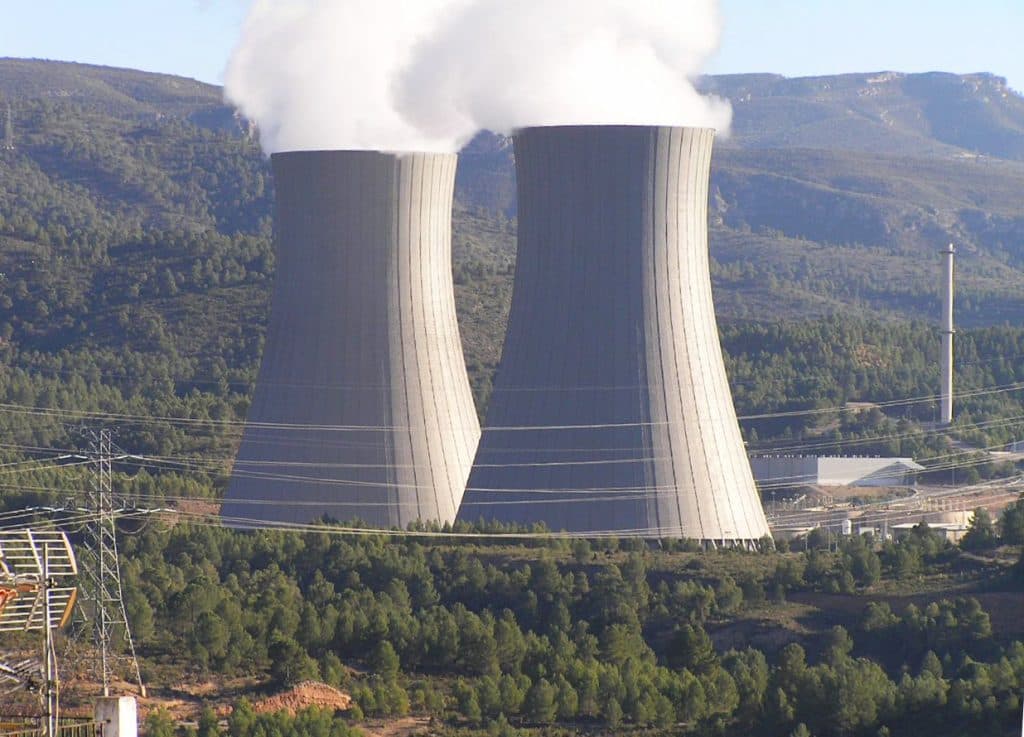
Electricity supplies in Spain and Portugal, which were hit by a nationwide blackout on Monday, have been almost completely restored. Mobile networks are also operating at around 90 percent capacity, but problems persist on the railways, local media report. Spanish police said this morning that the night had passed normally from a public safety perspective and that no public order incidents had been recorded anywhere in the country.
Spanish energy company Red Eléctrica said it had ruled out a cyberattack as the cause of the blackout based on its preliminary investigation. „This morning we concluded that there had been no intrusion into the electricity grid’s control systems,“ said the company, which is responsible for the country’s electricity infrastructure. It added, however, that „these are not definitive conclusions“ and that the causes are still being investigated. The system was stable and secure before the outage, Red Eléctrica said.
The unprecedented blackout hit the Iberian Peninsula on Monday at around 12:30 local time (12:30 CEST). The situation began to improve in some areas at around 17:00, and at around 23:00 Spanish Prime Minister Pedro Sánchez said that almost 50 percent of electricity supplies had been restored. This morning, Red Eléctrica said that supply had returned to 99.95 percent of normal levels by 07:00.
However, rail transport problems persist in many parts of Spain. Renfe said this morning that services from Madrid to several cities in the north, west and southwest of the country were still restricted. Services on routes from the capital to Barcelona, Valencia, Seville and Málaga are gradually resuming. In Galicia, in northern Spain, for example, Renfe trains are not running at all. High-speed trains between Barcelona and Madrid are operating but are delayed, the EFE news agency reported an hour before noon.
The Madrid Metro began operating at 08:00, with the exception of one line. At 10:42, it was announced that this line was also running. The newspaper El País reported today that Monday’s outage halted 44 Madrid Metro trains in tunnels, from which 150.000 people had to be evacuated.
Barcelona’s metro, which operated on a limited basis throughout the night due to the exceptional situation, had all lines running normally by early morning. However, commuter trains to Barcelona came to a complete halt at around 06:30. Shortly before noon, local authorities announced that the first services had resumed, though they were still operating on a limited basis.
The power outage also caused problems with telecommunications. This morning, Vodafone said it had restored mobile services to 95 percent of its customers, while Telefónica had returned its services to 90 percent of normal. The situation is not the same in all regions: mobile services have been restored to only around half of normal levels in Galicia, for example, while they are operating at almost full capacity in Madrid and the Basque Country.
The blackout affected only mainland Spain; the Balearic and Canary Islands did not experience power outages on Monday. However, the Canary Islands government activated an emergency plan in the evening due to mobile network outages. Service was restored to 99 percent only this morning.
Portugal was also affected by the power outage, with supplies fully restored this morning. The Lisbon Metro also resumed almost normal service, and trains, airports and ports across the country returned to normal operations.
The Basque Country in northern Spain was able to recover from Monday’s outage more quickly thanks to electricity supplies from neighbouring France.
Alberto Núñ ez Feijóo, leader of Spain’s largest opposition party, today criticised Prime Minister Sánchez for not declaring a nationwide state of emergency immediately after Monday’s blackout. According to the head of the People’s Party (PP), Feijóo, it was wrong for the government to activate the emergency plan only in the autonomous regions that requested it.
Translation disclaimer
This article is a machine translation of the Czech original and has not yet been fully reviewed. In case of any doubt, please refer to the Czech version.
Sdílejte článek prostřednictvím:
You might also like


23 October 2026, 11:01


23 October 2026, 06:34