16 September 2026, 12:26
Loading...
Tusk: Polish government plans windfall tax on oil companies

oEnergetice.cz, ČTK
15 September 2026, 14:55
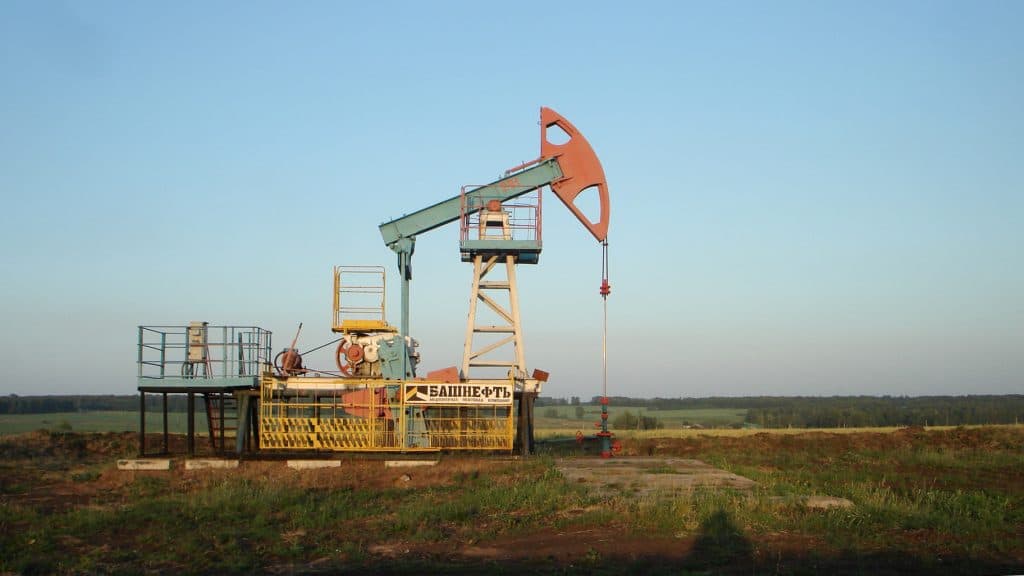
The Polish government plans to introduce an extraordinary tax on the windfall profits of oil companies. It wants to use the funds raised to reduce fuel prices, Polish Prime Minister Donald Tusk said today. A proposal to introduce the tax was previously blocked by Polish President Karol Nawrocki, an ally of the national-conservative opposition, Reuters reported.
"I guarantee that if the president finally signs the resubmitted windfall profits bill, we will immediately introduce new measures to reduce fuel prices," Tusk said ahead of today’s cabinet meeting.
President Nawrocki refused to sign the bill in July and asked the Constitutional Court to review it. Although the court has not yet issued a ruling, the government now intends to resubmit the proposal to parliament.
The extraordinary 60% tax would apply to the excess income of oil companies generated between March and December this year. The government estimates that it would raise four billion zlotys (more than CZK 22 billion).
"We will see what these funds will be enough for. However, I hope no one now doubts that this bill must be signed. Citizens should not pay for this fuel crisis. It is not the Polish people who are responsible for this fuel crisis," Tusk added.
The conflict in the Middle East, triggered in late February by US-Israeli attacks on Iran, led to a sharp rise in fuel prices worldwide. This brought high profits to oil companies, including Polish energy group Orlen.
Consumers, by contrast, have had to contend with high prices at filling stations. At the same time, costs are rising for the transport sector, leading to increased inflationary pressures.
In March, due to the conflict in the Middle East, the Polish government decided to cut both value-added tax (VAT) and excise duty on petrol and diesel. It also introduced maximum fuel prices. The measures were in force until the end of July and cost the Polish budget around 4.7 billion zlotys. The reduced VAT rate on fuels was also in force during the final two weeks of August.
Since April, the Czech government has set daily maximum prices for petrol and diesel at filling stations. It also capped fuel retailers’ margins and cut the excise duty on diesel. However, these measures expired on 20 July.
Translation disclaimer
This article is a machine translation of the Czech original and has not yet been fully reviewed. In case of any doubt, please refer to the Czech version.
Sdílejte článek prostřednictvím:
You might also like
16 September 2026, 06:50
15 September 2026, 14:55

15 September 2026, 10:02